Why Construction Sites Need Better Stormwater Control
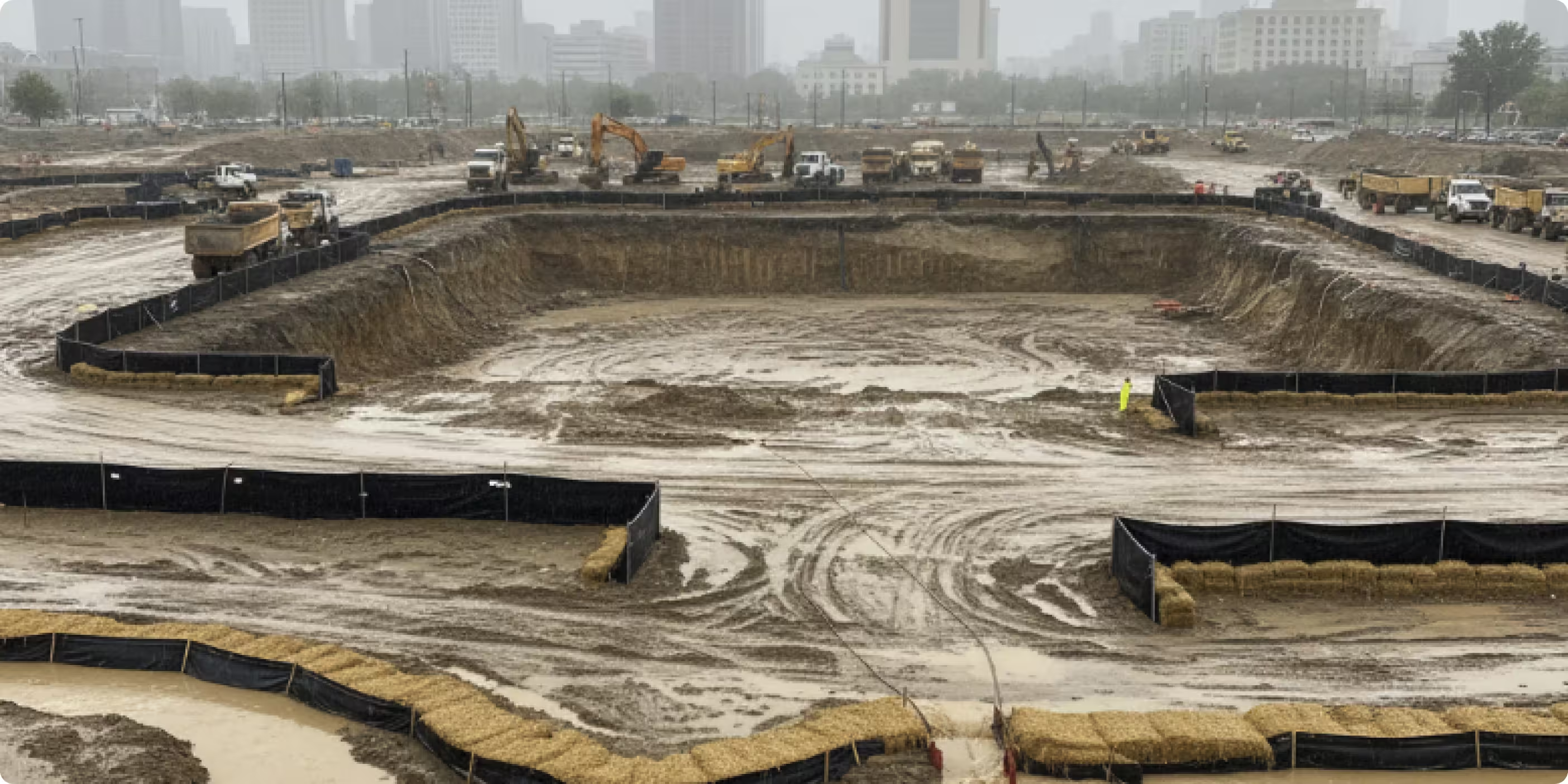
One November morning in Metro Vancouver, a superintendent called us with that tight edge in his voice every contractor recognizes. Overnight rain had turned his shored parkade excavation into a brown swimming pool, silty water pushing at lagging and creeping toward neighbouring properties. Crews were standing by, concrete was booked, and inspectors were already asking questions.
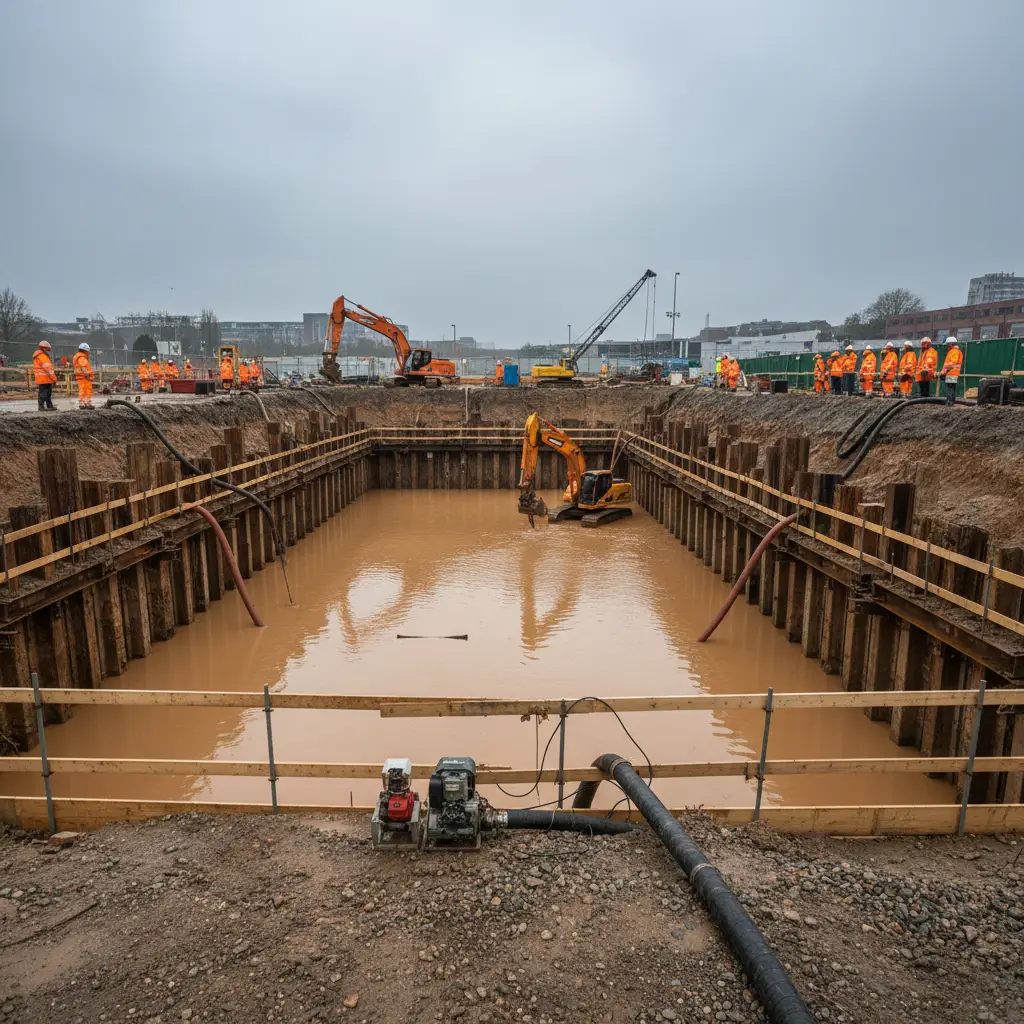
Heavy rain can quickly turn deep excavations into stormwater management problems if pumping and discharge limits are not planned together.
That site didn’t fail because of bad luck; it failed because surface controls, pumping, and discharge limits hadn’t been planned together as a single stormwater management approach.
If you build in Western Canada, you’ve likely felt this pressure firsthand. Storms hit harder, neighbours complain faster, and regulators carry turbidity meters. In this article we’ll look at what “good” looks like on a construction site, why better control saves money as well as headaches, and where a specialist dewatering company fits into the picture.
TL;DR: Better stormwater control keeps your job moving
- Poor control means flooding, erosion, contaminated discharge, angry neighbours, and possible stop‑work orders.
- Strong stormwater management solutions combine surface controls, a well-designed stormwater management system, treatment, and active dewatering.
- Bringing in an experienced dewatering company early often costs less than one bad storm plus emergency pumping service and rework.
Table of Contents
- The storm problem contractors see every season
- What good stormwater control looks like on a job site
- Key pieces of a stormwater management system
- Treating dirty stormwater, from silt to metals
- Compliance, liability, and what regulators expect
- Building a practical stormwater plan for your next project
- When to bring in a dewatering specialist
The storm problem contractors see every season
On paper, stormwater is just rain and snowmelt. On site, it is wall movement, soft subgrade, flooded shoring tiebacks, muddy neighbours’ driveways, and frantic calls to pumping crews.
Once you strip vegetation and expose soil, runoff can carry high loads of sediment, metals, and concrete washout into nearby ditches and storm mains. Agencies in British Columbia and across Canada publish water quality guidelines for turbidity and suspended sediment, including the Canadian Water Quality Guidelines, and inspectors now show up with handheld meters instead of clipboards alone.
Beyond the environmental piece, uncontrolled flows chew up your schedule:
- Over‑excavation and re‑compaction when subgrade turns to soup.
- Delays to formwork, reinforcing, and pours while pits are bailed out.
- Last‑minute rental pumps set up without proper bypass or backup.
- Redesigns when municipalities cap discharge rates from your site.
On a busy site, the only time people really notice stormwater control is the day it fails.
The good news: most of these headaches are predictable. Contractors who treat water like any other scope, planned, designed, and budgeted, tend to spend less over the life of the project. That’s exactly what we see across our construction dewatering projects in the Lower Mainland and Alberta.
What good stormwater control looks like on a job site
So what does “better” actually mean in day‑to‑day site terms?
A well‑run site treats water management as its own system, not a set of scattered fixes. The goal is simple:
- Keep work areas safe and workable.
- Protect neighbours, roads, and downstream creeks.
- Meet permit and discharge requirements all the way through.
Practically, that means combining:
- Grading and surface drainage that send water where you intend.
- Storage and an underground stormwater management system where space is tight.
- Pumping and dewatering to control groundwater and deep excavations.
- Treatment steps before discharge when sediments, pH, or metals are an issue.
When these pieces work together, inspectors see stable slopes, clear discharge samples, and a clear plan. Crews see less rework and fewer “all‑hands” mornings after storms.
Key pieces of a stormwater management system
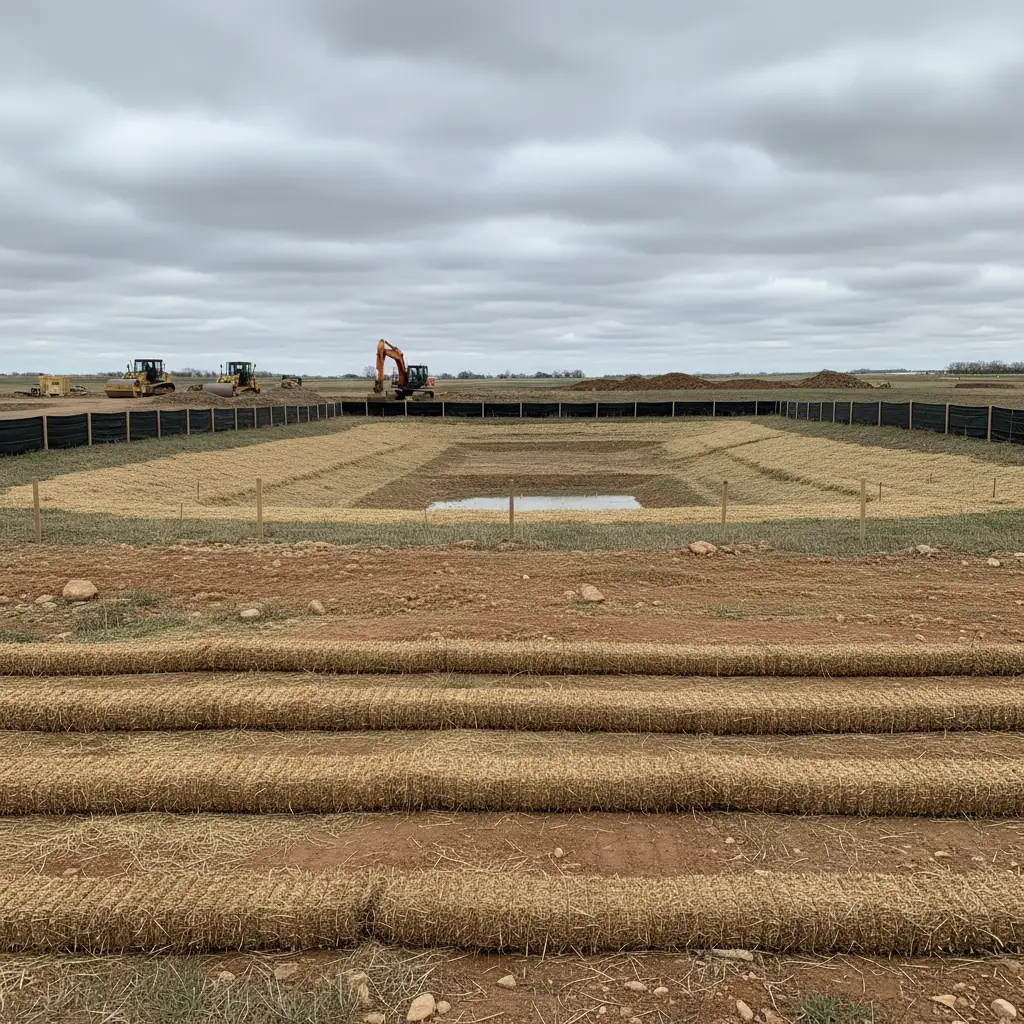
Simple surface controls like silt fence, wattles, and smart grading form the first layer of a stormwater management system on construction sites.
1. Surface controls and temporary drainage
Surface measures are the first line of defence. These stormwater management solutions keep clean water clean and dirty water contained:
- Temporary swales and berms that route clean runoff around the work area.
- Sediment controls (silt fence, sediment bags, wheel wash pads) at exits and low points.
- Catch‑basin protection where your site ties into the municipal system.
- Staged grading so water has defined paths instead of ponding beside structures.
Pairing these with a realistic phasing plan matters. For example, paving haul routes and setting up a wheel wash system early can keep sediment out of drains and reduce complaints from neighbours.
2. Underground stormwater management system options
Urban sites in places like Vancouver, Burnaby, or Coquitlam often have no spare surface area for ponds. That is where an underground stormwater management system comes in.
Common underground approaches include:
- Precast tanks or plastic modular crates buried under parking lots.
- Rock‑filled infiltration trenches or galleries that let water soak back into the ground.
- Oversized storm pipes that double as temporary storage during peak events.
These systems are usually designed by the civil engineer but must be coordinated with excavation and dewatering. If the tank or gallery sits in groundwater, it can float or draw in fines unless wellpoint systems or other dewatering methods are planned around it. Coordination between the civil designer, geotechnical engineer, and your dewatering company is what keeps the theory and the excavation aligned.
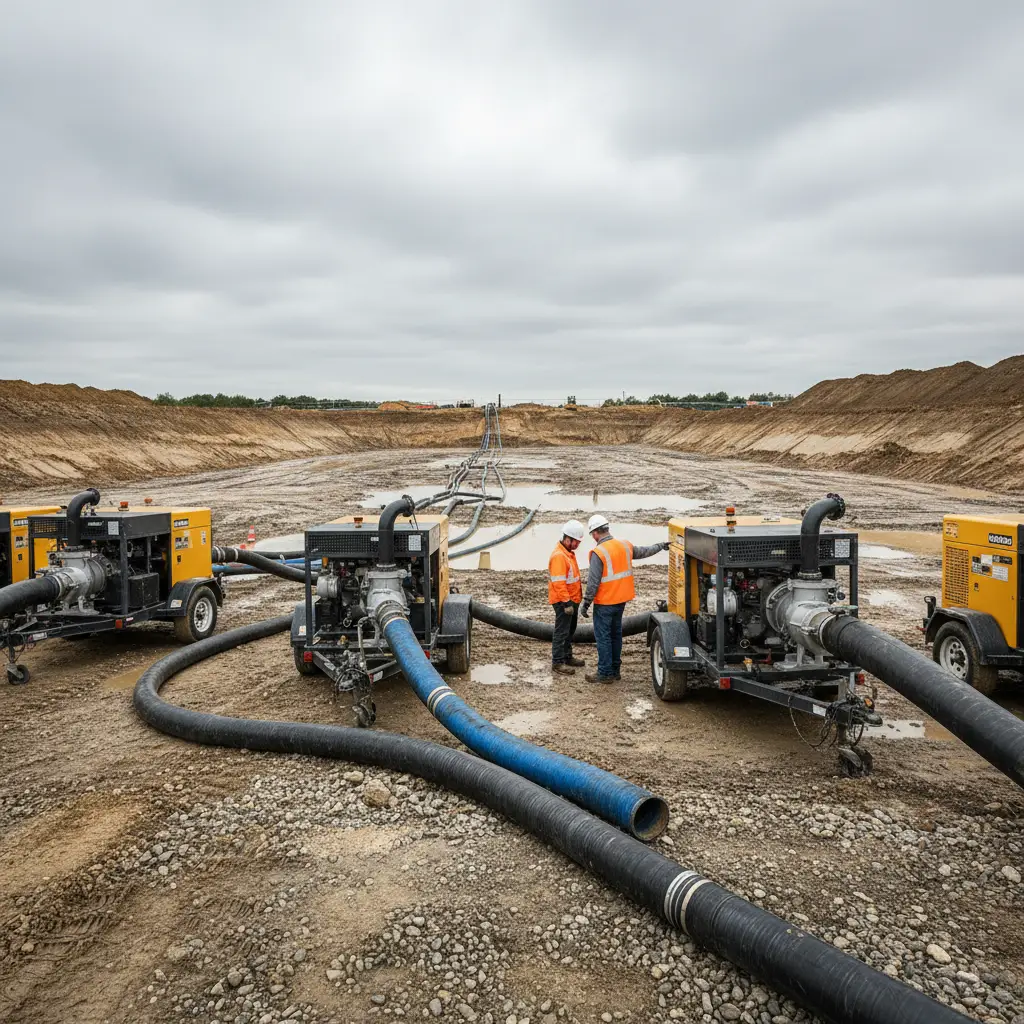
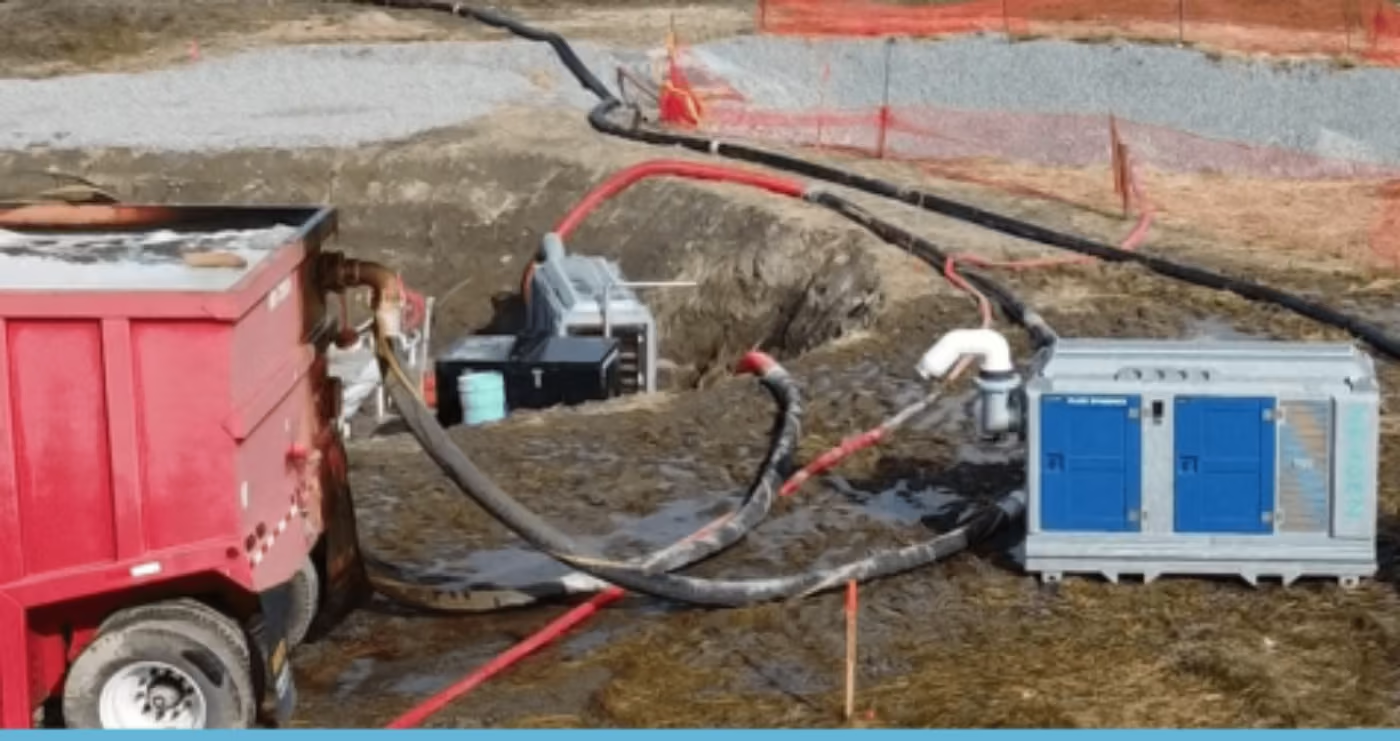
Active dewatering systems with trailer pumps and discharge hoses keep deep cuts workable and protect nearby structures during storms.
3. Active dewatering and pumping
Once you dig below the water table or into tricky soils, passive measures only go so far. Active dewatering, sumps, wellpoints, deep wells, and bypass pumping, keeps the excavation dry and structures stable.
Typical questions we ask when setting up active systems:
- How deep is the cut and how close are nearby buildings or utilities?
- Is the water clean, or do we expect metals, hydrocarbons, or high turbidity?
- Where can we discharge, and what limits apply?
From there, a specialist dewatering company can design a mix of wellpoint systems, sumps, and bypass lines to keep excavation levels under control while staying inside permit conditions.
The really painful bills tend to come from last‑minute scrambling. By the time you are searching for an emergency pumping service at midnight, you are already paying in overtime and lost schedule. Planning backup pumps, auto‑start generators, and high‑level alarms up front is cheaper than rebuilding forms after a storm.
Pump reliability matters as much as pump size. Clogged intakes and dead priming systems are a big reason sites flood. That is where Nexgen’s pump repair services and dewatering pump rentals come in, keeping the system you already paid for actually running through the season.
Treating dirty stormwater, from silt to metals
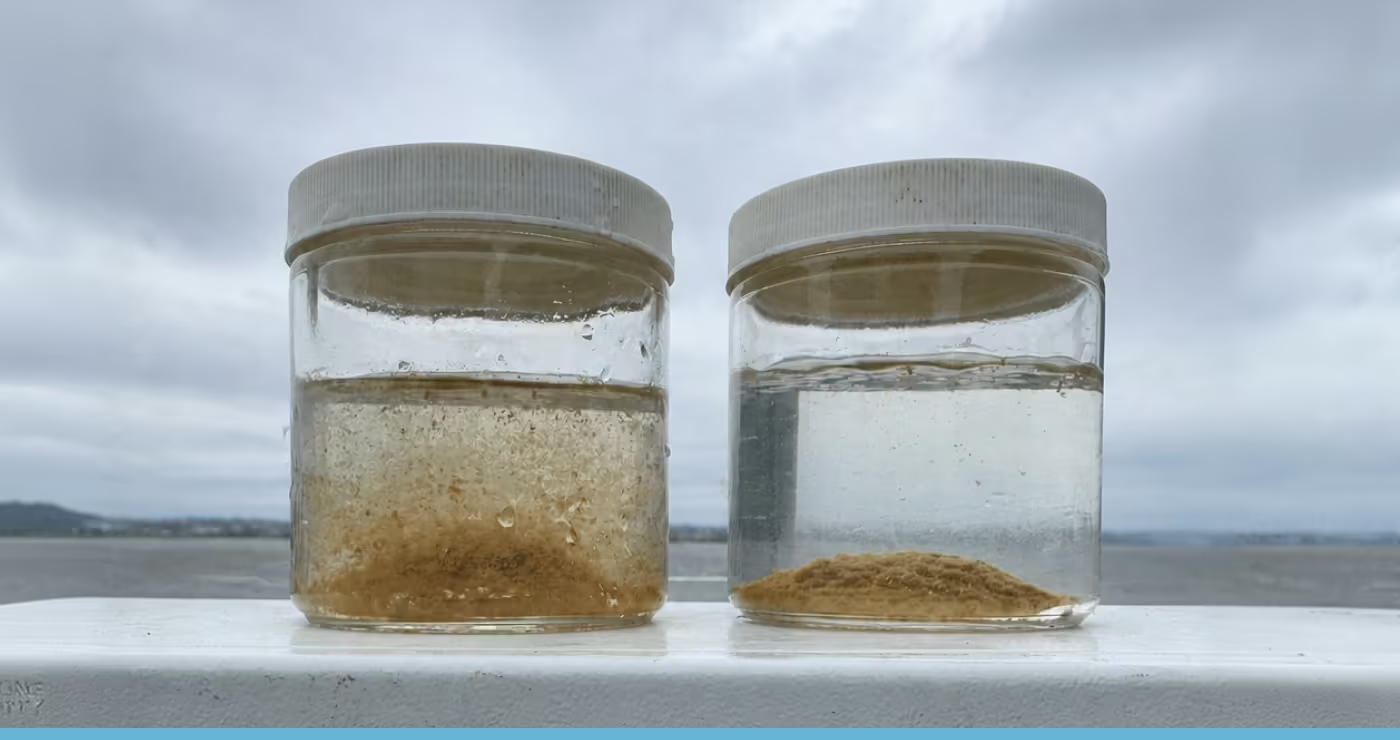
Many projects now face clear numeric limits on turbidity, pH, and sometimes metals at the discharge point. Meeting those limits usually means adding a treatment train between pumps and the outfall.
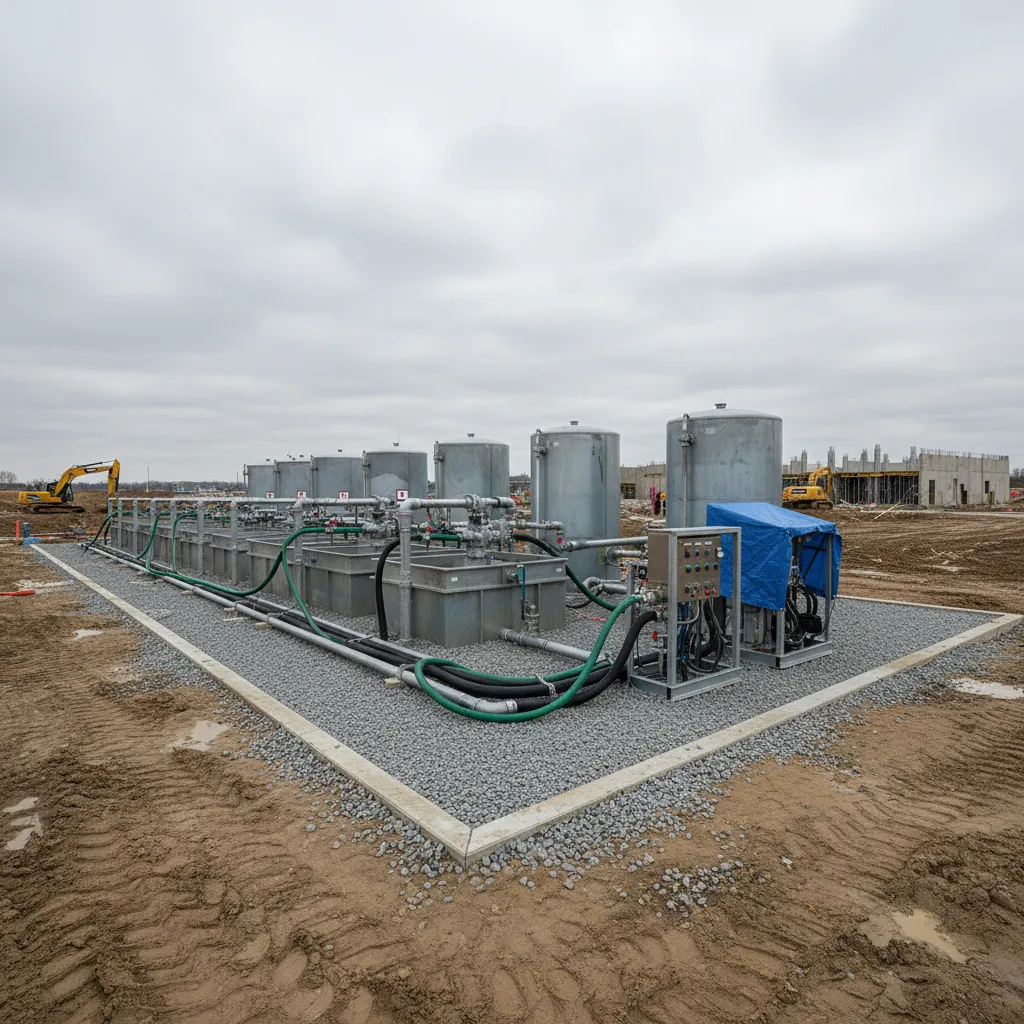
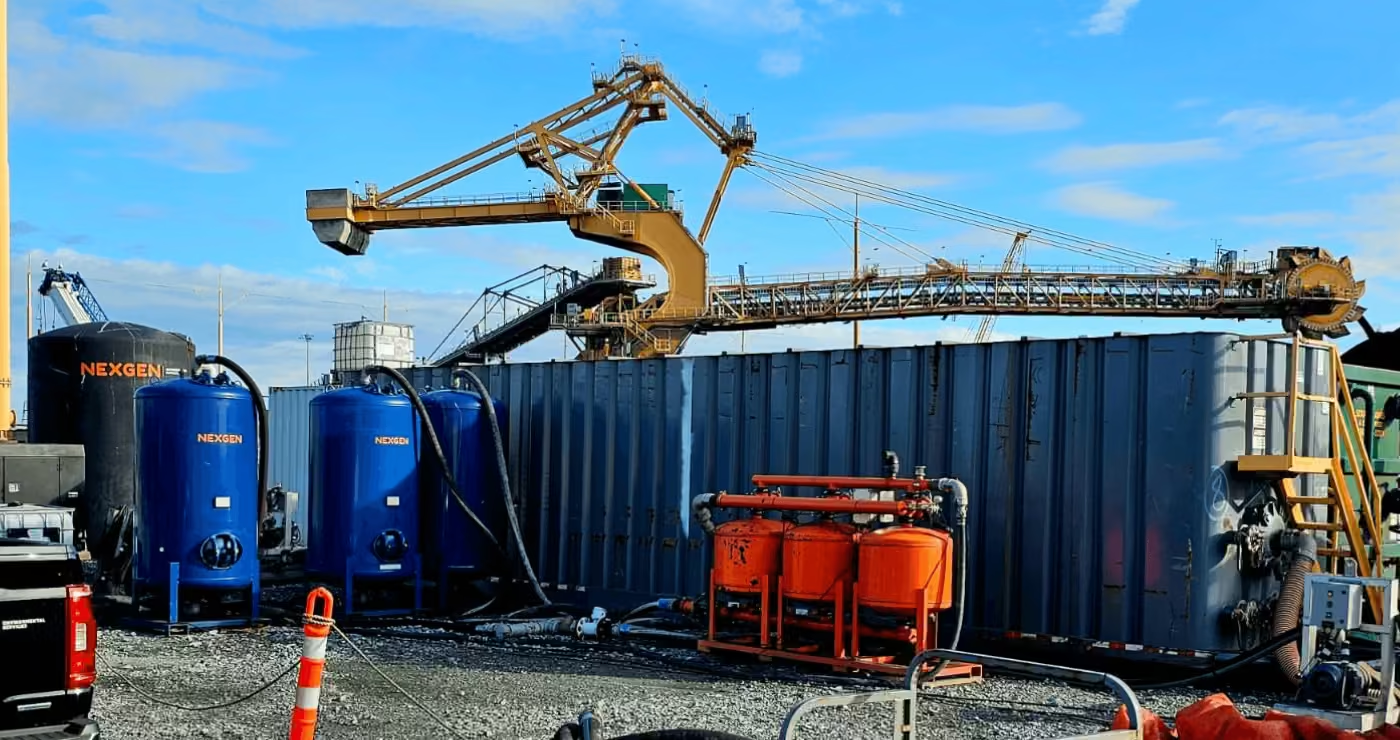
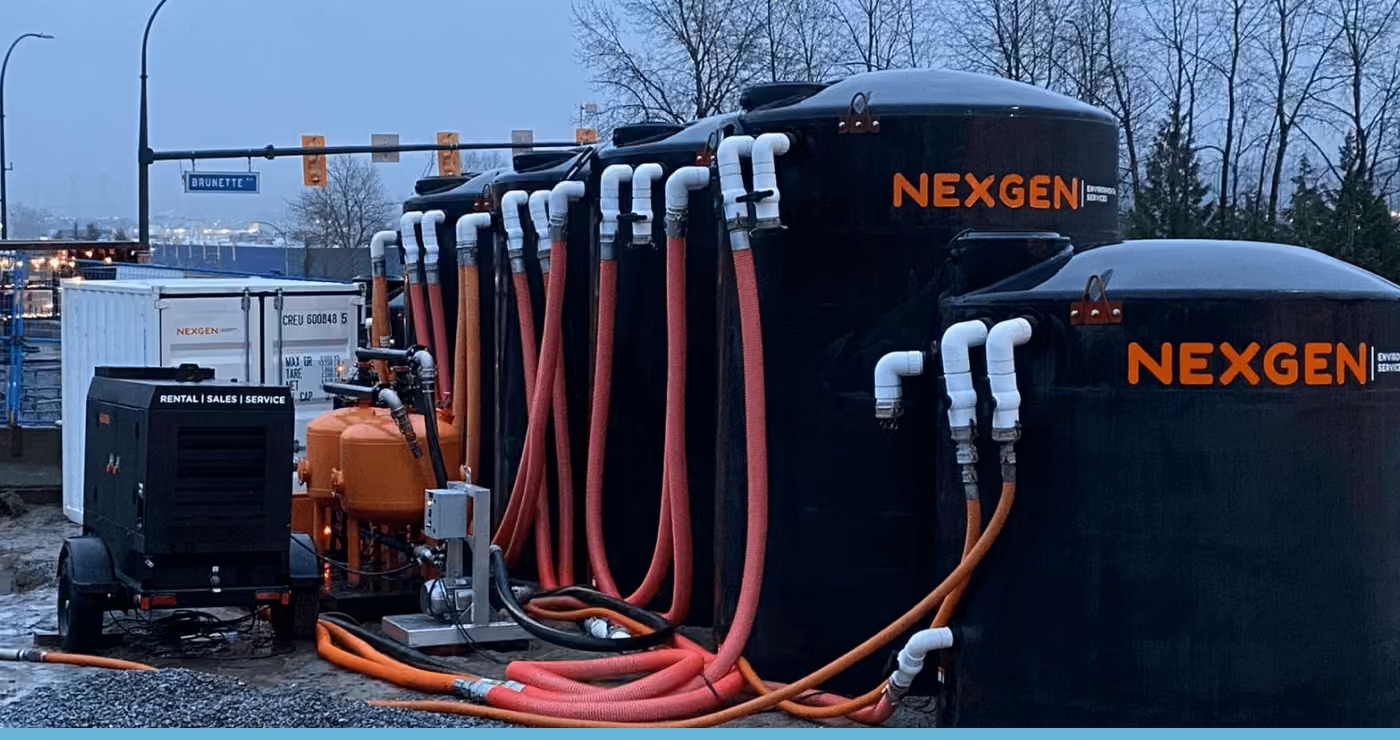
Stormwater treatment systems often combine settling tanks, filtration, and media vessels to meet strict discharge limits on active construction sites.
A typical construction treatment setup might include:
- Settling tanks or weir tanks to let heavy sediment drop out.
- Bag or sand filters to catch finer particles.
- pH adjustment systems where concrete contact has pushed pH too high.
- Media vessels for hydrocarbons or dissolved metals when required.
For metals, specialty media such as ion exchange resin can polish water down to very low concentrations. In simple terms, these resins act like a sponge at the molecular level, swapping “good” ions for the ones you need removed. Nexgen uses this kind of media inside pressure vessels on contaminated water treatment projects, matching resin type to the specific contaminants present. For more technical detail, see EPA’s overview of ion exchange treatment.
On construction sites, the mechanics are less glamorous and more practical: is there enough space for tanks and filters, can trucks access them for maintenance, and does the control strategy still work when flows spike during a storm? Nexgen’s environmental dewatering and treatment services are built around those field realities rather than ideal lab conditions.
Compliance, liability, and what regulators expect
In Canada and the U.S., construction runoff is treated as a regulated activity, not just “muddy water.” Provincial guidelines, municipal bylaws, and regional resources such as the Metro Vancouver stormwater guidelines all lean in the same direction:
- Limit sediment, concrete washout, and contaminants leaving the site.
- Protect streams, fish habitat, and downstream infrastructure.
- Hold owners and contractors responsible when discharges exceed limits.
Inspectors will look for more than a couple of straw bales at the gate. They expect:
- A written plan that covers erosion and sediment control, dewatering, and treatment.
- Evidence that controls were installed as designed and maintained.
- Sampling records that show how discharge quality was checked.
Falling short can mean warnings at best and stop‑work orders or fines at worst. It also increases the chance of claims from neighbours when basements, landscaping, or roads are damaged by uncontrolled flows.
Working with a dewatering partner that understands Canadian Water Quality Guidelines, local turbidity limits, and municipal expectations makes a difference. Nexgen builds those requirements into system design from day one rather than trying to “bolt on” compliance after the first complaint. Resources like EPA’s Construction stormwater BMP guidance show just how detailed these expectations can be around erosion, sediment control, and inspections.
Building a practical stormwater plan for your next project
You do not need a 200‑page report to run a better stormwater program on site. You do need a simple, realistic plan that your supers, foremen, and subs can follow.
- Start early in design. As soon as you have a grading plan and shoring concept, flag water risks: deep cuts below the water table, contaminated soils, tight urban sites, or sensitive neighbours downstream.
- Define the stormwater management system in plain language. Document where water will go for each phase, which controls will be in place, and how they change as the site evolves.
- Combine passive and active tools. Surface measures handle day‑to‑day showers; dewatering wells and bypass systems handle high groundwater and major storms. Links between them should be clear, both on paper and in the field.
- Plan for power and backup. Storms knock out power. Have a strategy for generators, fuel, and backup pumps, plus a contact list for your dewatering company and suppliers.
- Line up treatment before you need it. If there is any chance of contaminated groundwater or strict discharge limits, talk to Nexgen about sediment removal and treatment options before first cut.
The contractors who consistently come in on time and in regulatory good standing are rarely the ones trying to run everything off a single sump pump. They treat water as its own scope, just like shoring or structural steel.
When to bring in a dewatering specialist
Not every project needs a full engineered dewatering setup. But some clear red flags say, “Get help now, not three storms from now.” You should be talking to a specialist when:
- Your excavation is deeper than a couple of metres and close to existing buildings or utilities.
- Geotechnical reports mention high groundwater, artesian conditions, or soft, fine soils.
- There is known or suspected contamination (metals, hydrocarbons, or industrial history on site).
- Discharge must meet strict turbidity, pH, or metals limits before entering storm or surface water.
- You do not have spare space for ponds and are relying on tanks, galleries, or underground systems.
- Schedule pressure means one flooded weekend could set the whole project back.
Nexgen’s team designs, installs, and operates integrated dewatering and treatment systems across the Lower Mainland and Alberta, from dense Vancouver sites to remote infrastructure work. We combine wellpoints, vacuum trucks, bypass pumping, filtration, and resins into setups that match real‑world constraints.
If you are planning a project where water feels like a question mark, it is worth a short call now rather than an emergency visit later.
Key takeaway for construction teams
Better stormwater control is not about gold‑plating the job. It is about trading a bit of planning and system design up front for fewer surprises, safer excavations, cleaner discharge, and a smoother handover. With the right mix of stormwater management solutions and a dependable dewatering partner, storms can become one more managed risk instead of a standing threat to your schedule.
Need help with stormwater on an upcoming project?
Nexgen Environmental designs and runs construction dewatering, bypass, and treatment systems across Western Canada. From straightforward pits to complex contaminated sites, our field teams focus on keeping you dry, compliant, and working.
Request a Free Consultation Share your drawings, test results, and schedule and we’ll respond with a practical plan.
Frequently Asked Questions
What is stormwater management on a construction site?
Stormwater management is the process of controlling rainwater, groundwater, and runoff on a construction site to prevent flooding, erosion, sediment discharge, and environmental contamination. A proper stormwater management system helps keep excavations safe, protects nearby properties, and supports regulatory compliance.
Why are stormwater management solutions important for construction projects?
Stormwater management solutions help contractors avoid flooded excavations, erosion damage, project delays, sediment discharge violations, and costly rework. Well-planned systems also reduce the risk of stop-work orders, neighbour complaints, and environmental fines during heavy rain events.
What does a stormwater management system typically include?
A stormwater management system may include surface drainage controls, sediment barriers, sump pumps, wellpoints, filtration units, settling tanks, bypass pumping systems, and underground stormwater management system components designed to control and treat runoff before discharge.
When should contractors bring in a dewatering company?
Contractors should involve a dewatering company early when projects include deep excavations, high groundwater conditions, contaminated water concerns, underground stormwater management systems, or strict discharge requirements. Early planning usually prevents emergency pumping service calls and schedule disruptions later.
How does ion exchange resin help with stormwater treatment?
Ion exchange resin is commonly used in contaminated water treatment systems to remove dissolved metals and other contaminants from stormwater before discharge. These treatment systems are often used on industrial, brownfield, or environmentally sensitive construction sites with strict water quality limits.
Why are backup pumps and pump repair services important during storms?
Storms can overload pumping systems quickly, especially on deep excavations and urban sites. Reliable pump repair services, backup pumps, generators, and emergency pumping service plans help keep water levels under control and reduce the risk of flooding, equipment damage, and project shutdowns.