Back to Services

Field Services and Site Support

Bypass Systems

Bypass Pumping Systems for Live Flow Work

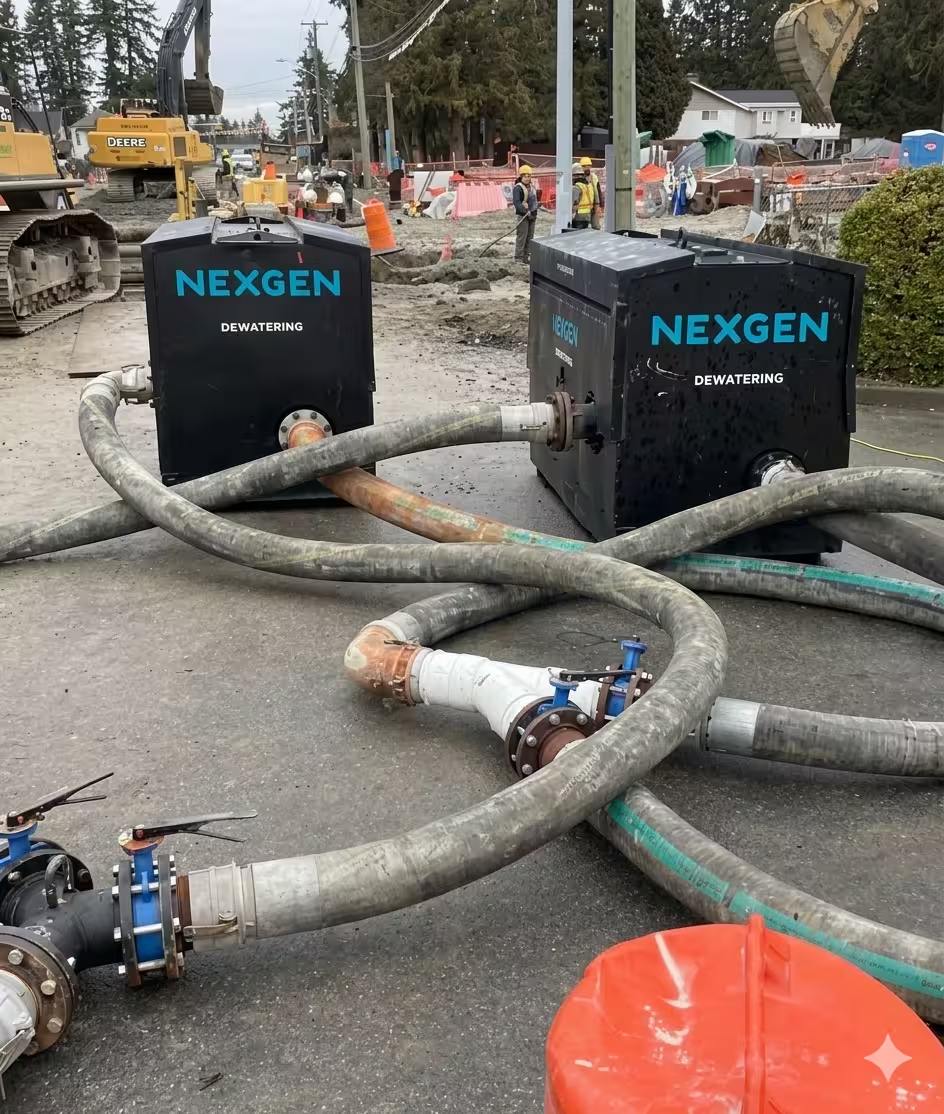
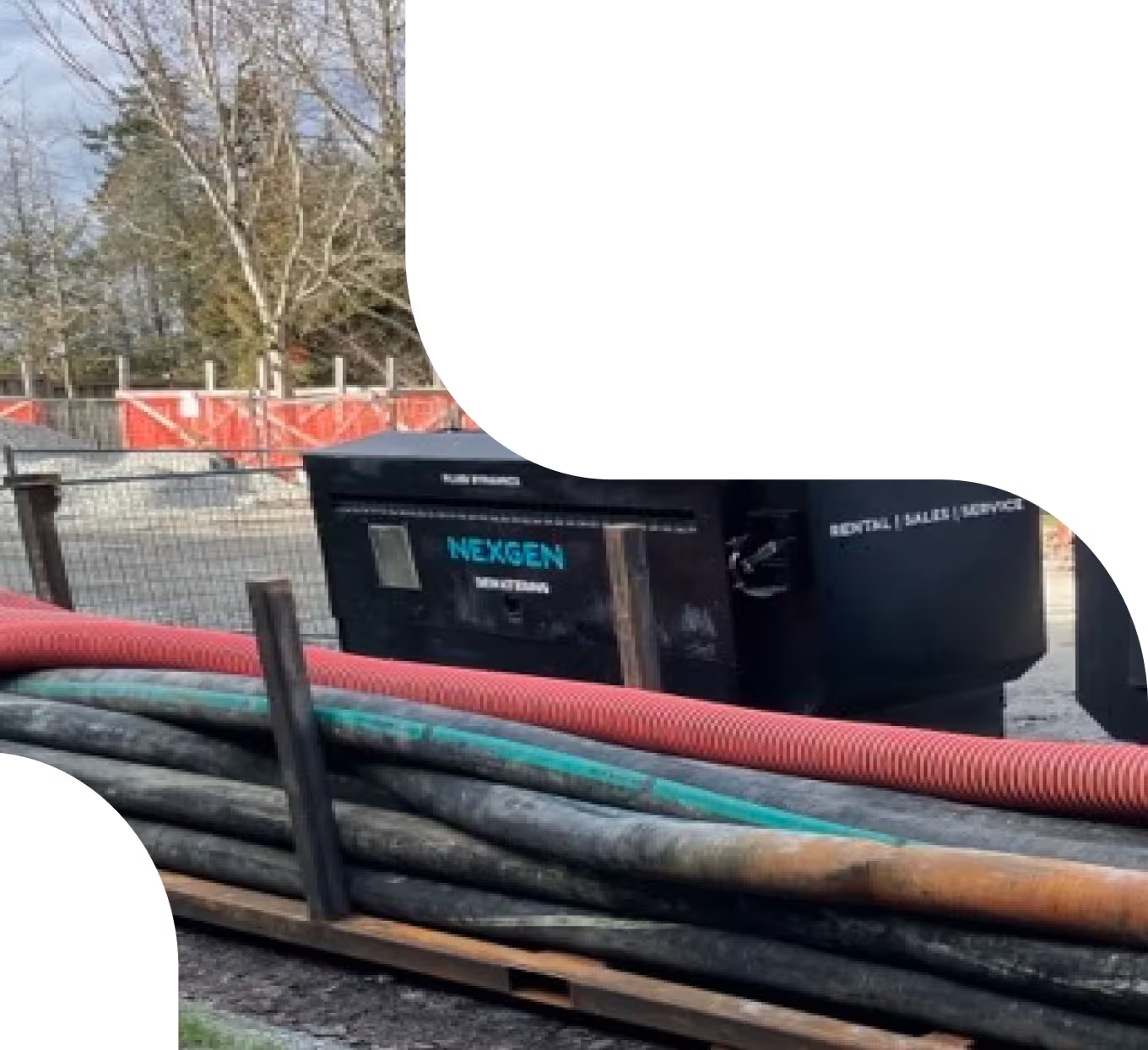
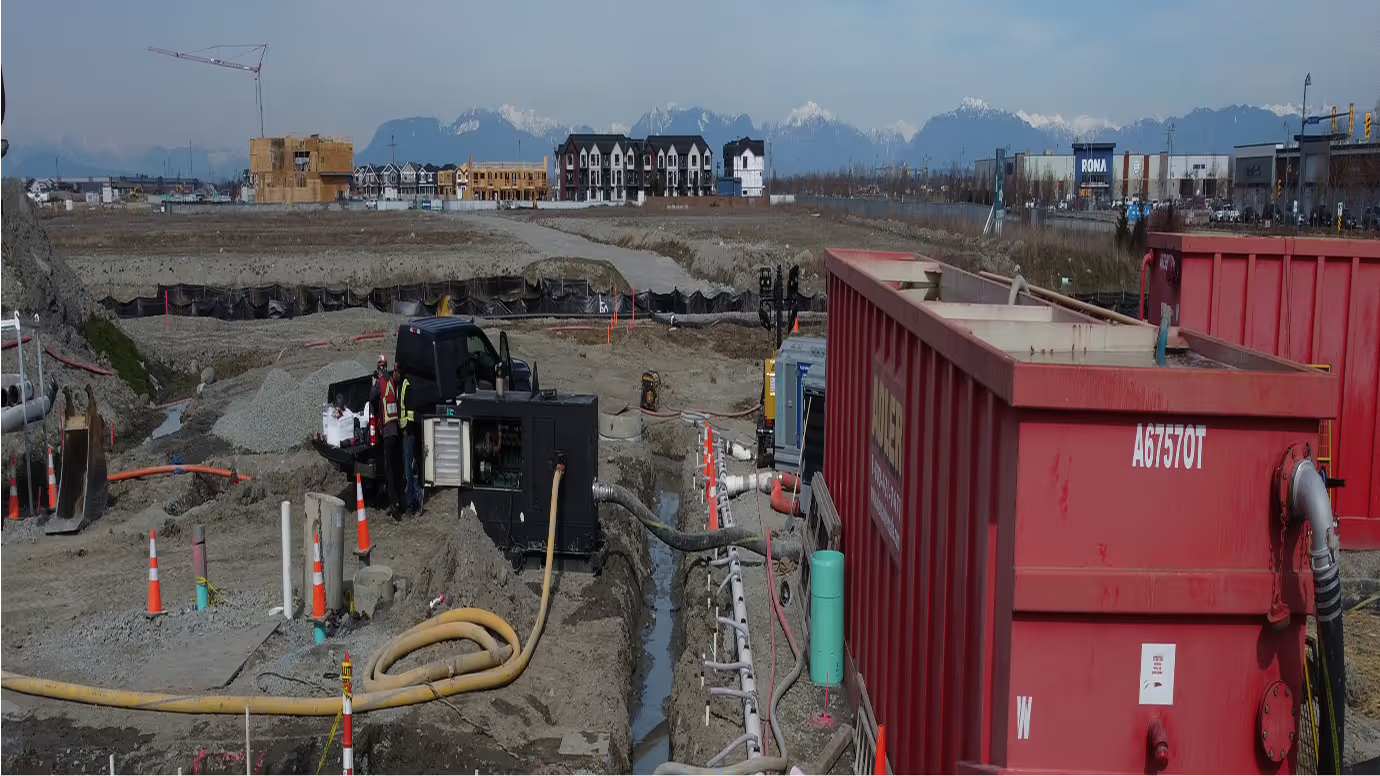
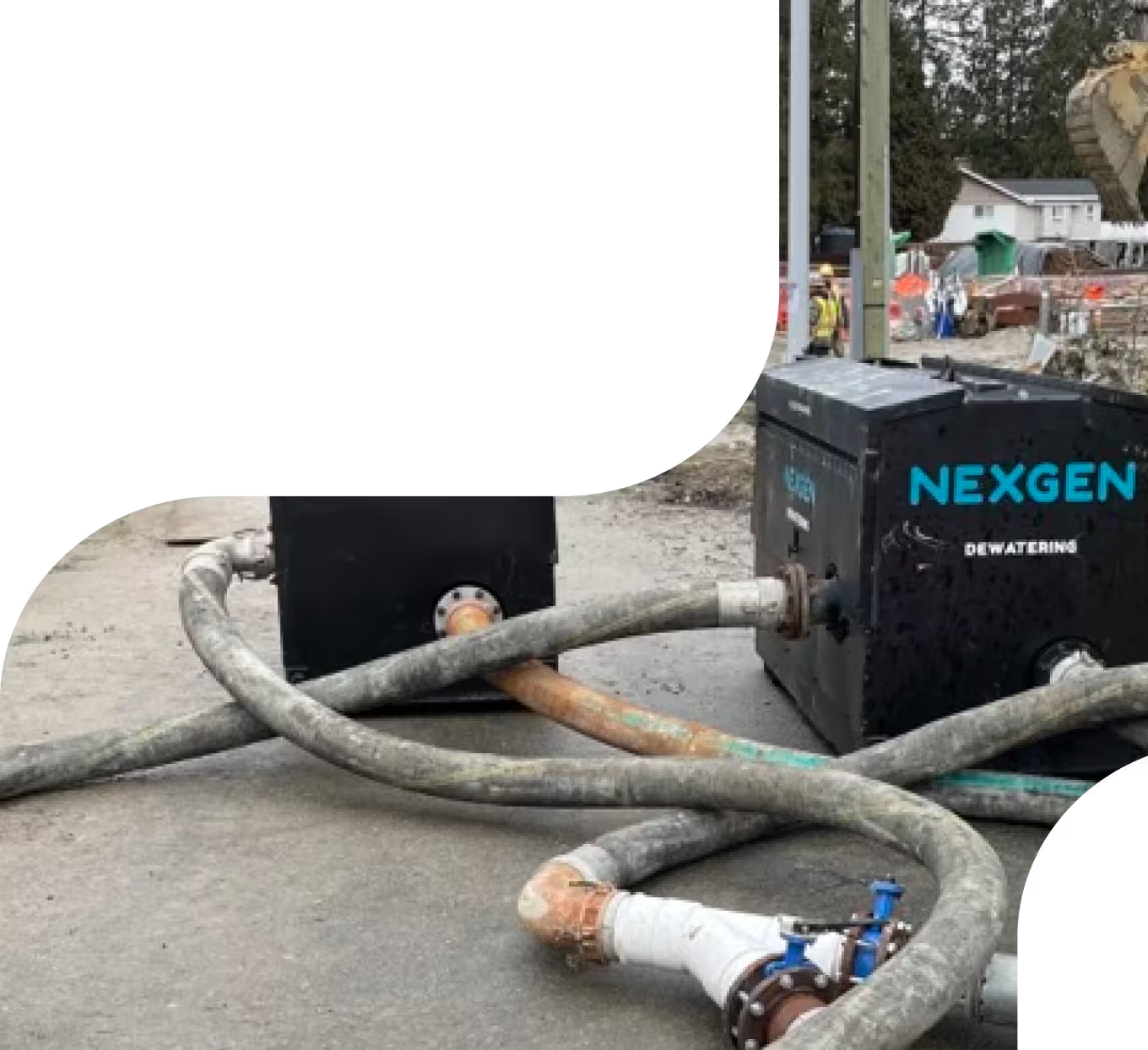
Bypass pumping keeps the flow moving when a line, manhole, or connection needs a work window. Our bypass systems are planned and installed to control live conditions, match expected volumes, and keep the bypass pumping setup stable through shifts, weather, and changing site sequencing.

>
Risk

The Usual Ways Bypass Pumping Fails on a Live Line

Where most bypass systems run into trouble

Underestimating live flow
When bypass pumping is sized too tight, surging and overflow risk shows up quickly. A stable plan accounts for peak conditions, not just average flow.
Fragile routing and access conflicts
A bypass line that blocks traffic, equipment, or safe access gets moved mid job. Each move increases leak risk and increases downtime.
Unplanned backups
Without redundancy, a single pump or power issue can turn into a spill event. A pump bypass system should not rely on one point of failure.
Poor control at tie-ins
Tie-ins that are rushed can create blowouts, air binding, or unstable suction. That creates stop-start pumping and puts crews in reactive mode.

Bypass Systems Sized for the Flow You Actually Have

We plan to bypass pumping around live conditions, expected peaks, and the space you have to stage equipment and routing. That includes pump selection, hose and pipe sizing, containment approach, and a routing plan that can stay in place through the work window. The goal is simple: sewer bypass pumping that runs steadily, not a setup that needs constant attention.

how we work

How We Set Up Bypass Pumping Without Turning the Site Into a Patch Job

We plan the bypass, install it cleanly, and keep the setup stable until the line work is complete.

Flow check and constraints review
We confirm where flow is coming from, what the work window looks like, and what cannot be blocked. This step sets the direction for bypass pumping and routing.
Bypass pumping plan and layout
We define pump sizing, suction and discharge routing, and where tie-ins happen. The bypass systems layout is planned to minimize moves and keep access clear.
Installation and startup
We install the pump bypass system, set tie-ins, start pumping, and verify stable operation. Startup includes checking for air issues, leaks, and routing conflicts.
Supervision and adjustments
We monitor performance, adjust as flow changes, and keep the setup consistent until the line work is finished. The focus stays on keeping bypass pumping steady, not babysitting problems.
CUSTOMER REVIEWS
"I’m a project manager for large commercial construction projects and have had great success with NextGen. The service and equipment are all top notch and the pricing competitive!"
Dewatering Solution

Construction Dewatering and Flow Control Services

Explore the other services in this category and choose the right scope.
Dewatering Project Planning
Plan groundwater control before excavation starts. A clear path for setup, discharge, and documentation so the crew is not forced into last-minute decisions.
arrow rightarrow right
View Dewatering Planning
Wellpoint Systems
Lower groundwater around shallow excavations using a wellpoint system when soil conditions support a drawdown. Layout, install, and startup built for production work.
arrow rightarrow right
View Wellpoint Systems
Help & Support

Bypass Systems FAQs

Quick answers for live flow, setup scope, and work windows.
When do you need sewer bypass pumping?
arrow up
Sewer bypass pumping is used when flow must stay live during repairs, tie-ins, inspections, or replacement work. It keeps the system moving while crews complete the work safely.
How do you size bypass pumping?
arrow up
Bypass pumping is sized around expected live flow and peak conditions. We select pumps and routing that can handle surges so the bypass does not run at the edge of capacity.
What is included in a bypass systems setup?
arrow up
A bypass systems scope typically includes pump selection, routing, tie-in approach, and startup checks so the system runs steadily during the work window.
What is a pump bypass system and how is it different?
arrow up
A pump bypass system refers to the full pumping setup used to move flow around a work area. It’s the combination of pumps, routing, and tie-in points that makes bypass pumping possible.
Can bypass pumping be used for emergency conditions?
arrow up
Yes. Bypass pumping can be mobilized quickly when flow needs to be controlled to protect the site and keep work moving.

Request a Bypass Pumping Quote

Share the location, what section is being worked on, and the timing of the shutdown or tie-in. We’ll recommend the bypass pumping approach and the bypass systems layout to keep the flow moving.