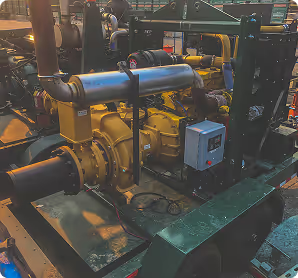
Three numbers decide which pump you need: flow rate, total head, and how much solid material the water is carrying. Get flow rate wrong and the pump cannot hold drawdown once inflow rises. Get head wrong and output collapses before the water reaches the discharge point. Get solids wrong and a clean-water pump clogs on day two. Suction lift also sets a hard limit on surface-mounted units, which is why excavations deeper than about 5.5 m move to submersible pumps in deep wells rather than pumping from the top. Send us those three figures with your discharge distance and we will confirm the right unit before anything ships.
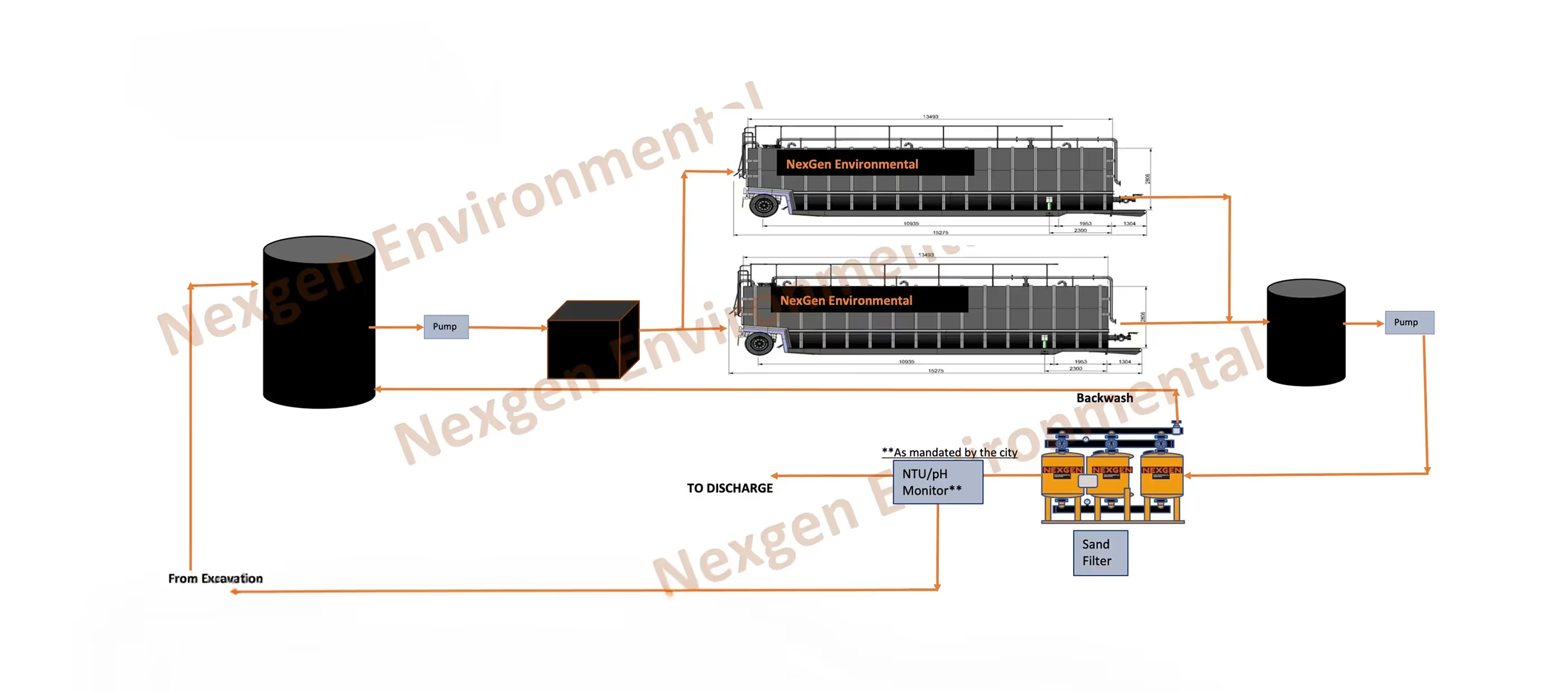
Our schematic guide provides a clear visual overview of the dewatering process and the equipment used at each stage. It shows how pumps, hoses, fittings, poly tanks, and treatment systems work together to remove and manage site water safely and efficiently.
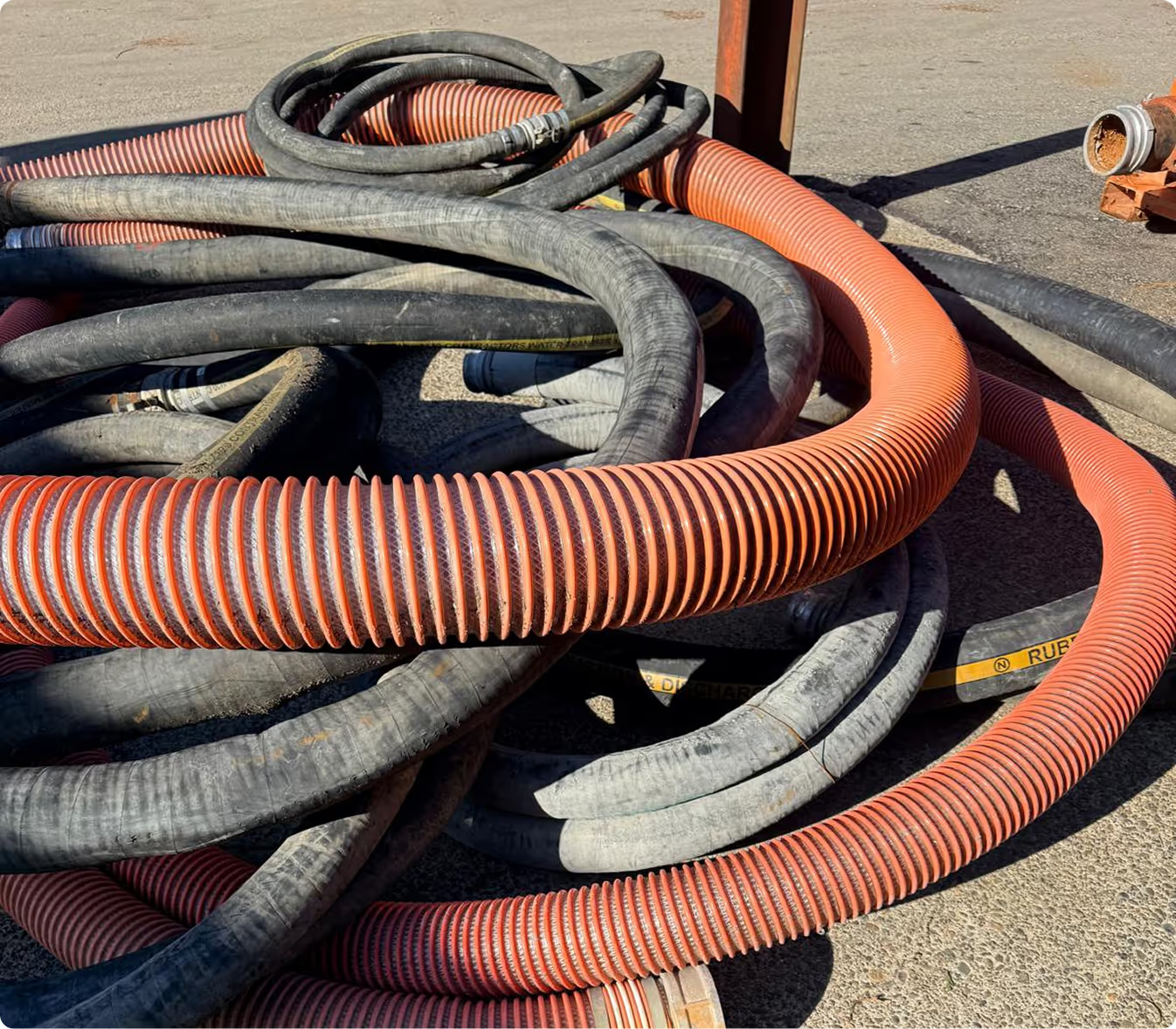
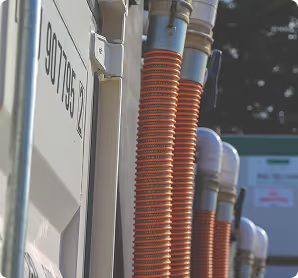
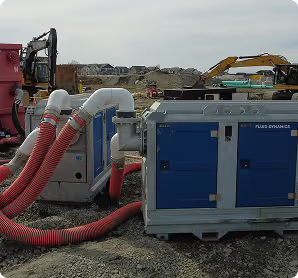
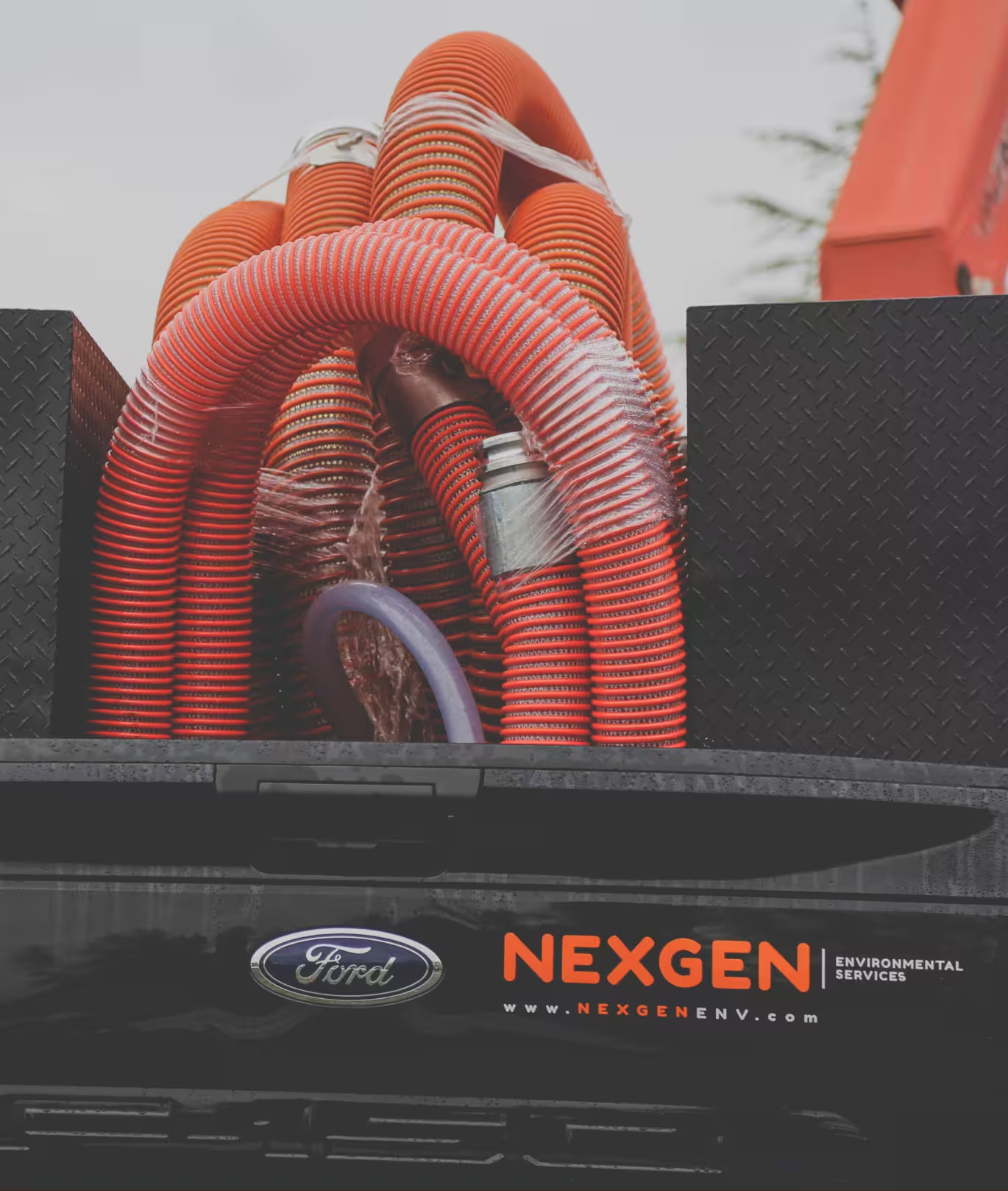
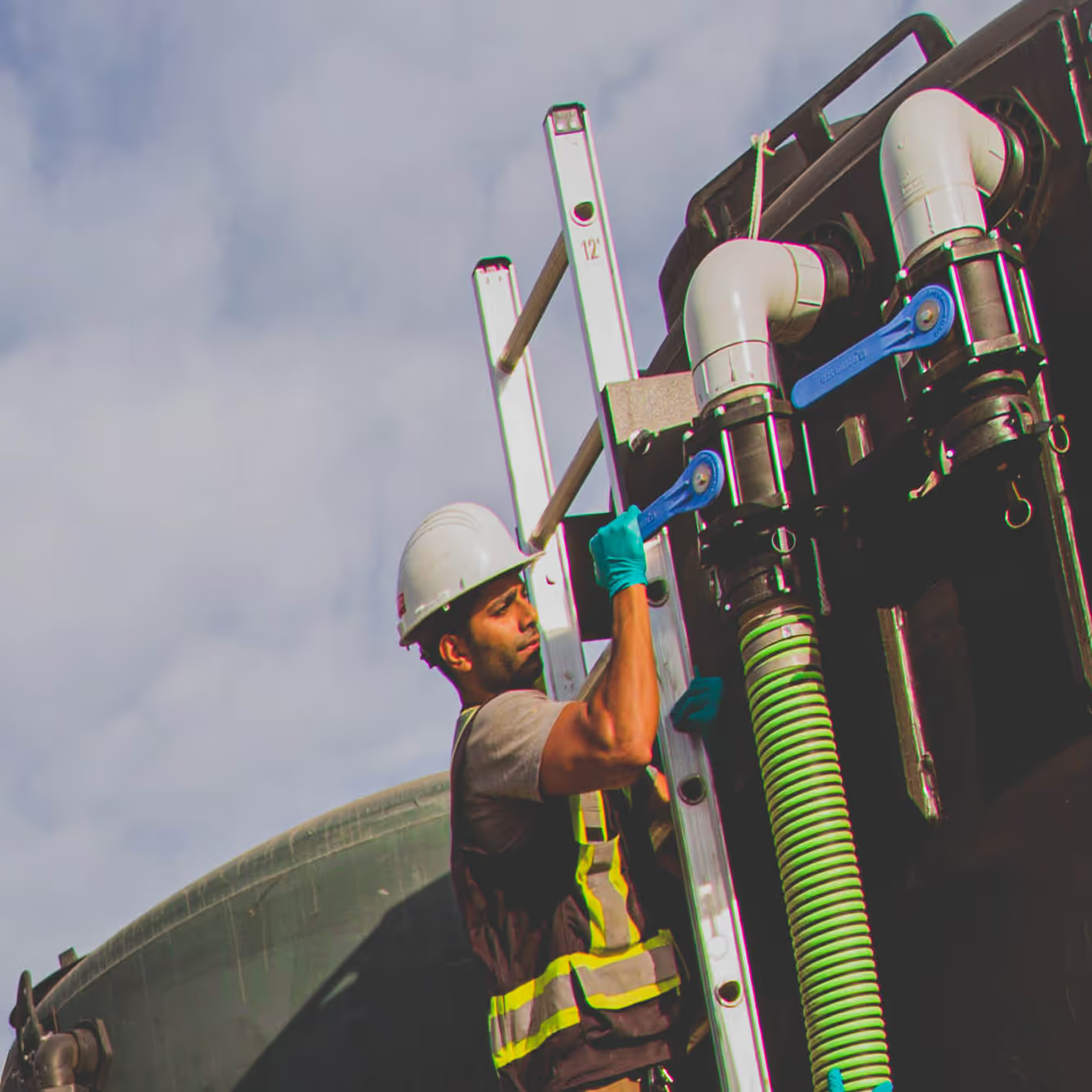
We manage every aspect of your pump, hose, and fitting rental, from coordinated delivery and secure on-site setup to timely pickup once your project is complete. Equipment is tested before it leaves the yard, connections are checked at startup, and we confirm the unit is holding its duty point under real site conditions rather than at idle. Our team works around your schedule to keep installation safe and the project moving.

Rental pricing depends on pump type, flow capacity, hose length, fitting requirements, rental duration, and delivery logistics. We offer flexible daily, weekly, and monthly rates, with cost advantages for larger or long-term projects.
All pumps, hoses, and fittings rentals meet industry safety standards and water management regulations. We assess site conditions before installation to help ensure proper operation, secure connections, and compliance with local discharge and environmental requirements.

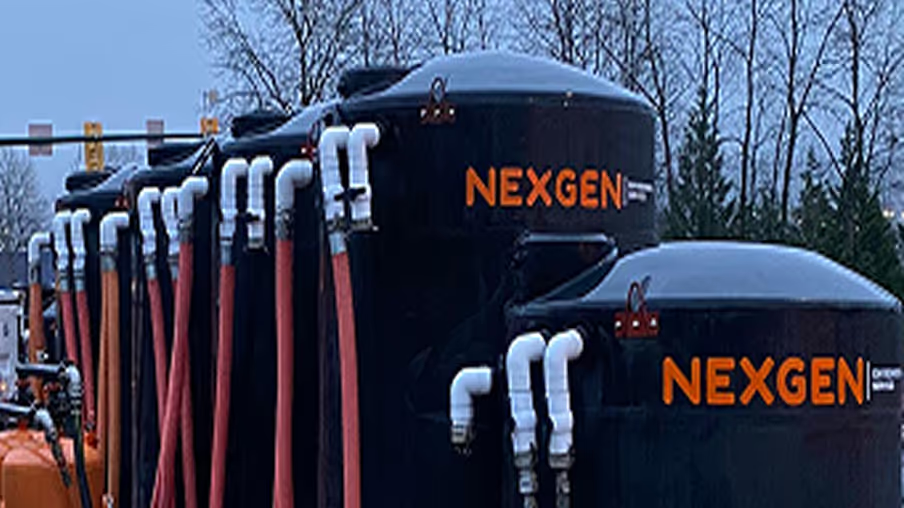
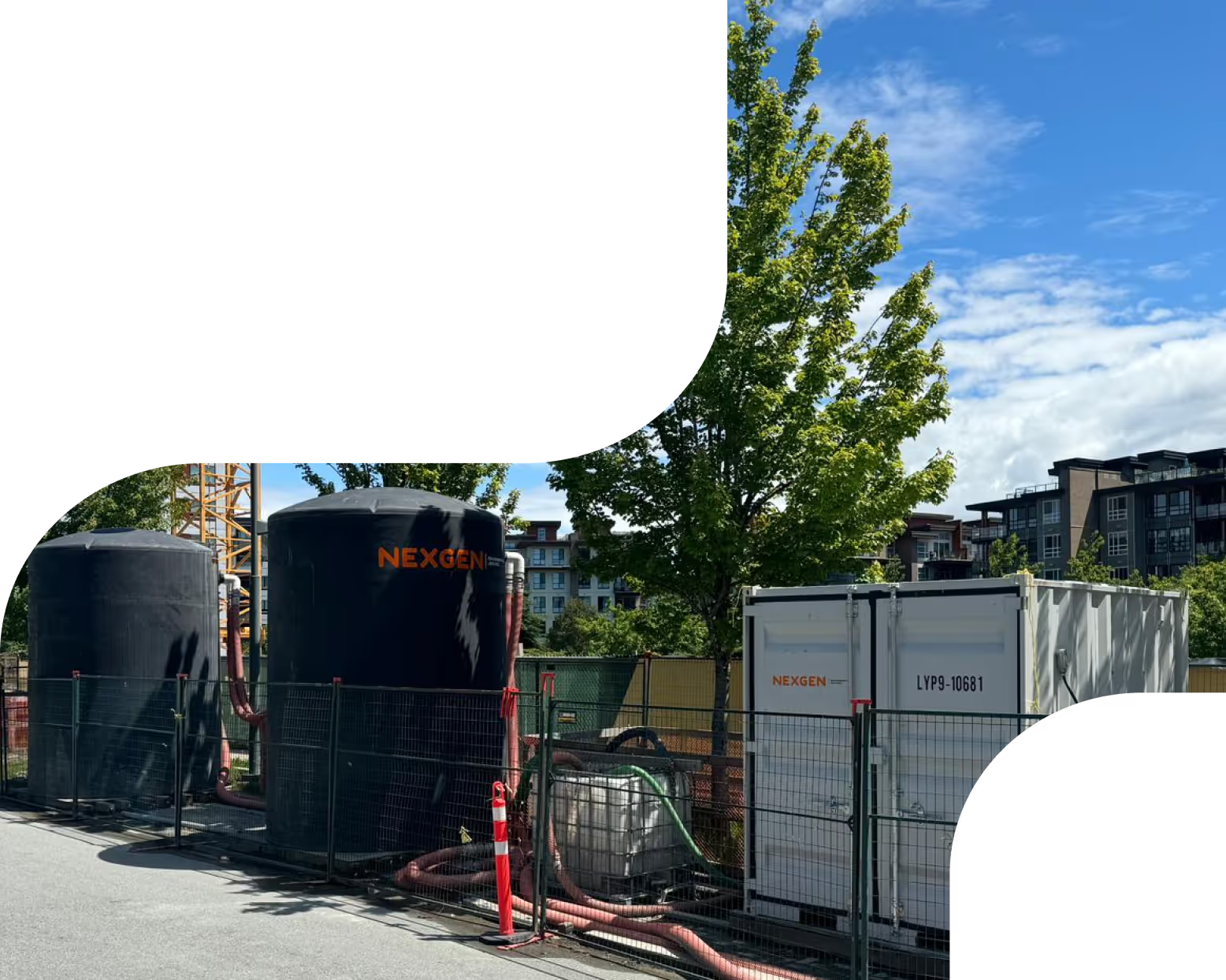
Maximize performance with compatible dewatering equipment, including poly tanks, injection units, control panels, float switches, and treatment systems designed to support safe and efficient site water management.