Fraser Mills: High Flow Contaminated Groundwater Treatment

Implemented a sophisticated 1,000 GPM metal chelating treatment system to manage extreme iron contamination.


The Problem

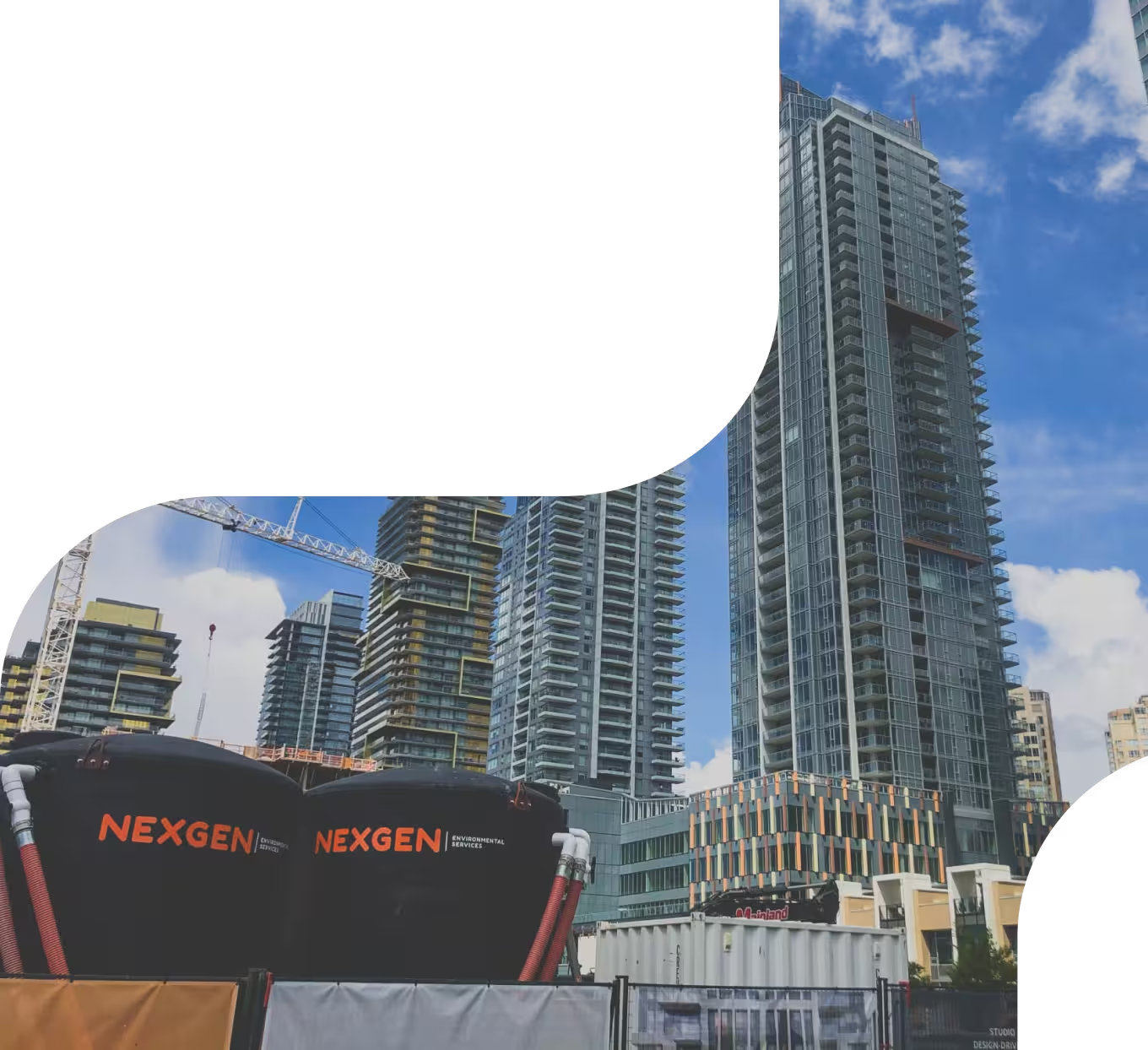
This project involved a major excavation for a new residential landmark at Fraser Mills, situated adjacent to a sensitive lake ecosystem in Coquitlam. The site faced a critical environmental challenge: groundwater heavily contaminated with iron, peaking at 130 mg/L and averaging between 80–90 mg/L. With a high volume pumping requirement of 1,000 GPM, the primary goal was to prevent excavation flooding while meeting incredibly stringent discharge criteria ($< 1$ mg/L). Any failure in the treatment process posed a severe risk of contaminating the lake, which would have triggered immediate intervention and heavy fines from the Department of Fisheries and Oceans (DFO), resulting in costly project delays for the developer.

The Solutions

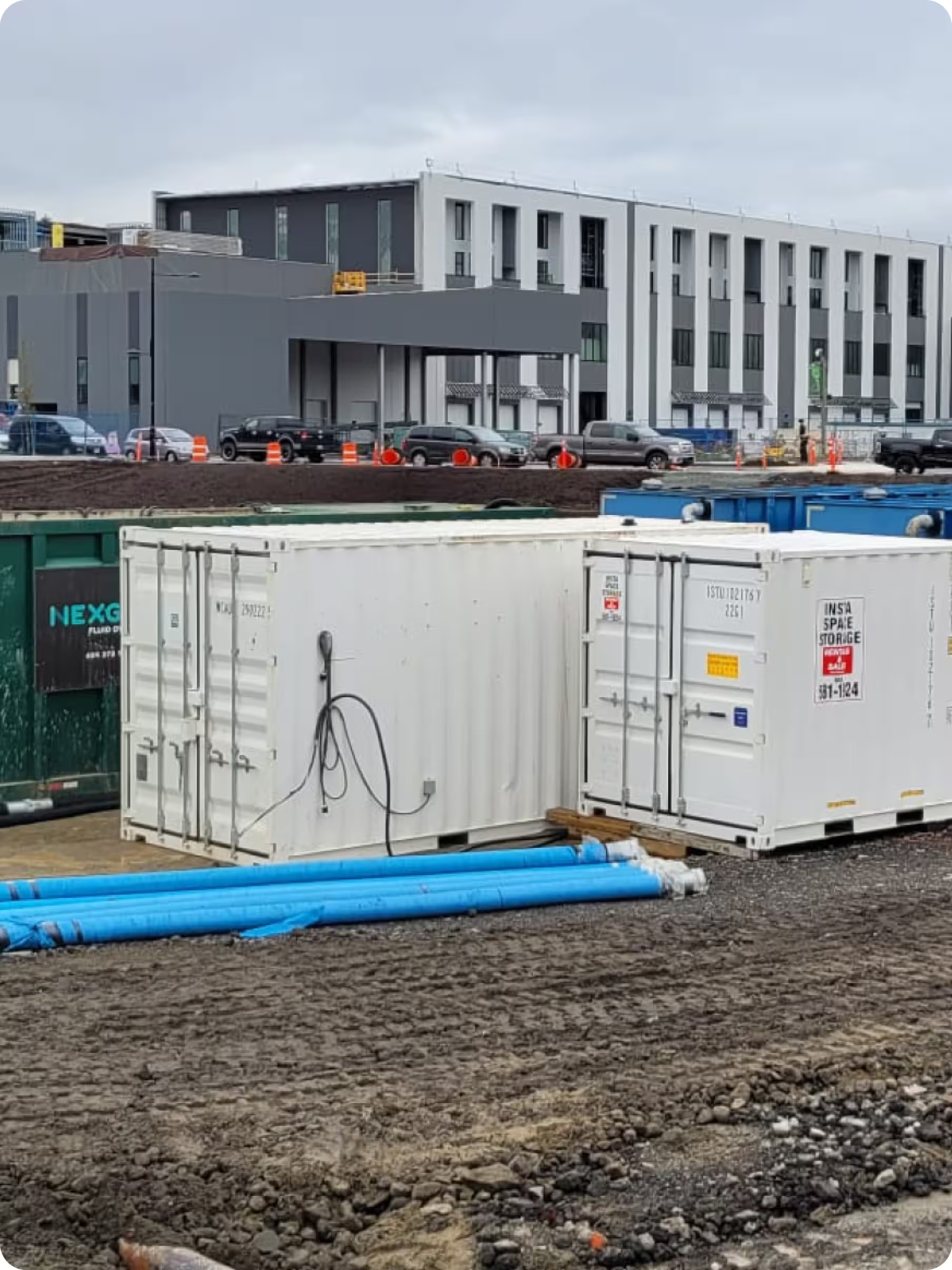
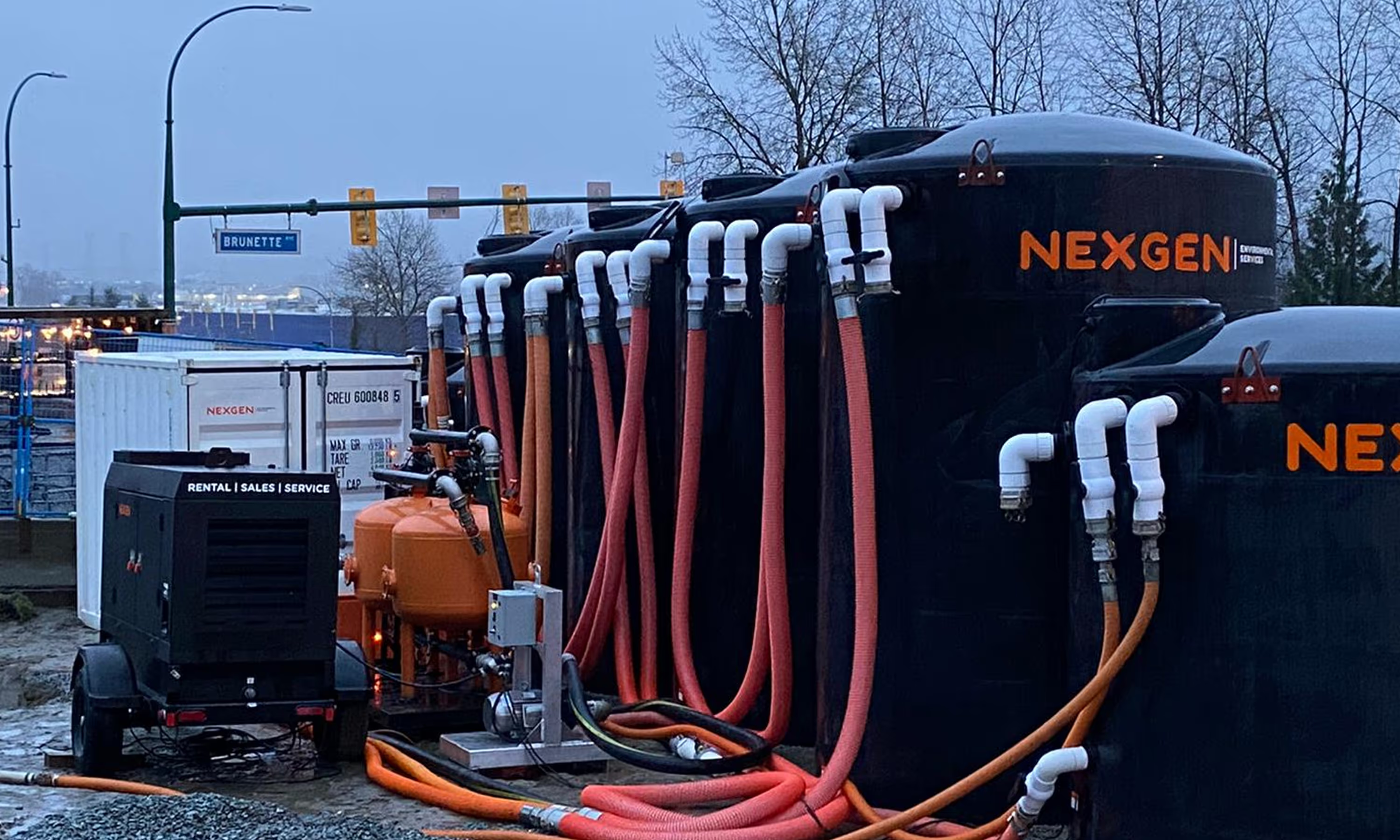
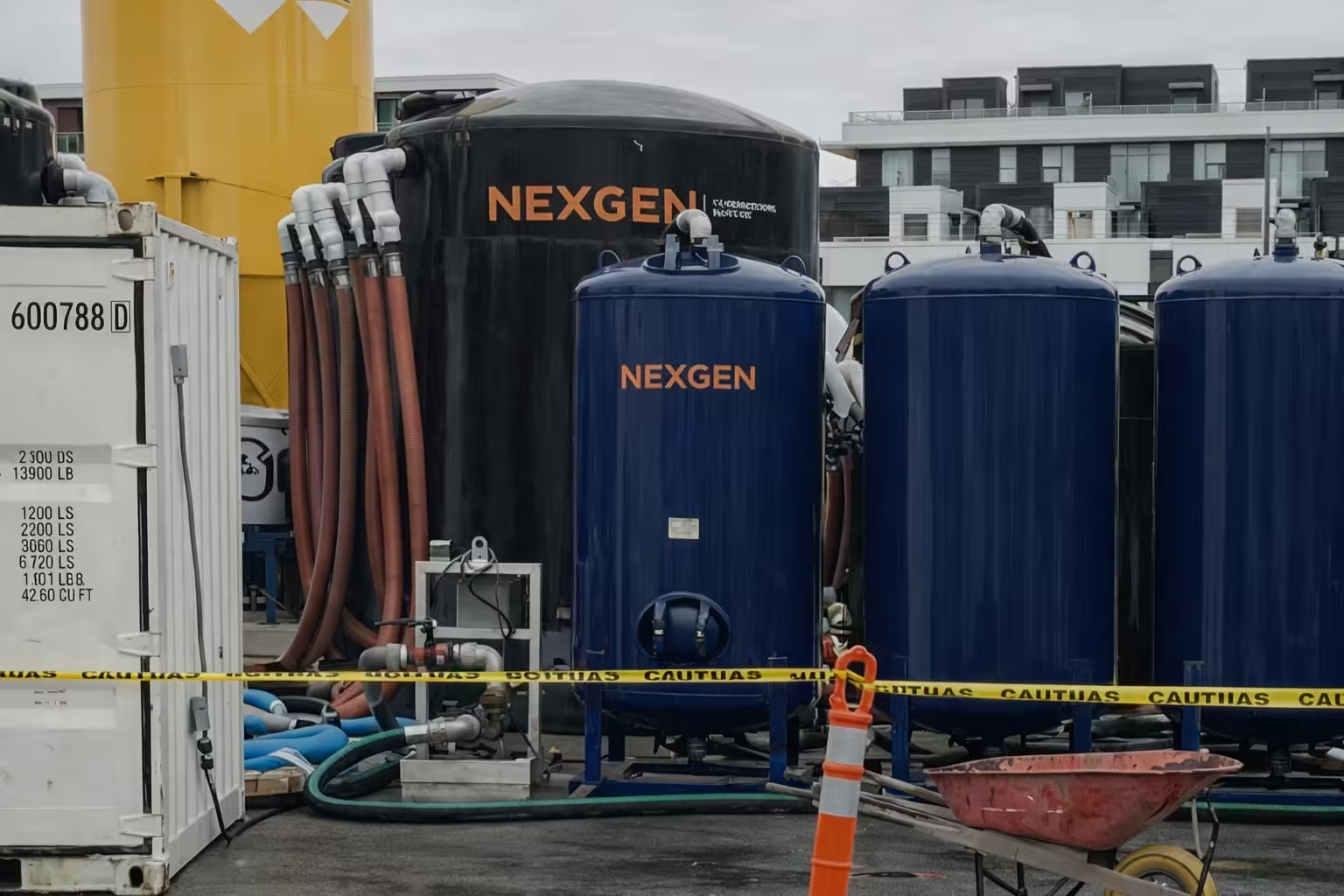
Nexgen engineered a sophisticated, multi stage 1,000 GPM ESC treatment system specifically designed for heavy metal remediation. The core of the solution involved the application of a specialized metal chelating agent to chemically bind and drop dissolved iron from the water stream. To provide the necessary volume and residence time for this reaction, we deployed a massive infrastructure consisting of eight 20,000 gallon tanks (one incoming and seven settling weir tanks), supported by two injection units and dual sand filters for final polishing. This setup was strategically designed for operational continuity; by utilizing dual injection lines, our team could vacuum out accumulated sediment from individual tanks without shutting down the entire system, ensuring an uninterrupted work environment.

The Result

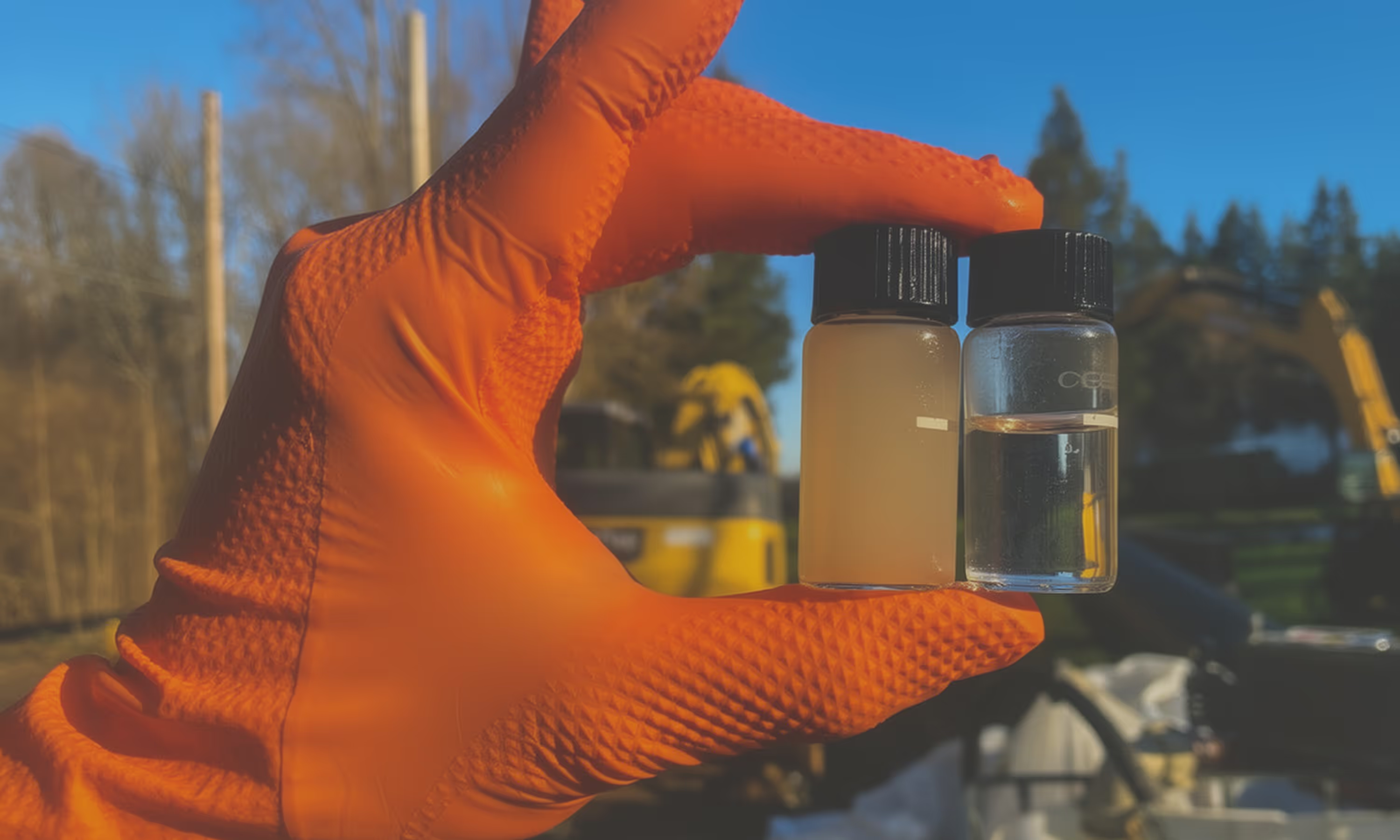
The treatment system performed flawlessly, successfully reducing iron concentrations from 130 mg/L to less than 1 mg/L before discharge. Despite the technical complexity and high flow rate, the excavation remained dry and stable throughout the 9 month project duration, with zero dewatering related stoppages. Nexgen’s proactive management ensured 100% environmental compliance, protecting the sensitive lake habitat and maintaining a positive standing with the DFO and city regulators. The project was completed on schedule, demonstrating that even extreme chemical contamination can be managed effectively through advanced engineering and continuous monitoring.
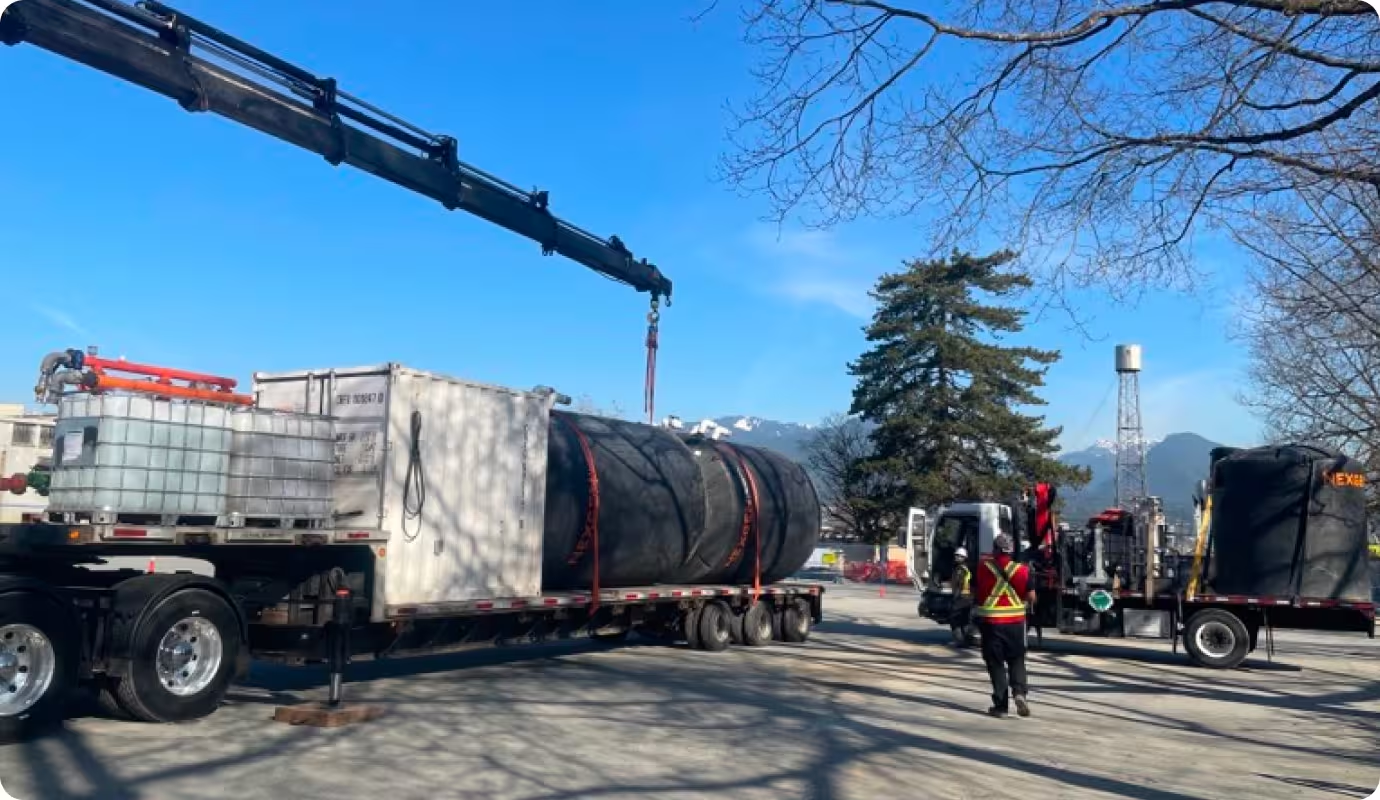
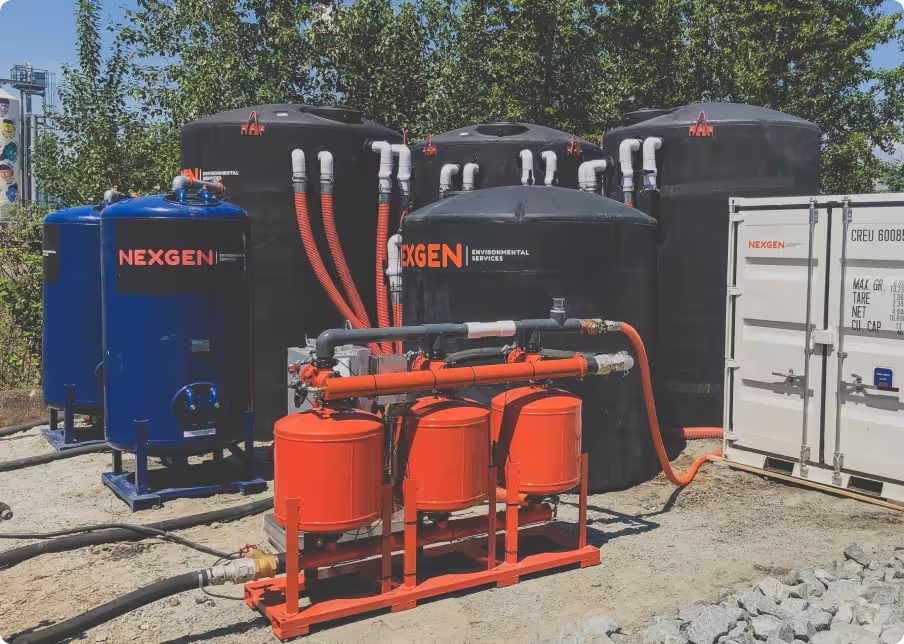
See This project in Action

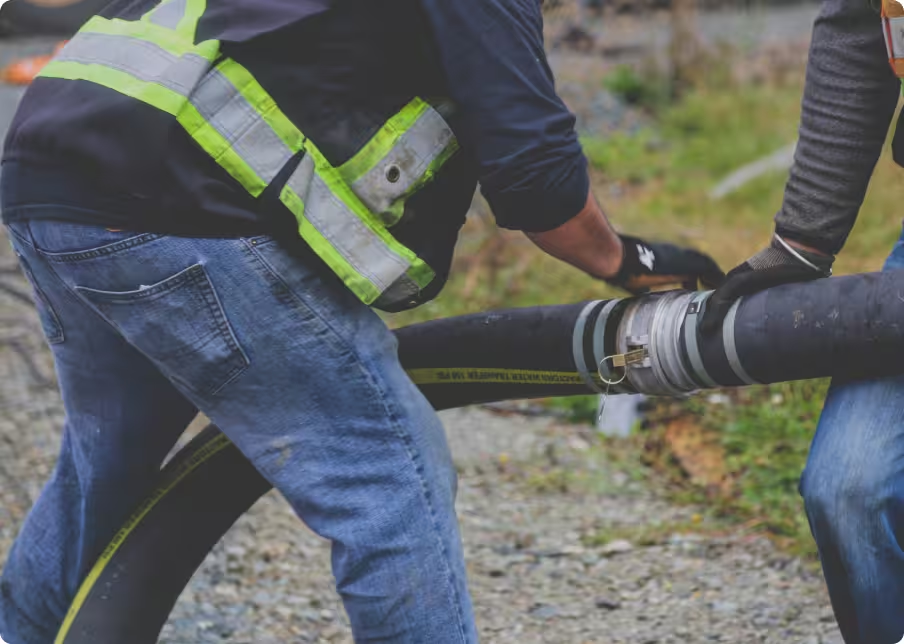
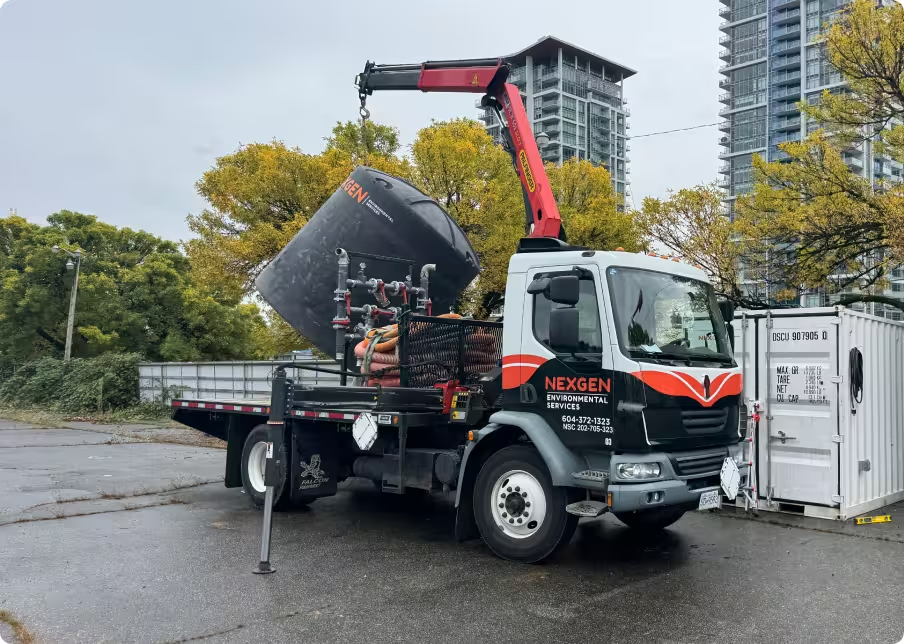
View visual proof of our groundwater treatment expertise across Coquitlam and Greater Vancouver, showcasing the successful remediation of highly contaminated water for safe discharge into sensitive ecosystems.

RESULTS

The numbers behind This Successful Project

These figures show what we accomplished on this coastal project.

8
1
8
0
8
1
Months
Project Duration
8
1
8
0
8
1
Mg/L
to < 1 Mg/L
Iron Reduction
8
1
8
0
8
1
GPM
Peak Flow Rate
8
1
8
0
8
1
Gallons
8x 20,000G Tanks
Settling Capacity
CUSTOMER REVIEWS
"Nexgen has always been responsive to our needs in a timely fashion and knowledgable about their product and service. When our water pump for the tower went down and we had a fresh load of concrete needing water/cooling in the heat of the Summer right before a long weekend, Nexgen saved the day. 5 stars."
portfolio

Explore Other case studies

See how our dewatering solutions deliver real results. Real projects, real outcomes, showcasing the impact of our work in action.

Westshore Terminals
arrow up right

Conducted an Ion Exchange treatment system to treat Chromium-contaminated groundwater and discharge into the Pacific Ocean at 475 GPM flow rate.

Water management
Treatment
arrow rightarrow right
view project
North Shore Waste Water Treatment Plant
arrow up right

Handled a ESC system to treat metal and hydrocarbon-contaminated groundwater

Water management
Treatment
arrow rightarrow right
view project
Burke Mountain Secondary School Groundwater Treatment
arrow up right

Implemented a ESC treatment system to manage rapid mountain-slope runoff

Water management
Treatment
arrow rightarrow right
view project

Frequently Asked Questions

Common questions about this dewatering project and our methods.
Still have questions?
Reach out to discuss your specific dewatering needs
How long did the groundwater treatment take?
arrow up
The system was operational on-site for 9 months. This continuous operation ensured the excavation remained dry and stable through varying seasonal groundwater conditions, supporting the project from initial dig to subgrade completion.
What specific equipment was deployed for this high flow rate?
arrow up
To manage the 1,000 GPM flow and high iron content, we deployed a massive 160,000-gallon treatment train. This included one 20,000-gallon incoming tank, seven 20,000-gallon settling weir tanks, two chemical injection units, and two sand filters for final polishing.
How were environmental concerns and discharge standards handled?
arrow up
With discharge going directly into a protected lake, we met incredibly stringent DFO and municipal standards. By utilizing specialized metal-chelating agents, we successfully reduced iron concentrations from 130 mg/L to less than 1 mg/L, ensuring 100% environmental compliance.
What made the Fraser Mills project particularly challenging?
arrow up
The combination of a high 1,000 GPM flow and extreme iron contamination required precise chemical dosing and massive settling volumes. We engineered the system with dual-injection lines so we could vacuum out sediment without shutting down, preventing any project delays.
Can Nexgen handle similar contaminated groundwater projects?
arrow up
Yes. Our expertise in heavy metal remediation and high-capacity ESC systems makes us the ideal partner for complex residential or industrial developments near sensitive ecosystems throughout Coquitlam and the Lower Mainland.

Ready for Your Next Dewatering Project?

Let Nexgen handle your dewatering challenges and ensure a dry, stable, and compliant site from start to finish.