how we work
How We Scope and Run PFAS Water Treatment Support
A clear sequence so the treatment path stays organized from the start.





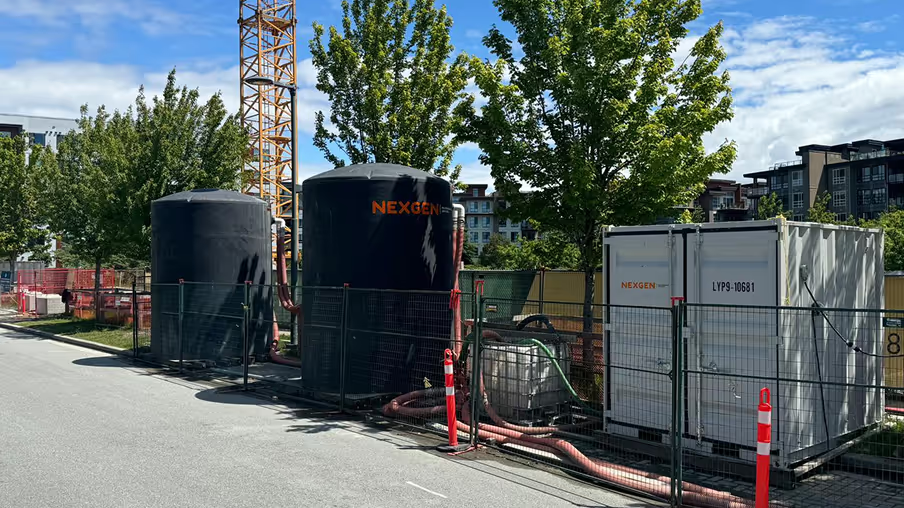
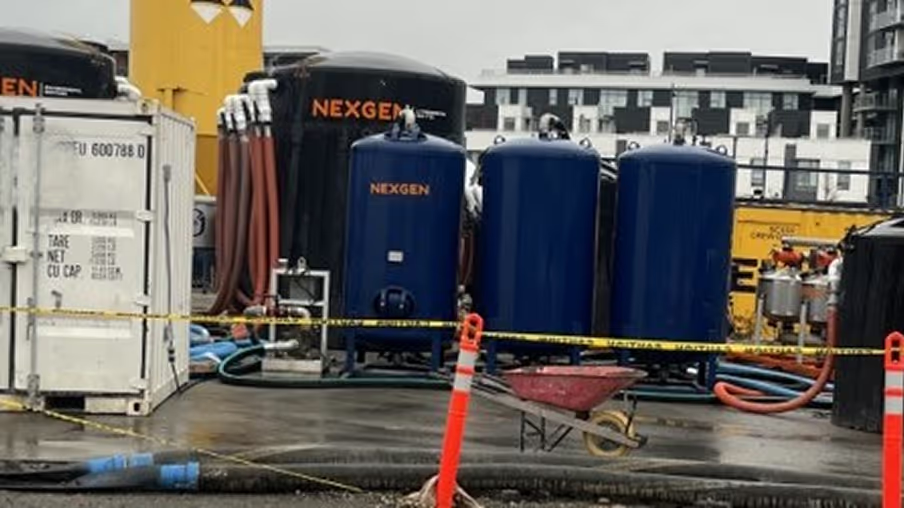
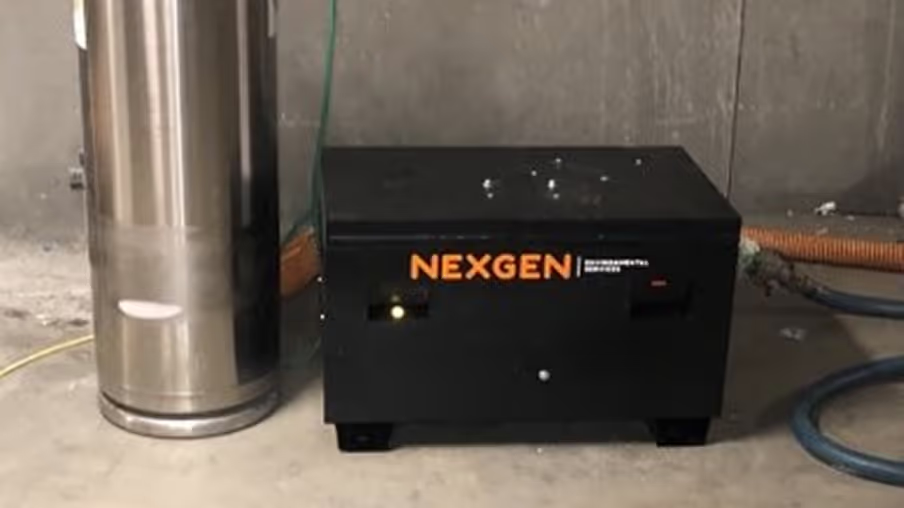
NexGen Environmental provides PFAS removal services for contaminated groundwater and construction site discharge in British Columbia. We deploy ion exchange resin and granular activated carbon (GAC) systems engineered for PFAS/PFOA treatment at active excavation projects, industrial sites, and brownfield developments throughout Metro Vancouver and the Lower Mainland
The project problems tend to show up fast


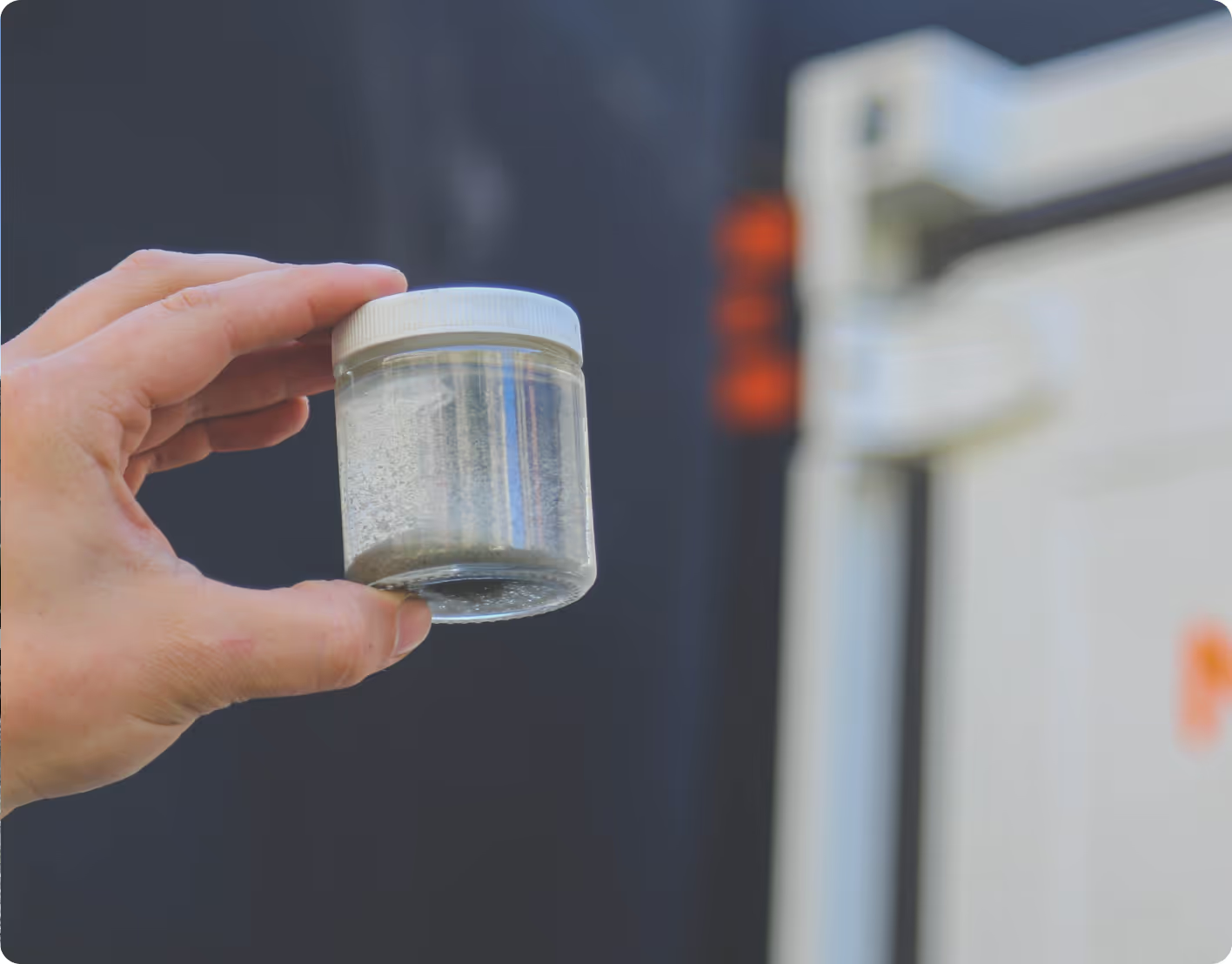
A workable setup starts with where water comes from, where it needs to go, and the space available for treatment. As PFAS can migrate during production, use or disposal into soil, water and air, their resistance to breakdown demands careful planning. We scope PFAS removal so filtration integrates cleanly with routing and flow, avoiding constant system rebuilds.

A clear sequence so the treatment path stays organized from the start.

Explore related services in this category and jump to the right scope.



<script type="application/ld+json">
{
  "@context": "https://schema.org",
  "@type": "FAQPage",
  "mainEntity": [
    {
      "@type": "Question",
      "name": "What does PFAS removal mean on a project?",
      "acceptedAnswer": {
        "@type": "Answer",
        "text": "It means adding a defined treatment step when PFAS is present in site water. The goal is a controlled process that doesn't change every day and keeps water handling organized."
      }
    },
    {
      "@type": "Question",
      "name": "Is PFAS treatment the same as PFAS filtration?",
      "acceptedAnswer": {
        "@type": "Answer",
        "text": "Not always. Filtration can be one part of the overall treatment path. The right approach depends on how water is being routed and what steps are needed to keep output consistent."
      }
    },
    {
      "@type": "Question",
      "name": "What should I send to start scoping the setup?",
      "acceptedAnswer": {
        "@type": "Answer",
        "text": "Send the site location, where water is coming from, where it needs to go next, and expected flow. If you have any notes or laboratory results, share them, but a short summary is enough to start."
      }
    },
    {
      "@type": "Question",
      "name": "Can this run alongside other water handling steps?",
      "acceptedAnswer": {
        "@type": "Answer",
        "text": "Yes. The setup is planned to integrate into your current water handling process so the site isn't forced to rework operations every time conditions shift."
      }
    },
    {
      "@type": "Question",
      "name": "How do you keep the system steady when conditions change?",
      "acceptedAnswer": {
        "@type": "Answer",
        "text": "We plan around flow changes, site footprint limitations, and equipment access so the treatment process remains stable. If inflow changes, the goal is to make small operational adjustments rather than rebuilding the entire system."
      }
    },
    {
      "@type": "Question",
      "name": "Do you help with documentation?",
      "acceptedAnswer": {
        "@type": "Answer",
        "text": "Yes. We keep records simple and consistent so it's easier to track system operation over time and provide documentation during project reviews or regulatory inspections."
      }
    },
    {
      "@type": "Question",
      "name": "What are PFAS and why are they a concern on construction sites?",
      "acceptedAnswer": {
        "@type": "Answer",
        "text": "PFAS (per- and polyfluoroalkyl substances) are a group of synthetic chemicals that can contaminate groundwater and construction site discharge. Because they break down very slowly in the environment, PFAS require specialized treatment before water can be safely discharged. NexGen provides PFAS removal systems for excavation projects, industrial facilities, and brownfield developments across British Columbia."
      }
    },
    {
      "@type": "Question",
      "name": "How does ion exchange remove PFAS from contaminated water?",
      "acceptedAnswer": {
        "@type": "Answer",
        "text": "Ion exchange systems use specialized resin media that attracts and captures PFAS molecules as contaminated water passes through the treatment unit. Depending on the project's water quality, NexGen may also use granular activated carbon (GAC) or a combination of treatment technologies to achieve regulatory discharge requirements and reliable long-term performance."
      }
    },
    {
      "@type": "Question",
      "name": "What are the British Columbia requirements for PFAS discharge?",
      "acceptedAnswer": {
        "@type": "Answer",
        "text": "Projects in British Columbia must comply with applicable provincial regulations, municipal discharge bylaws, and site-specific permit requirements when managing PFAS-contaminated water. Treatment systems should be designed using laboratory water analysis and supported by monitoring and documentation. While PFAS remediation requirements vary between projects, NexGen helps clients implement treatment systems that support environmental compliance."
      }
    },
    {
      "@type": "Question",
      "name": "How much does a PFAS treatment system cost?",
      "acceptedAnswer": {
        "@type": "Answer",
        "text": "The cost of a PFAS treatment system depends on several factors, including water volume, PFAS concentration, treatment technology, project duration, flow rate, and monitoring requirements. Because every project is different, NexGen provides project-specific recommendations and quotations based on laboratory testing and site conditions."
      }
    }
  ]
}
</script>