how we work
From Wellpoint Dewatering Design to Startup, Here’s the Sequence
We plan the layout, install the system, and tune performance so groundwater lowering stays consistent as the excavation moves.





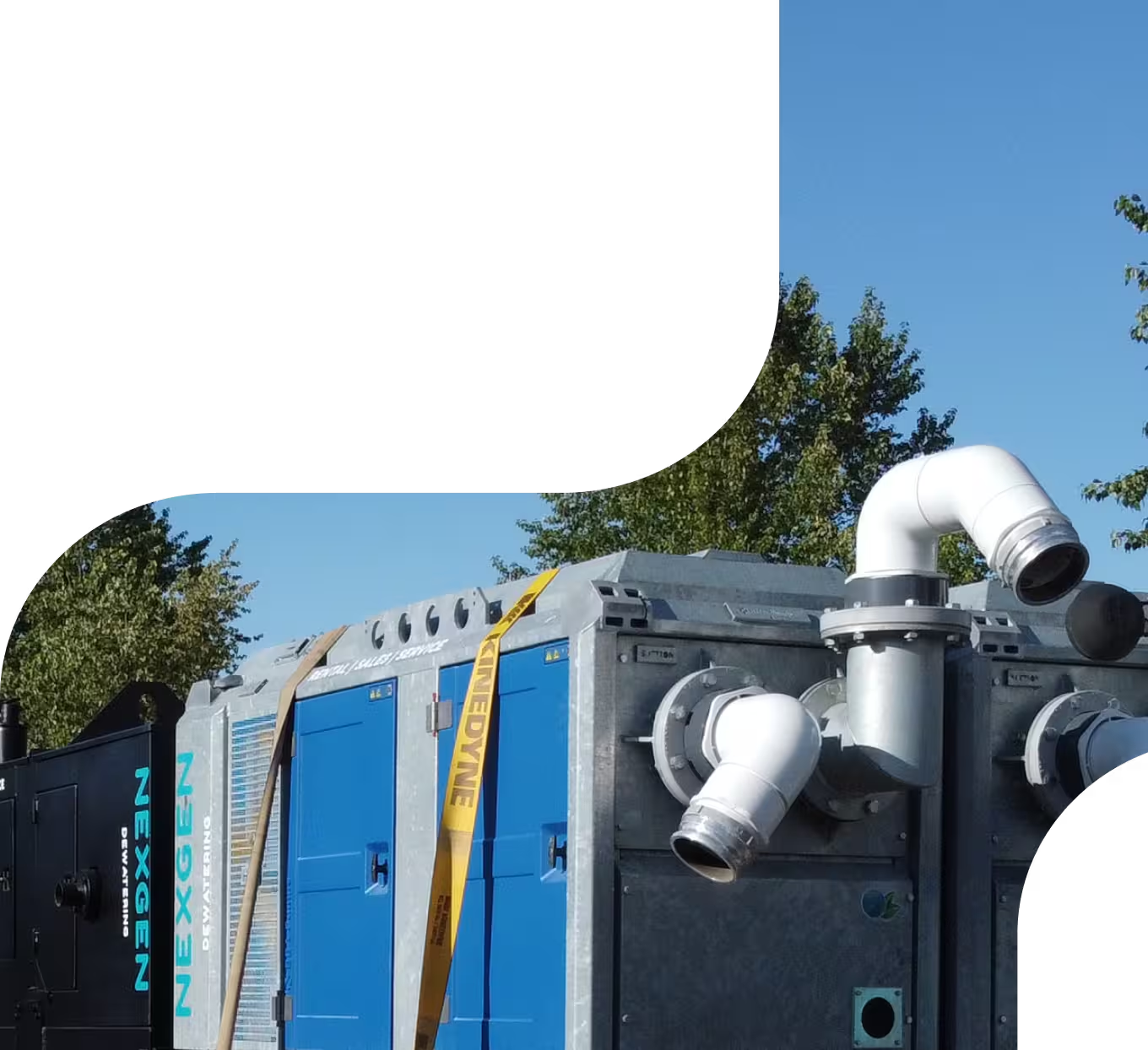
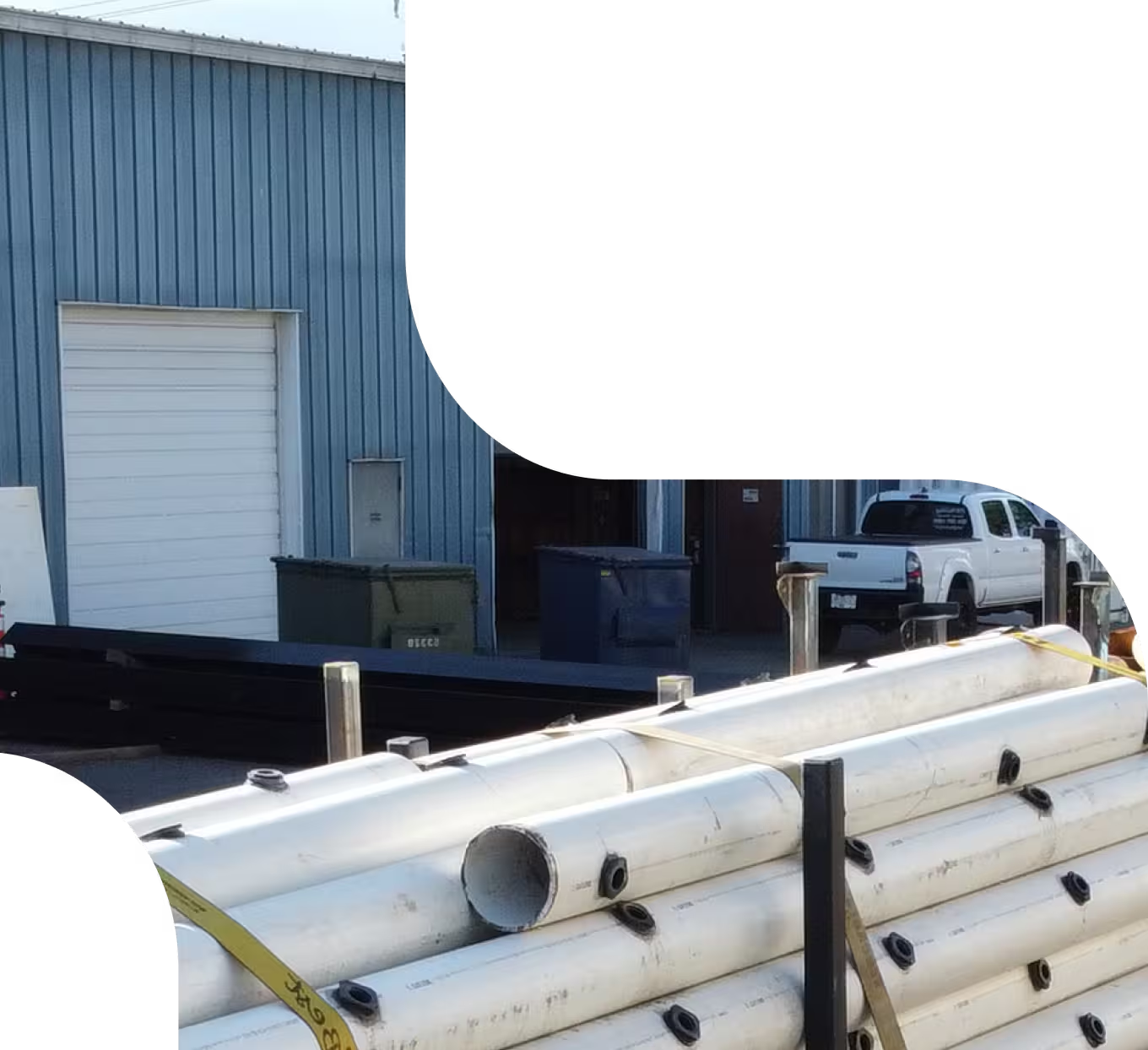
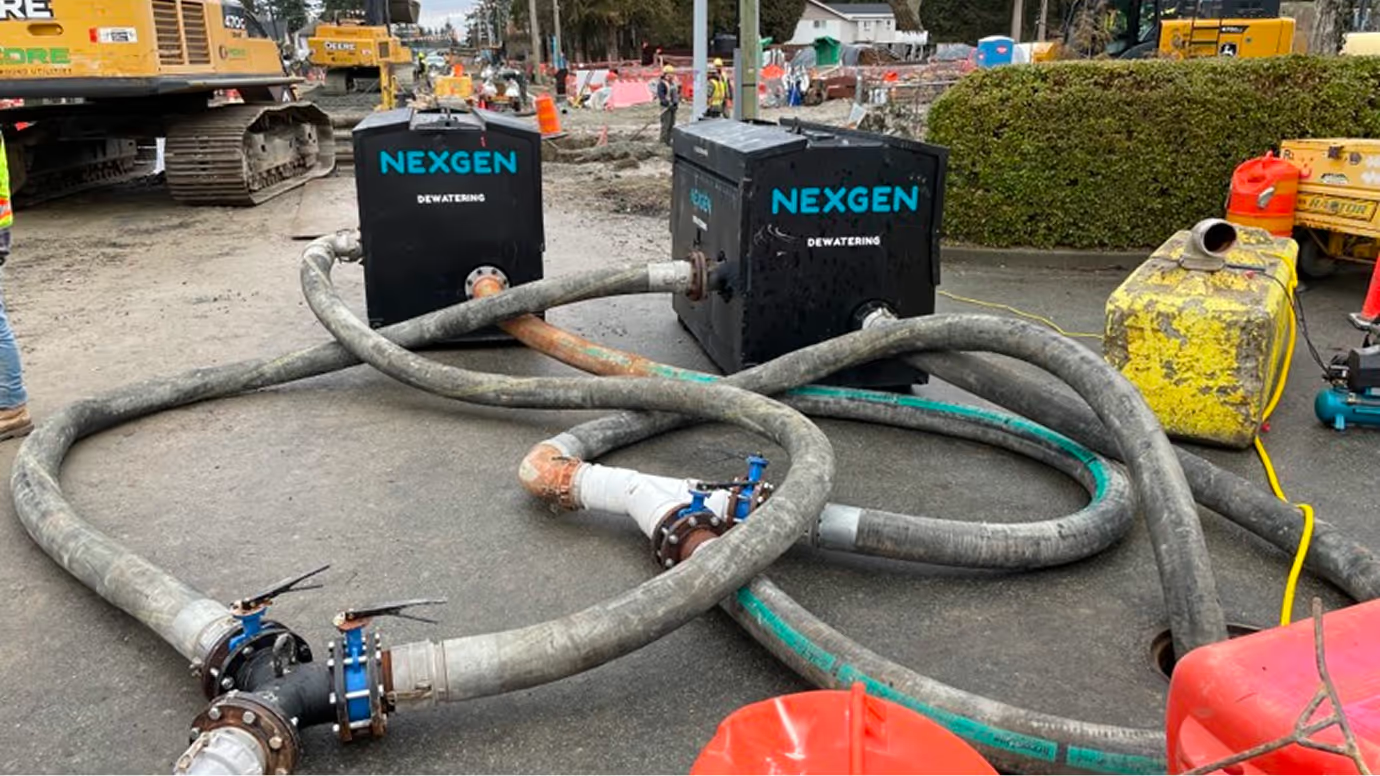
A wellpoint dewatering system is a line or ring of small-diameter wells connected by a header pipe to a vacuum pump, which lowers the groundwater table around an excavation so crews can work in dry, stable ground. A single stage draws down roughly 5.5 m (18 ft); deeper excavations need a staged array or deep wells. NexGen designs, installs, and operates these systems across Metro Vancouver and British Columbia for pipeline trenches, utility installations, shoring pits, and infrastructure work.
The common failure points behind “the wellpoints aren’t working.”


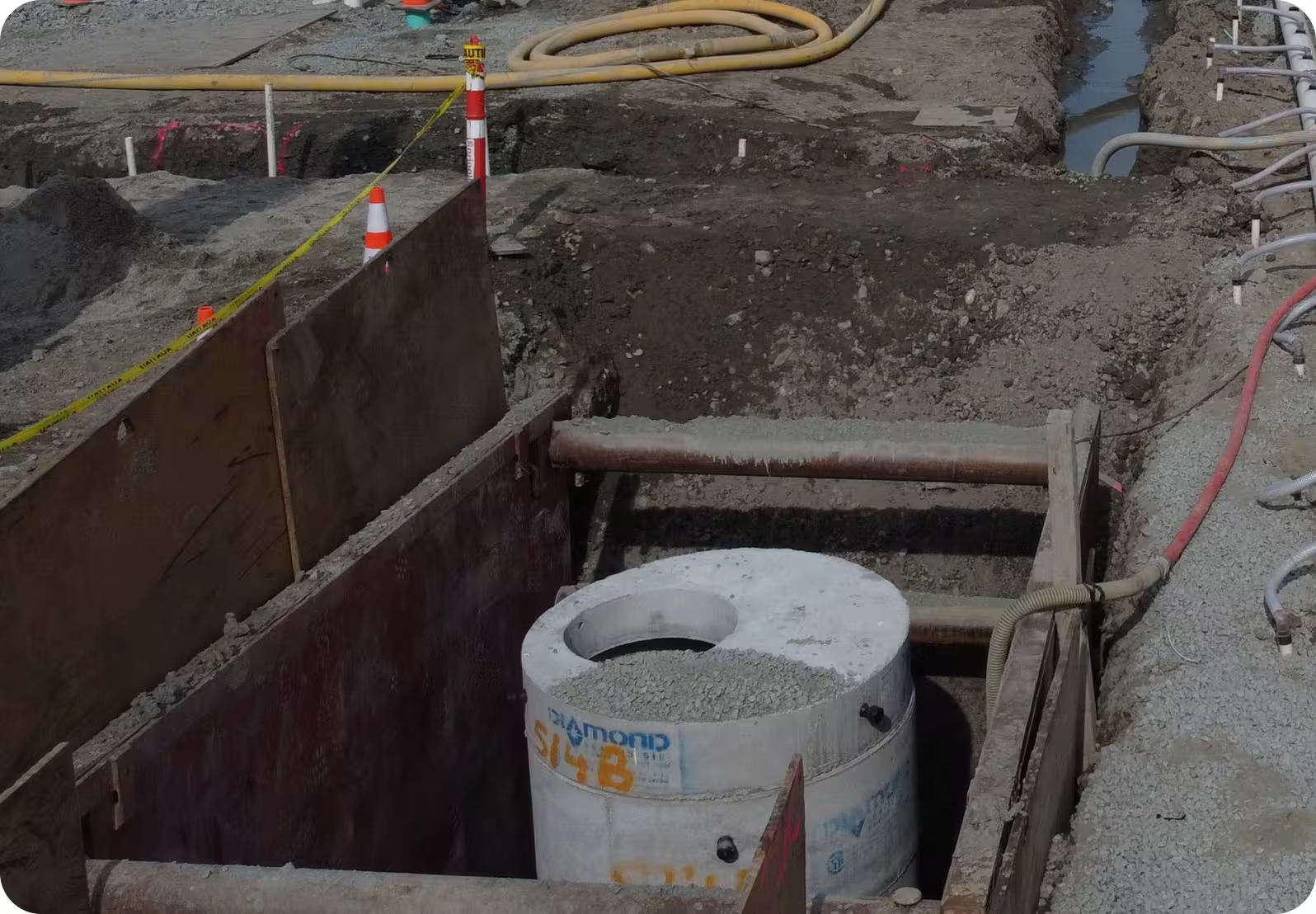
We select the wellpoint layout based on excavation depth, soil gradation, expected inflow, and the drawdown target — number of points, point depth, spacing, header sizing, vacuum capacity, and discharge routing. We also confirm which B.C. authorization tier your daily volume falls into before work starts, because a site that crosses 1,000 m³ per day needs a Water Sustainability Act authorization rather than an exemption. If the site needs temporary groundwater control but wellpoints cannot reach the drawdown target, we will say it early so you do not burn time on a method that cannot hit the number.
Three figures govern almost every wellpoint decision. Drawdown per stage: suction lift caps a single stage at about 5.5 m (18 ft), and less in fine-grained soil — a 9 m excavation needs two stages or deep wells, whatever the quote says. Radius of influence: roughly 6.5 m of influence per metre of drawdown in fine soil, against about 30 m per metre in coarse gravel, which is why the same excavation needs far more points in silt than in gravel. Daily volume: under the Water Sustainability Regulation changes effective 27 February 2026, up to 300 m³ per day falls under a low-volume exemption, 300 to 1,000 m³ per day requires a qualified hydrogeology or geotechnical professional, and anything above 1,000 m³ on any day needs a Water Sustainability Act authorization. Getting that third number wrong is what turns a two-week scope into a permitting delay.

We plan the layout, install the system, and tune performance so groundwater lowering stays consistent as the excavation moves.

Browse the other services in this category and jump to the right scope.
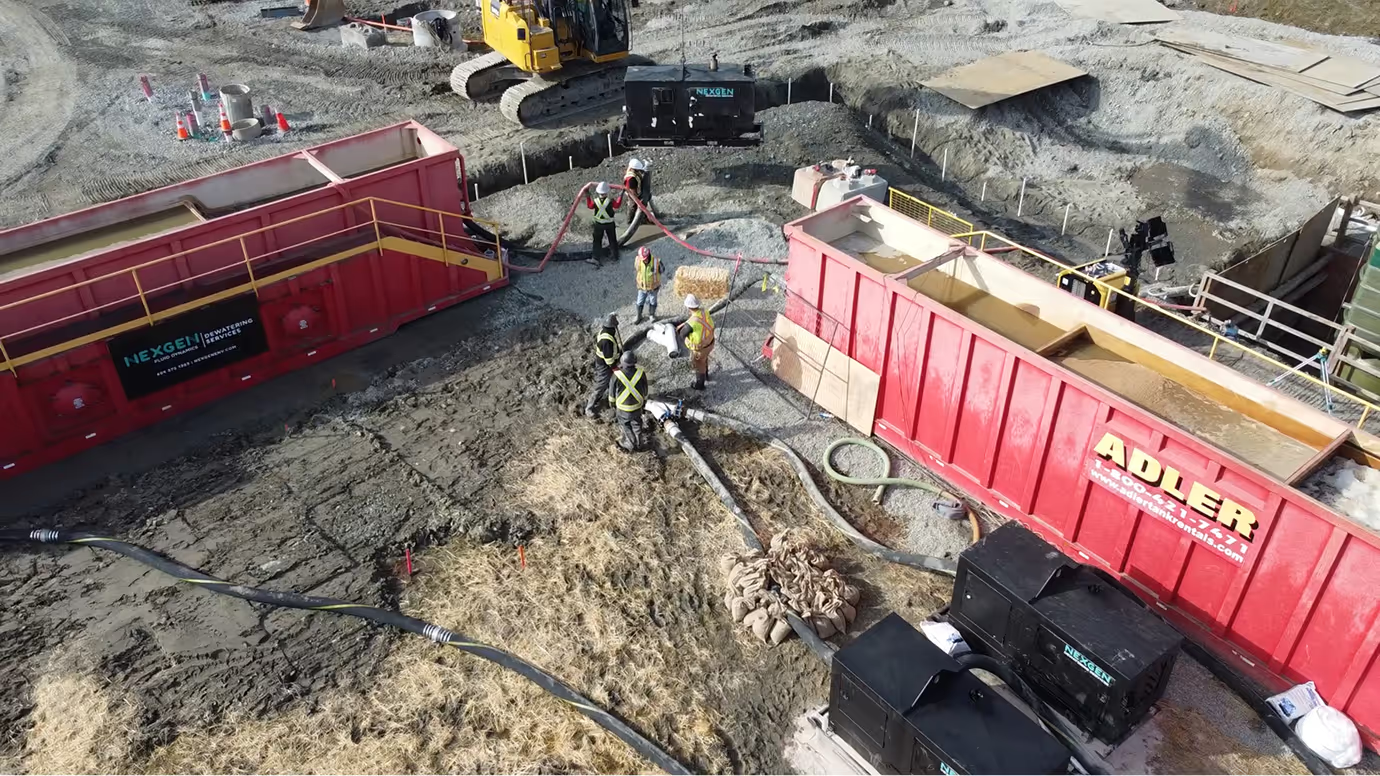


Under changes to the Water Sustainability Regulation effective 27 February 2026, construction dewatering of up to 300 m³ per day may proceed under a low-volume exemption. Between 300 and 1,000 m³ per day, the work must be designed, performed, or directly supervised by a qualified professional in hydrogeology or geotechnical engineering. Above 1,000 m³ on any day — or where the diversion period exceeds 24 months — a Water Sustainability Act authorization is required. Records must be kept for 3 years after the diversion ends, and any exceedance of the daily threshold reported to the nearest FrontCounterBC office within 72 hours.