Bypass Pumping: Keep Live Flow Work Moving Safely
Shutting down a sewer line or water main is a luxury most construction crews never get. Pipes still carry flow, residents still flush, and storm events still hit even while you’re lining a manhole, replacing a force main, or tying in a new service. That pressure to keep work moving while flows continue is exactly where bypass pumping steps in as the quiet hero of live flow projects.
When the temporary system is designed well, crews can work in a dry, safe excavation while wastewater or stormwater is safely redirected around the work zone. When it is not, the project team ends up fielding angry calls from neighbours, anxious regulators, and an operations team staring at a flooded excavation.
TL;DR
- Bypass systems temporarily reroute sewage or water around a work area so crews can complete live flow work without shutting service off.
- Strong design starts with realistic peak flows, emergency backup capacity, and a clear written plan that everyone on site understands.
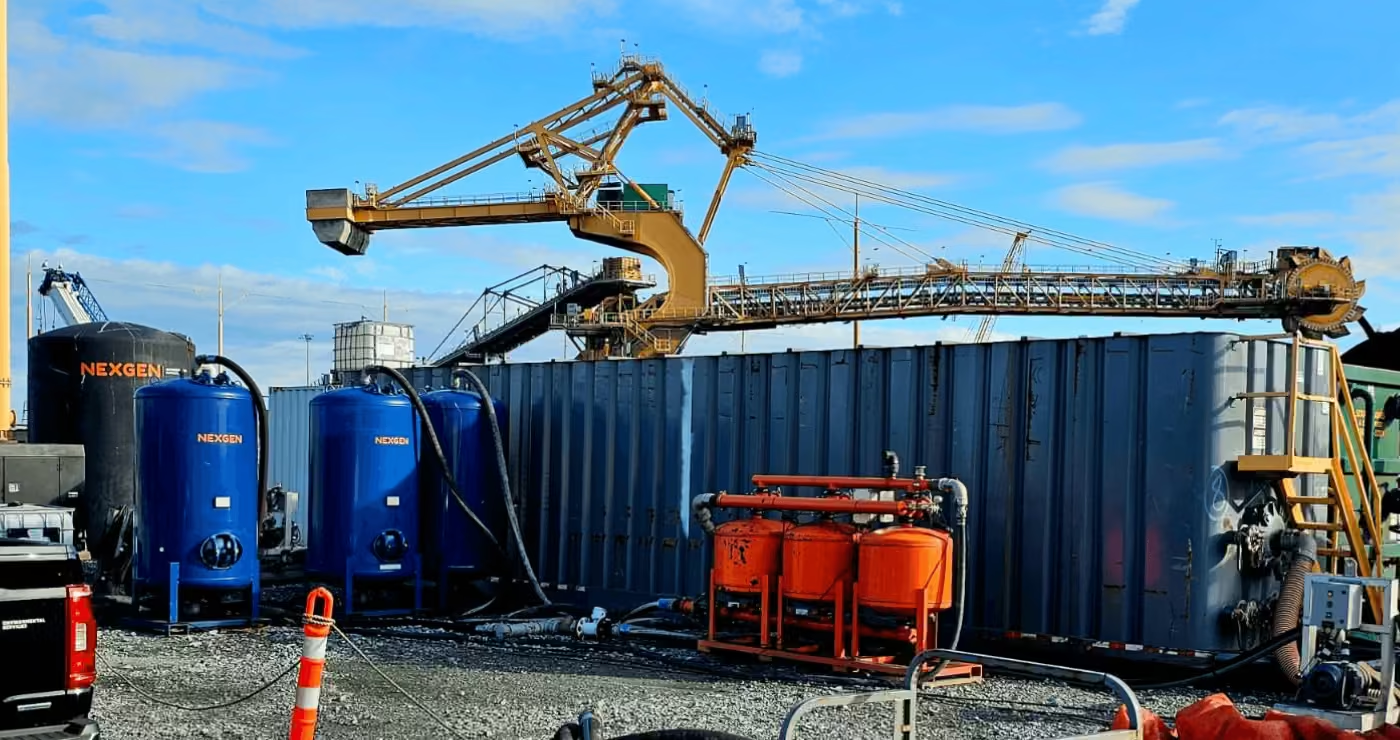
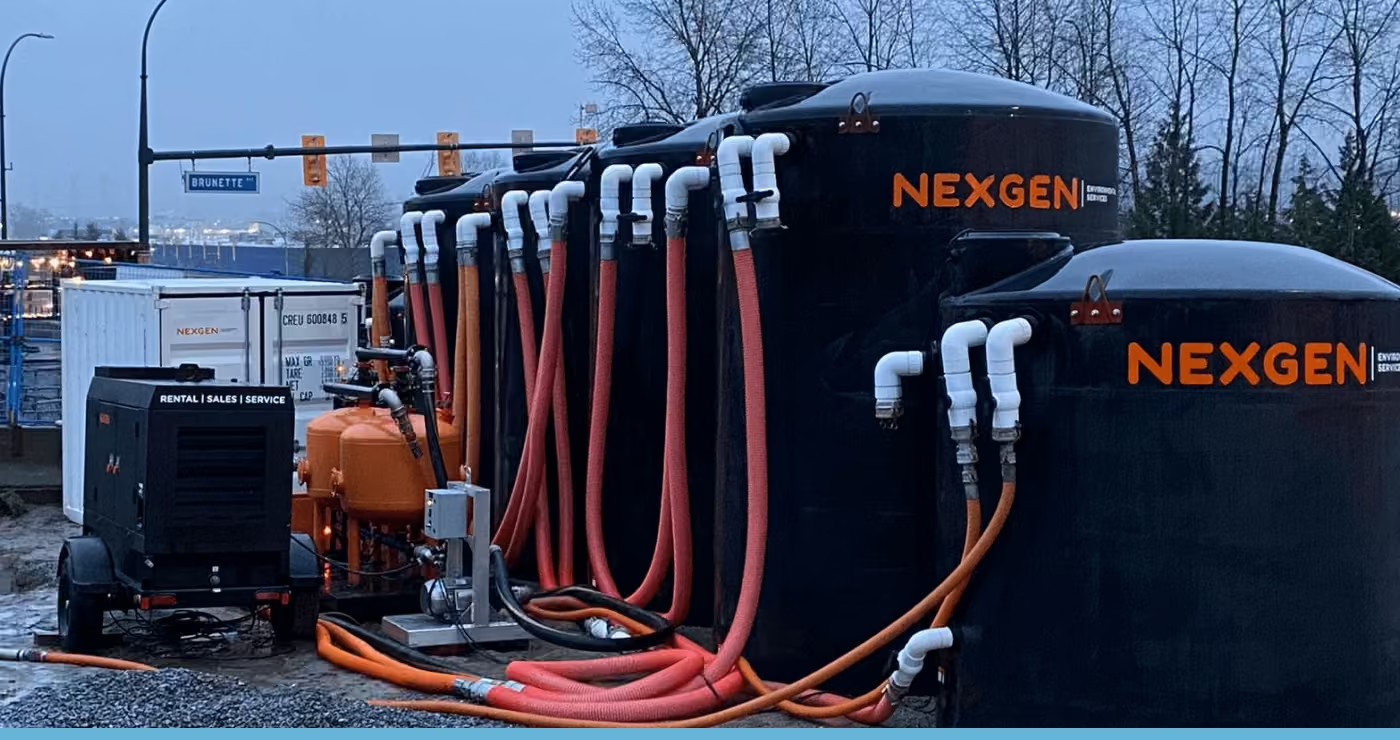
- Filter press units, settling tanks, and chemical treatment often sit downstream of the bypass when sediment or contamination is present.
- Booster pump rental and dewatering pump rentals help match changing site conditions, long discharge runs, and high static heads.
- Working with a specialist means fewer surprises in the field and smoother sign-off from municipalities and regulators.
Table of contents
- What is bypass pumping?
- When do you need construction site bypass pumping?
- How bypass pumping keeps live flow work moving
- Key components of a reliable bypass pumping plan
- Where filter presses and treatment fit in
- Booster pump rental, dewatering pump rentals, and sizing
- Common bypass mistakes that hurt schedules
- How Nexgen designs safe, compliant bypass systems
- Next steps: getting help with your bypass pumping plans
What is bypass pumping?
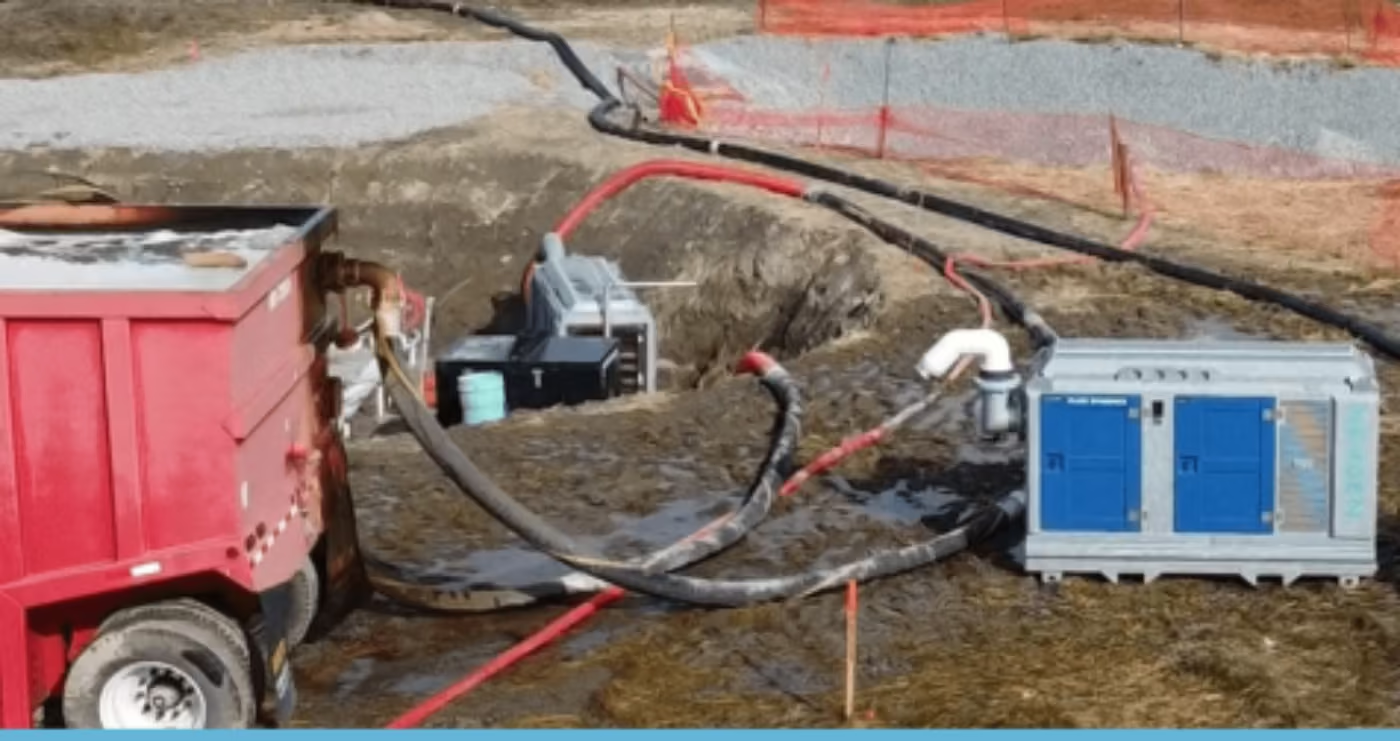
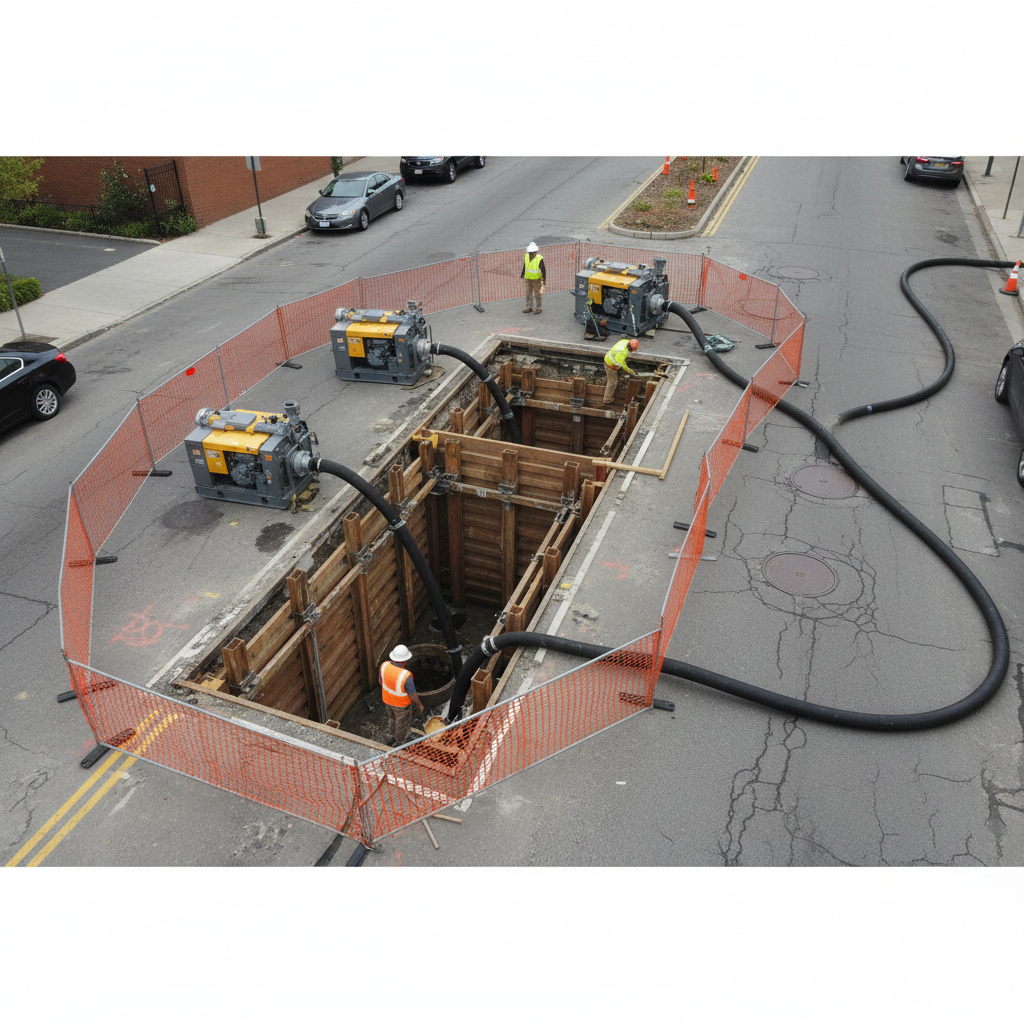
A bypass system is a temporary network of pumps, suction lines, discharge hose, and fittings that intercept flow upstream of the work area and return it downstream. In sewer work, that usually means capturing flow at one manhole, lifting it with diesel or electric pumps, and discharging to another manhole past the construction zone.
The same concept shows up on water projects: moving potable water around a section of main being replaced, or sending flow around a pump station that is offline for upgrades. In every case the goal is simple: keep service running, keep the excavation dry, and keep the neighbours and operators happy.
For a closer look at how these systems are set up on Western Canada projects, see our bypass pumping services.
When do you need construction site bypass pumping?
Construction site bypass pumping shows up any time you need to work on buried infrastructure that carries continuous flow. Common scenarios include:
- Temporary sewer bypasses for cured-in-place pipe (CIPP) lining or pipe bursting.
- Replacing or rehabilitating force mains and gravity mains.
- Upgrading lift stations, pump stations, or treatment plant inlets.
- Storm sewer relining, outfall reconstruction, and culvert replacement.
- Emergency breaks where a quick bypass is the only way to keep basements from backing up.
In Metro Vancouver and across British Columbia, many municipalities now expect a documented bypass strategy as part of the traffic management and construction staging package. That is especially true where spill risk could affect fish-bearing streams or sensitive receiving waters governed by Canadian water quality guidelines.
If your project also has groundwater issues, crews are often running bypass and construction dewatering and treatment services side by side.
How bypass pumping keeps live flow work moving
On site, a good bypass setup almost fades into the background. The crew hears pumps running, sees hoses snaking past the excavation, and keeps working while everything just…works.
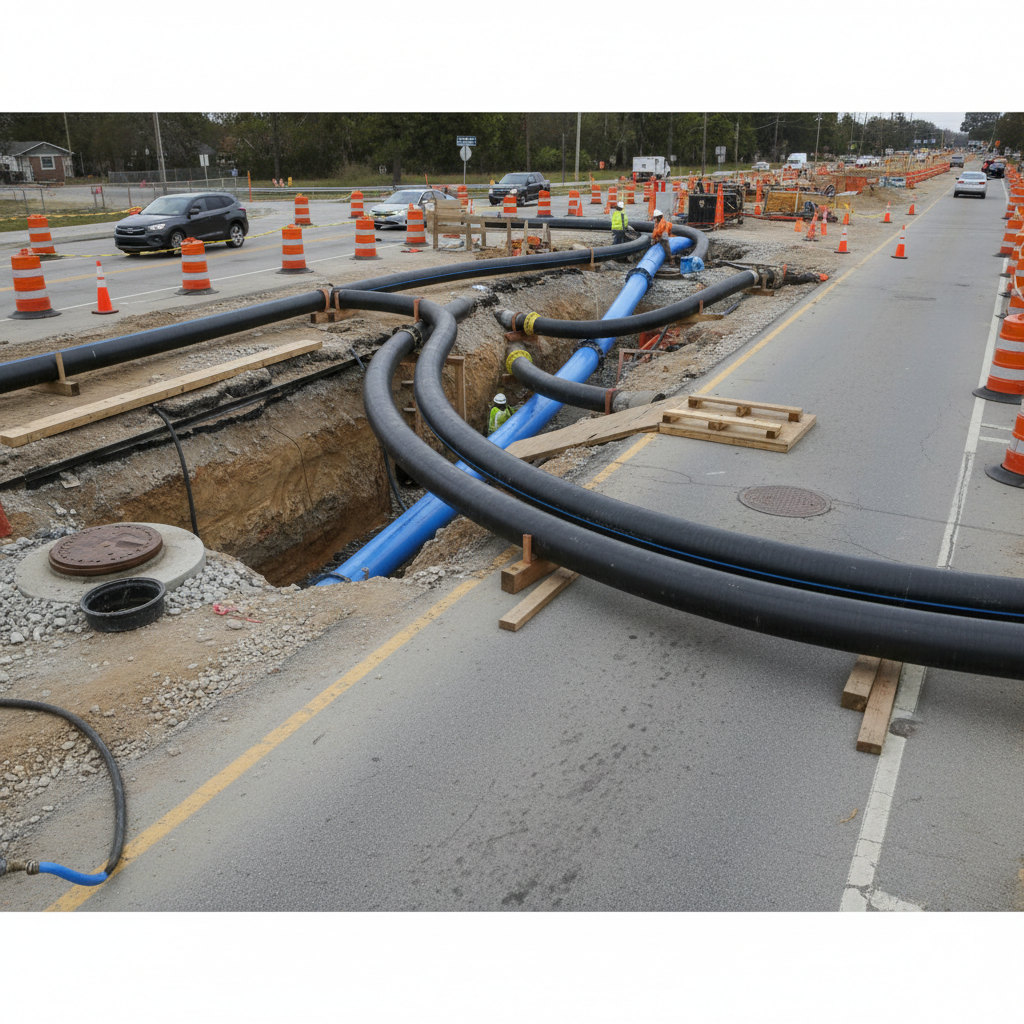
“If the bypass stops, the project stops, and the neighbours notice first.”
Step-by-step: a typical sewer bypass
- Capture: Suction hoses are lowered into the upstream manhole, often through a strainer or suction bell to keep rags and debris out.
- Pumping: Diesel, electric, or hydraulic pumps lift the flow and push it through HDPE or lay-flat discharge hose.
- Conveyance: Hoses run along the surface or in shallow trenches, crossing roads with ramps or pipe bridges where needed.
- Discharge: Flow returns to a downstream manhole or tie-in point past the work area.
- Control: Check valves, air release valves, flow meters, and standby pumps keep things running safely even if operating conditions change.
That simple flow path is supported by a lot of design work behind the scenes: calculating peak wet-weather flows, confirming static head and friction loss, checking for surcharging risk, and planning what happens if a pump trips or a hose fitting fails.
Key components of a reliable bypass pumping plan
The most successful projects start with written bypass pumping plans that the contractor, municipality, and dewatering specialist all agree on. Nexgen often organizes these into a simple 4-Part Live Flow Bypass Plan that covers:
Part 1: Flows and hydraulics
- Expected average flow, dry-weather peak, and wet-weather peak.
- Static lift, total discharge length, and hose or pipe size.
- Allowance for inflow/infiltration and storm events during the work window.
- Realistic design capacity: small bypasses may only see a few gallons per minute, while large municipal trunk bypasses can carry several thousand gpm, so size for peak flow rather than just averages (Wastewater Digest).
Industry guides for sanitary bypass work commonly recommend giving pumps and piping a safety margin above the calculated peak flow, often on the order of 1.5–2.0× the expected peak, or providing standby capacity of 50–100% of peak flow so an N+1 pump can carry the load if a duty unit fails.
Part 2: Equipment and redundancy
- Primary pumps sized for peak flow with headroom for surges.
- Standby pumps plumbed in and ready to start automatically.
- Fuel storage, spill containment, and realistic refuelling plans.
Part 3: Monitoring and communication
- Clear responsibilities for daily checks, alarm response, and record keeping.
- Site-specific emergency procedures for power loss, pump failure, or line breaks.
- Contact list that reaches both site supervisors and municipal operations staff.
Part 4: Environmental and regulatory considerations
In Western Canada, bypass work often falls under municipal bylaws and provincial rules like B.C.’s Environmental Management Act. Plans should speak to spill prevention, noise, odour, and where any treated or untreated water is discharged.
Nexgen’s teams often turn these requirements into simple checklists and pre-start forms that live in the site trailer, not just in a PDF on someone’s laptop. You can request an example during a free consultation.
Where filter presses and treatment fit in
Not every bypass sends clean water from point A to point B. On combined sewers, industrial lines, or sites with contaminated groundwater, the flow often picks up sediment, metals, or hydrocarbons along the way. That is where treatment equipment, including a filter press, enters the picture.
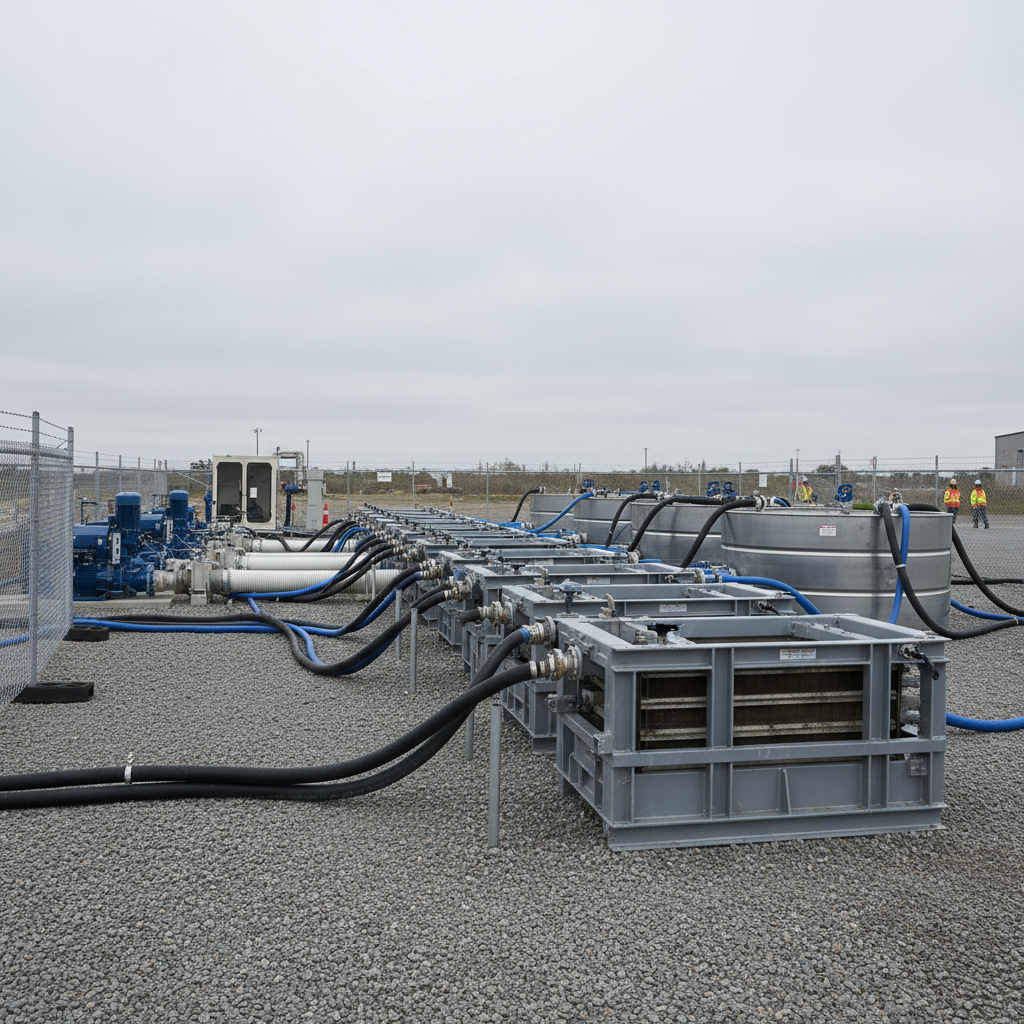
A filter press is a plate-and-frame unit that squeezes water out of sludge or slurry, leaving behind a cake of relatively dry solids. On a bypass, you might see:
- Pumps feeding settlement tanks or weir tanks to knock down coarse solids.
- Chemical dosing to help fine particles bind together.
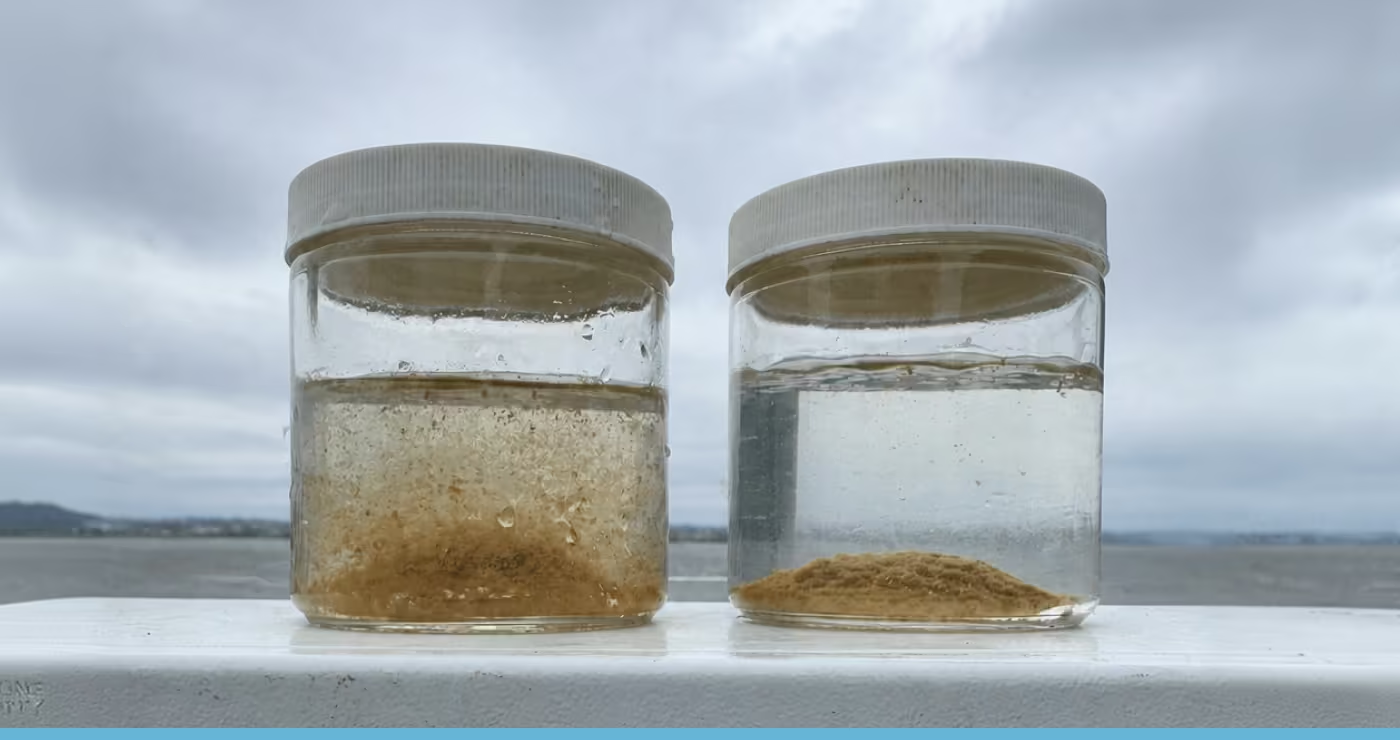
- A filter press taking the concentrated sludge stream and producing dewatered solids for disposal.
The cleaner filtrate can then be discharged (within permit limits) or recirculated. On many projects, contractors pair filter presses with sand media filters, carbon vessels, or specialty resins when they need to meet strict water quality guidelines. Nexgen’s treatment trains typically center on sand media filtration and specialty resins tailored to specific permit limits.
You can see how these pieces fit together in our water treatment system designs, which frequently sit downstream of bypass lines and are often designed to help projects comply with Canadian water quality guidelines.
Booster pump rental, dewatering pump rentals, and sizing
Long discharge runs, steep grades, or multiple elevation changes can push a single pump to its limits. In those cases, project teams look at booster pump rental to share the work. A booster pump sits partway along the discharge line, picking up pressure where the primary pump starts to drop off.
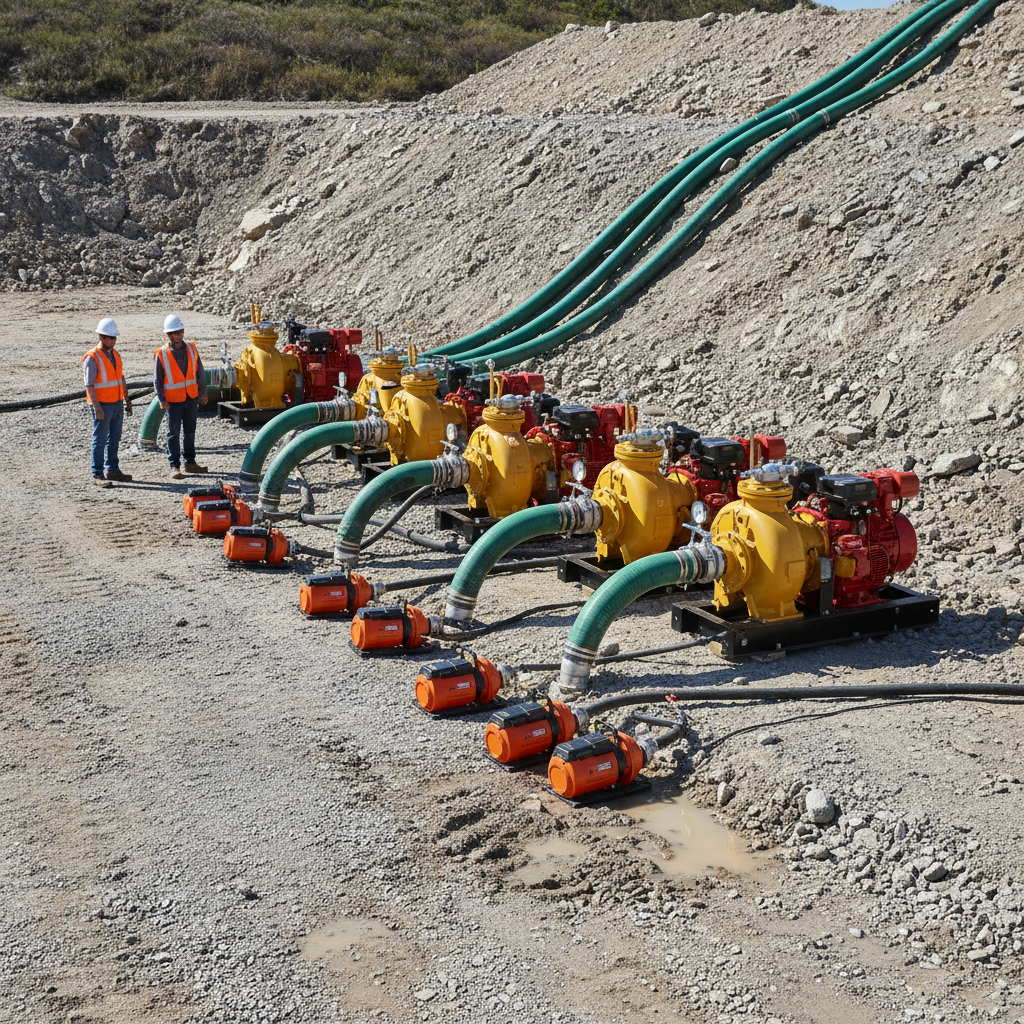
On many projects, the same fleet that supports bypass work also supplies dewatering pump rentals for wellpoint systems, sumps, and trench dewatering. Matching the pump curve to the site conditions matters as much as the horsepower rating on the tag.
Nexgen’s teams typically:
- Confirm flows with field measurements where possible, not just rule-of-thumb estimates.
- Select pump types (trash pumps, high-head, submersible) that handle rags, grit, and air well.
- Provide right-sized suction and discharge lines to keep velocities and friction loss in check.
The end result is a setup that keeps both the bypass and the excavation dewatering side running without fighting each other for power, space, or discharge capacity.
Common bypass pumping mistakes that hurt schedules
After enough night shifts beside open manholes, a few patterns really stand out. Here are some of the missteps that turn live flow work into a headache:
- Underestimating peak flow. Designing off average flow only to be surprised by a storm or evening peak when everyone gets home.
- No true standby pump. Having a spare pump on site, but not plumbed and ready to run automatically.
- Too many fittings and sharp bends. Each extra elbow eats up head and increases risk of rags hanging up.
- Refuelling left to “whenever.” No written plan for fuel deliveries on weekends or overnight shifts.
- Weak housekeeping. Hoses across walkways, trip hazards, and no clear pump access for service trucks.
On one storm sewer rehab in Metro Vancouver, a crew nearly lost a weekend shift when a surge overwhelmed an undersized bypass. The fix was not fancy: upsized suction, an extra standby pump, and better level monitoring. Since then, that contractor insists on a formal bypass review before mobilizing.
Good practice here lines up with safety expectations from groups like WorkSafeBC, which stress clear access, housekeeping, and equipment checks around pumps and fuel storage.
How Nexgen designs safe, compliant bypass systems
Nexgen Environmental focuses almost exclusively on dewatering, bypass, and treatment work across Western Canada, so our field teams see the same challenges contractors do: tight streets, sensitive waterways, and short work windows.
Our typical process
- Site assessment. Walk the alignment, measure manhole depths, note overhead/underground conflicts, and talk through staging with the superintendent.
- Flow and treatment review. Estimate or measure flows, confirm whether treatment (such as a filter press or media filtration) is required, and identify discharge options.
- Bypass layout and equipment list. Prepare a simple plan showing pump locations, suction points, hose routing, and standby capacity.
- Field installation and monitoring. Our technicians install, test, and commission the system, then provide ongoing checks, fuel, and adjustments as conditions change.
Because Nexgen also designs wellpoint systems, frac tank layouts, and treatment trains, we can connect the dots between your bypass, your excavation dewatering, and your regulatory requirements instead of treating each piece in isolation.
If you are an engineer or municipal reviewer, we can support you with submittals that explain the assumptions, calculations, and contingencies built into the design.
Next steps: getting help with your bypass pumping plans
Live flow work will always feel a little tense. There is a lot riding on pumps you do not own, flows you cannot turn off, and weather you cannot control. Solid planning and experienced support take much of that stress off your plate.
If you are planning a project in Metro Vancouver, elsewhere in British Columbia, or in Alberta and need to sort out bypass, dewatering, or treatment, the Nexgen team is happy to talk through options early in design.
Key takeaway
When bypass pumping, dewatering pump rentals, and treatment equipment are designed together, crews stay dry, regulators stay comfortable, and your schedule keeps moving.
Request a Free Consultation to review your upcoming work and sketch out practical, buildable bypass pumping plans with our field specialists.
About the Nexgen Environmental Field Team
Nexgen Environmental has supported contractors, municipalities, and industrial clients across Western Canada with dewatering, construction site bypass pumping, and water treatment since 2016. Our technicians and project managers spend most of their time on active job sites, designing and running systems that keep excavations dry and communities protected while work gets done.
To see how we approach other groundwater and treatment challenges, visit our resource library.
FAQs
What is bypass pumping in construction?
Bypass pumping is a temporary pumping setup that redirects live sewage, stormwater, or water flow around a work area. It allows crews to repair, replace, line, or connect pipes while keeping service active and the excavation dry.
When is construction site bypass pumping needed?
Construction site bypass pumping is needed when crews are working on active sewer lines, storm systems, force mains, lift stations, pump stations, or water infrastructure that cannot be fully shut down. It is especially important when flows must continue safely around the work zone.
What should be included in bypass pumping plans?
Strong bypass pumping plans should include expected flow rates, peak wet-weather flow, pump sizing, hose routing, standby pumps, fuel planning, monitoring, emergency response steps, discharge locations, and environmental controls. The goal is to keep the system reliable even if site conditions change.
Why is backup equipment important in bypass pumping?
If the bypass system fails, the project can stop quickly and may create flooding, spills, or service disruptions. Backup pumps, standby capacity, alarms, and clear emergency procedures help protect the site, nearby properties, and municipal infrastructure.
Can bypass pumping be combined with dewatering or water treatment?
Yes. Many projects need bypass pumping, dewatering, and water treatment running together. If the flow contains sediment, sludge, metals, hydrocarbons, or contaminated groundwater, equipment like settling tanks, sand filters, chemical dosing systems, or filter presses may be added to manage discharge safely.
How does Nexgen support bypass pumping projects?
Nexgen helps design, install, monitor, and adjust bypass pumping systems for live flow construction projects. Their team reviews site conditions, estimates flow, selects pumps and hoses, plans standby capacity, and coordinates bypass, dewatering, and treatment so crews can keep working safely and efficiently.