TL;DR:
- Start with how water actually moves across your site, then build your ESC plan around that.Think in four steps: prevent erosion, control sediment, treat water if needed, and maintain everything during weather events.Use a mix of measures: perimeter controls, stabilized access, inlet protection, basins, and rapid stabilization (seed, mulch, blankets).Document, monitor, and adjust, that is what inspectors and regulators in Western Canada expect to see.
- Think in four steps: prevent erosion, control sediment, treat water if needed, and maintain everything during weather events.
- Use a mix of measures: perimeter controls, stabilized access, inlet protection, basins, and rapid stabilization (seed, mulch, blankets).
- Document, monitor, and adjust, that is what inspectors and regulators in Western Canada expect to see.
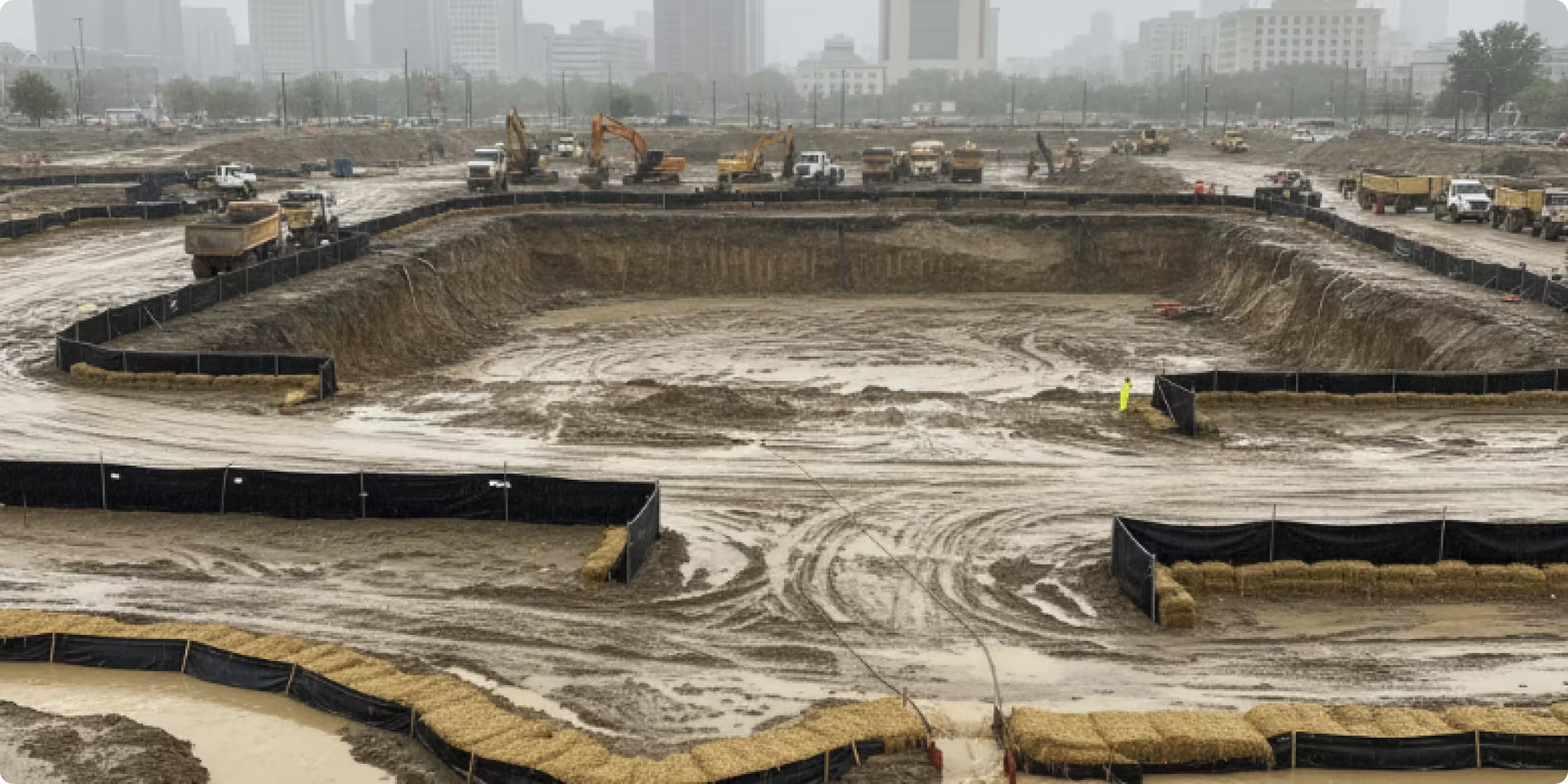
On a wet November morning, every contractor in Metro Vancouver is thinking about one thing: keeping mud out of the storm drains. Good sediment control is the line between a clean discharge and a muddy plume heading toward a salmon stream, and between a routine inspection and a five‑figure fine.
The challenge is that field crews already juggle schedules, trades and neighbours. ESC rules, monitoring requirements and design drawings often feel like one more stack of paperwork. The truth is, a practical plan built around how your site actually drains will usually save time, hassle and rework.
This guide walks through field-tested strategies for construction sites in British Columbia and Alberta: why ESC requirements matter, how to build a practical ESC plan that inspectors respect, and which measures stand up when the rain really hits.
Table of contents
- What is sediment control on construction sites?
- Why erosion and sediment control matters in Western Canada
- Key pieces of an erosion and sediment control plan
- Sediment control best practices during construction
- Sediment control and dewatering: handling pumped water
- Stabilization strategies that keep soil in place
- Common sediment control mistakes contractors make
- Next steps: strengthening your erosion and sediment control plan
What is sediment control on construction sites?
Sediment is simply soil that has been displaced. Once it starts moving with stormwater or groundwater, it can clog storm sewers, fill ditches and impact fish habitat. Sediment control is about keeping that material on site long enough for it to settle or be captured.
On most projects in B.C. and Alberta, sediment control sits inside a broader erosion and sediment control (ESC) program. Erosion measures focus on keeping soil in place; sediment measures act as a safety net when soil does move.
Typical sediment measures on construction sites include:
- Perimeter controls such as silt fence or fibre rolls
- Stabilized construction access to limit tracking onto roads
- Catch basin and manhole inlet protection
- Sediment traps, tanks or basins for collected water
For an overview of how ESC fits into wider stormwater management, the Capital Regional District’s erosion and sediment control resources are a useful reference. If you need help turning those concepts into a buildable field setup, Nexgen’s sediment control services can support design, installation and maintenance across Western Canada.
Why erosion and sediment control matters in Western Canada
In the Lower Mainland and many parts of Alberta, heavy rain can arrive with little warning. Combine that with steep slopes, tight urban lots and sensitive receiving waters, and you have a recipe for turbid discharges if controls are not ready before excavation starts.
Municipalities across the region, from the City of North Vancouver to West Vancouver and Surrey, now require an erosion and sediment control plan for most new developments and major renovations. Many bylaws include:
- Requirements to keep sediment-laden water out of storm drains and watercourses
- Monitoring of turbidity or total suspended solids (TSS) during constructionPenalties that can reach tens of thousands of dollars per offence
Those expectations are backed by numeric limits. For example, Abbotsford’s erosion and sediment control bylaw generally prohibits discharging water to the drainage system with turbidity greater than 25 NTU in normal conditions, with a temporary allowance up to 100 NTU during designated significant rainfall events when additional monitoring is in place.
Some municipalities also pair those limits with substantial penalties. The Township of Langley’s erosion and sediment control bylaw allows fines ranging from $2,000 to $10,000 per day for each day an offence continues, in addition to remediation costs.
At the federal level, Fisheries and Oceans Canada has issued guidance on planning for land-based erosion and sediment control near fish-bearing waters, while the Canadian Council of Ministers of the Environment publishes water quality guidelines that regulators use when setting discharge limits. Those guidelines typically limit short‑term increases in total suspended solids to about 25 mg/L above background levels in clear-flow conditions.
On a recent infill project in Metro Vancouver, a contractor was dewatering a deep excavation into the storm system during an atmospheric river. Turbidity readings crept close to municipal limits during the first storm, so the team added an extra settling tank and check dams upstream of the discharge. Those modest changes kept later storm events within the bylaw thresholds and helped the project avoid a stop‑work order.
The takeaway for contractors is simple: well-planned ESC is now a cost of doing business, just like traffic control or insurance.
Key pieces of an erosion and sediment control plan
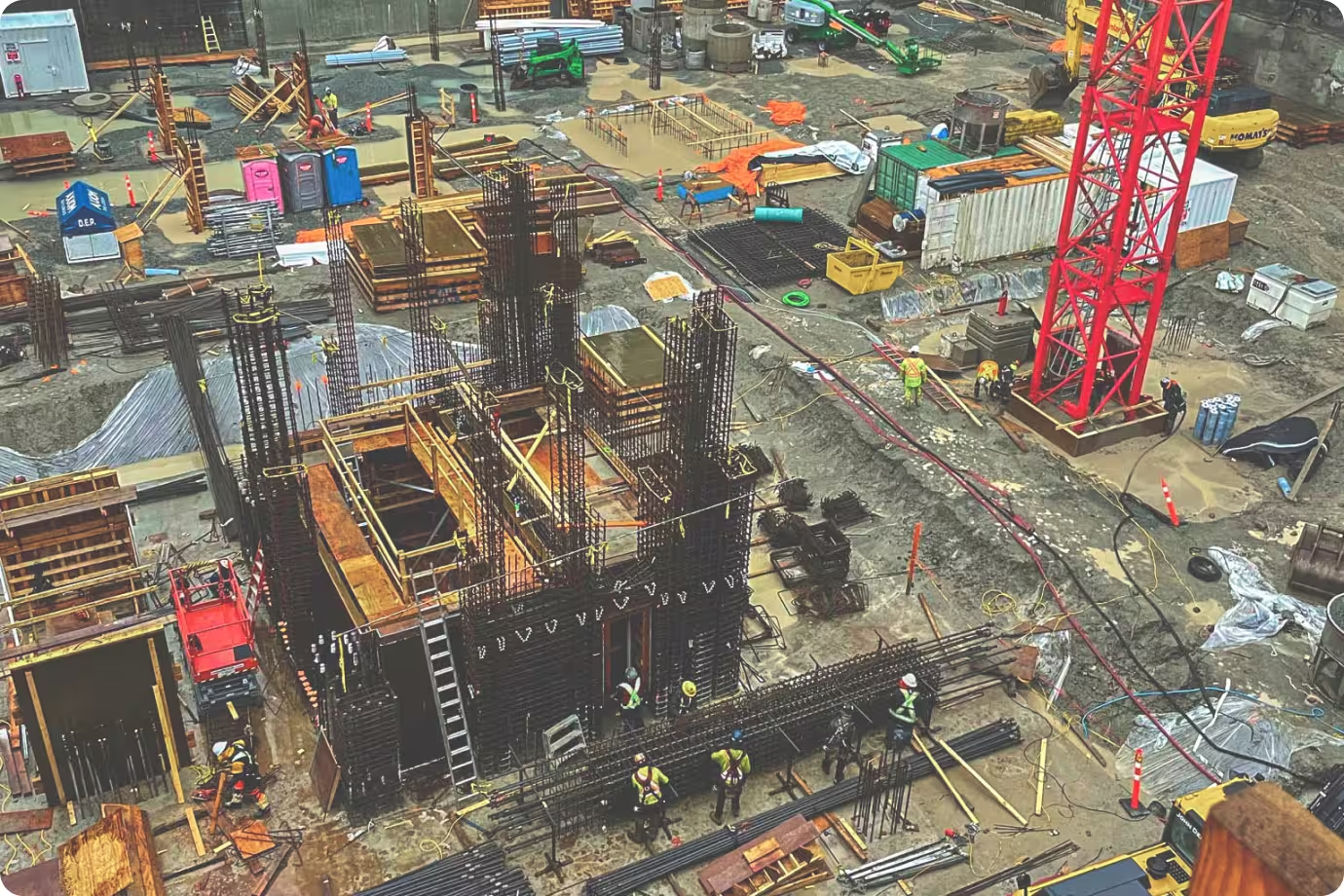
An erosion and sediment control plan is more than a drawing with a few silt fences sketched in. A practical plan answers four questions:
- Where is the water coming from? Rainfall, groundwater inflow, neighbouring properties, uphill roads and roofs.
- Where can it carry sediment? Exposed slopes, stockpiles, haul routes, utility trenches and low points.
- How will it be controlled or treated? Perimeter controls, check dams, basins, tanks and filtration or treatment systems.
- Who is responsible for inspections and maintenance? Names, frequencies and triggers (e.g., before storms, after storms, weekly).
Most municipalities expect the plan to include:
- Site layout with drainage arrows and sequencing of earthworks
- Locations and details for ESC best management practices (BMPs)
- Inspection and maintenance checklist
- Monitoring program (what, where, how often, and who reports)
On more complex or high‑risk projects, involving a specialist early, for example, a dewatering and erosion and sediment control partner, can keep the plan realistic, especially when pumped water or treatment systems are part of the scope.
“The best erosion and sediment control plan is the one your crews can actually build, maintain and explain to an inspector in the rain.”
Sediment control best practices during construction
Every site is different, but a few sediment control strategies show up again and again on successful projects.
1. Perimeter controls that match the risk
Perimeter controls are your last line before sediment reaches a road or watercourse. Options include:
- Silt fence for relatively gentle slopes and smaller catchments
- Fibre rolls or wattles across slopes or around stockpiles
- Temporary berms to redirect flows into traps or basins
Whatever you choose, key details matter: proper trenching, staking, overlaps and tying into high ground. Poorly installed fence laid flat on the ground does little for you or the receiving waters.
2. Stabilized construction access
Tracking fines onto municipal roads is one of the fastest ways to draw attention from inspectors, and neighbours. A well-designed access typically includes:
- Geotextile underlay and coarse rock to knock mud off tires
- A wheel wash system or rumble strip for busy, high‑traffic sites
- Regular scraping and top‑up to keep the pad working
3. Inlet and manhole protection
Catch basins and manholes receiving site runoff should be protected with inserts, dams or socks. On public streets, protection must still allow flow during storms; ponding water across a lane creates its own safety risk. Check municipal standards and, when in doubt, coordinate with the engineering department.
4. Sediment traps, tanks and basins
Where you have concentrated flows, for example, from a trench, slope drain or dewatering discharge, provide a spot for sediment to settle before water leaves the site. This can range from a simple rock check dam with a small pool to larger tanks or a purpose-built basin.
Design guidance from groups such as the Erosion and Sediment Control Association of BC (ESCA BC) can help with sizing and layout, especially for larger drainage areas.
On many jobs, Nexgen pairs these physical controls with temporary dewatering systems and water treatment units to handle higher flows or tighter discharge limits.

Sediment control and dewatering: handling pumped water
Once you start pumping, the risk profile changes. Groundwater and stormwater can carry fine silts and clays that take a long time to settle on their own, especially during sustained rain.
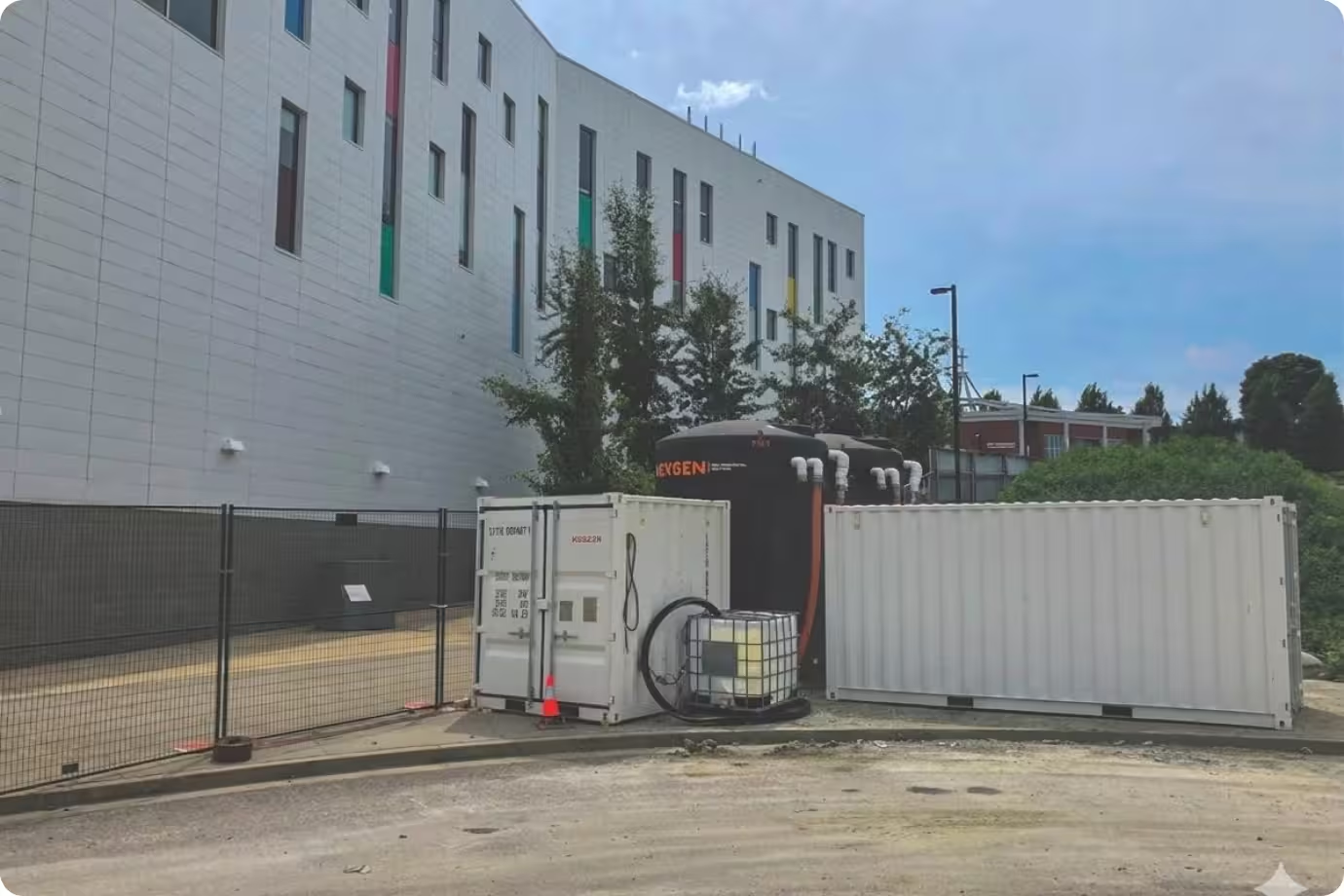
A dewatering setup where pumps route excavation water through settling tanks and filtration before discharge.
1. Separate “clean” and “dirty” water
Where possible, keep clean runoff (from roofs or upslope areas) out of excavations and work zones using swales, berms or temporary piping. That leaves you with a smaller volume of turbid water to manage, which usually means smaller tanks and lower treatment costs.
2. Know your treatment options
For pumped flows, contractors commonly use:
- Settling tanks or weir tanks for coarse particles
- Sand media filters or bag filters for finer material
- Chemical treatment (coagulants or flocculants) for very fine clays or when meeting strict turbidity/TSS limits
Any treatment system must be sized for realistic pump rates, not just ideal conditions. In practice, that means checking how many pumps may run at once and what happens during a heavy storm on top of groundwater inflow.
3. Monitoring and discharge points
Many local bylaws and permits require turbidity or TSS monitoring at the discharge point. Keep sampling locations safe and accessible, and document readings in a simple log. This is often what inspectors and regulators ask for first.
Given how quickly flows and water quality can change, many contractors bring in a specialist dewatering partner for design, setup and operation of treatment systems, while their own crews focus on production work. For a broader look at how regulations and technology are evolving, you can also review our overview of dewatering service trends in British Columbia.
Stabilization strategies that keep soil in place
The most reliable way to cut sediment is to protect exposed soils so they never wash away in the first place. Good erosion prevention makes every downstream sediment measure work better.
Common stabilization tools include:
- Phased clearing and grading so only the area you need right now is open
- Temporary seeding and mulch on stockpiles and idle slopes
- Erosion control blankets on steeper slopes or high‑risk areas
- Gravel surfacing on haul roads, laydown areas and around building pads
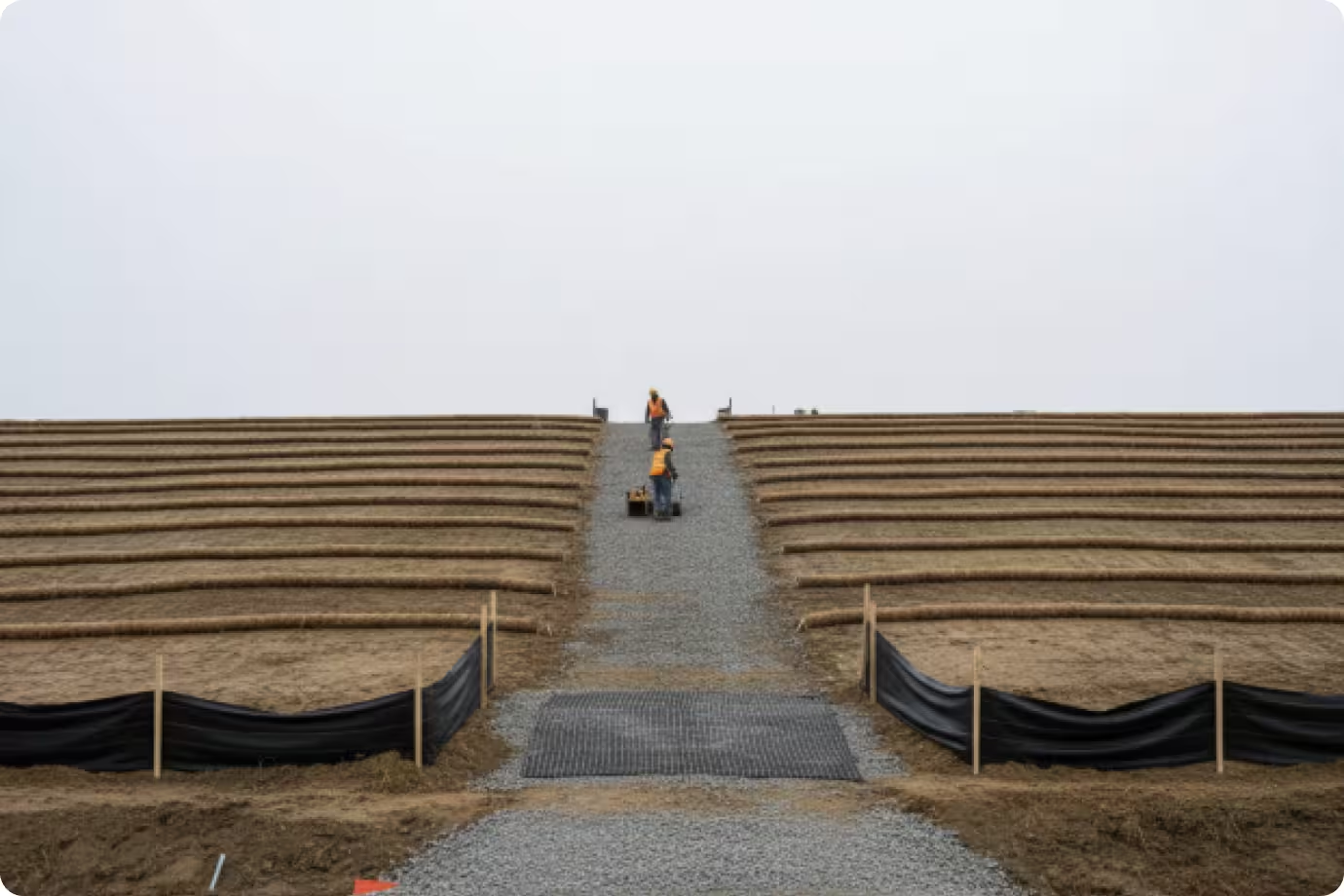
Stabilizing exposed slopes with erosion control blankets, mulch and vegetation reduces how much sediment ever needs to be captured.
Many projects in wetter parts of B.C. now treat erosion prevention and sediment control as a combined system, not separate line items. That mindset lines up with federal guidance from Fisheries and Oceans Canada, which emphasizes drainage control and erosion prevention before treatment measures.
Common sediment control mistakes contractors make
After supporting many projects across Western Canada, a few patterns show up repeatedly:
- Waiting too long. Controls show up after excavation starts, instead of being in place before the first bucket of soil is removed.
- Undersized systems. Tanks, basins or filters sized for average flows, not the combination of pumps and rainfall the site actually sees.
- No maintenance plan. Silt fence fills up with sediment, rock pads clog, and inlet protection becomes a solid mat.
- Plans that don’t match the field. The drawing shows BMPs the crew can’t build with the time, access or budget they have.
The fix is rarely dramatic. A short, site-specific checklist, regular walk‑throughs before and after storms, and clear ownership usually make the biggest difference.
Next steps: strengthening your erosion and sediment control plan
If you are reviewing your erosion and sediment control plan for an upcoming project, a simple framework can help:
- Prevent: Limit exposed soil and manage drainage to reduce erosion.
- Control: Use perimeter BMPs, stabilized access and inlet protection to contain sediment.
- Treat: Where needed, use traps, tanks, filtration and treatment to meet water quality targets.
- Maintain: Inspect, repair and document, especially during shoulder seasons and major storms.
For projects with deep excavations, high groundwater, tight urban sites or strict discharge limits, bringing in a specialist can protect both your schedule and your regulatory standing. Nexgen’s team designs and operates integrated dewatering, erosion and sediment control and water treatment systems and equipment across Metro Vancouver and Alberta, working to municipal bylaws and Canadian water quality guidelines.
Need help with an upcoming tender or live site? Request a free consultation and we’ll review your drawings, discuss bylaw requirements and outline practical options that match your site conditions and risk profile.
Key takeaway
The best sediment solutions are not the most complicated ones, they are the ones your crews can build, monitor and stand behind when the next storm rolls in.