Strategic fluid management systems keep complex construction sites working through wet conditions instead of scrambling to react.
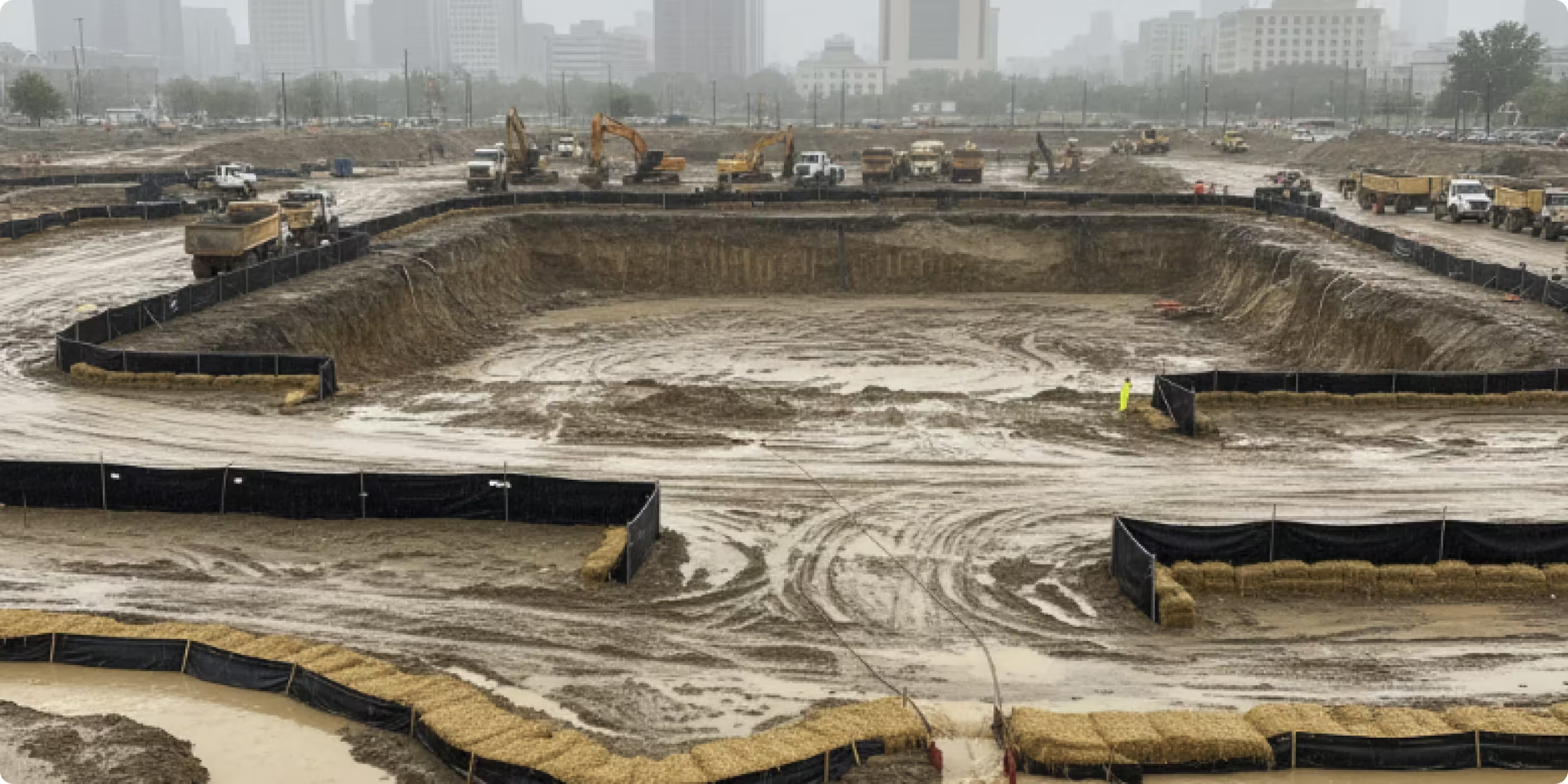
If you’ve ever watched a crew scramble to sandbag a trench while concrete trucks idle on the road, you know how quickly water can take over a site. One unexpected high groundwater pocket, one storm that hits before the system is ready, and the schedule you fought for in pre-construction can start slipping away day by day. On complex jobs with tight right‑of‑way, buried utilities, and strict environmental permits, that slip gets expensive fast.
In Western Canada we see this weekly: projects that are well designed on paper, but where water isn’t given the same planning time as structures or traffic staging. This article looks at how a strategic approach to fluid management keeps your crews working, keeps inspectors comfortable, and keeps you out of “all hands on deck” emergency mode.

TL;DR: Why this matters for your next project
- Most costly water problems on site are predictable if you plan them early, just like structures or utilities.
- Modern fluid management systems go beyond pumps, they integrate wellpoints, bypass lines, filtration, treatment, and monitoring.
- The payoff: fewer change orders, fewer shutdowns, lower environmental risk, and inspectors who see control instead of chaos.
- Specialist partners can design and operate turnkey fluid management solutions so your team can focus on building.
Table of contents
- Why water issues derail complex sites
- What is fluid management on construction sites?
- 5 signs you need a fluid management system
- How strategic planning prevents schedule hits
- Choosing the right partner in Western Canada
- Key questions to ask on your next project
Why water issues derail complex sites
Think back to the last project that went sideways on time. Chances are the original Gantt chart didn’t say “Week 14–16: deal with unknown groundwater and angry neighbours.” Instead, crews hit a high water table, or an unexpected inflow through an old utility, and suddenly excavation, shoring, and concrete all stacked up behind one muddy hole.
“Site complexity doesn’t delay projects, uncontrolled water does.”
Water problems hit budgets three ways:
- Lost production: crews and equipment stand by while excavations are pumped out or re‑shored.
- Rework: sloughing, heave, or contamination forces you to re‑excavate or re‑pour foundations.
- Compliance risk: turbid or contaminated discharge draws the attention of regulators and can lead to work stoppages.
Global analyses suggest that roughly 45% of construction projects worldwide are affected by weather‑related delays, many of them tied directly to excess water on site (zurichna.com). One recent review also estimated that weather conditions contribute to around 60% of construction cost overruns globally, so every avoidable water‑related stoppage carries outsized financial risk (premiercs.com).
On top of that, Western Canadian projects deal with freeze–thaw cycles, intense rain events, and tight corridors in urban areas. That mix makes ad‑hoc pumping and a couple of hoses a risky way to manage groundwater and stormwater. When sites are complex, water needs the same level of engineering as any other critical system.
Regulatory expectations have also grown. Discharge water is often checked against CCME water quality guidelines or municipal bylaws, and inspectors now expect to see treatment trains, not just a ditch and a pump. Without a plan, those expectations often show up as delays.
What is fluid management on construction sites?
Fluid management is the coordinated control, movement, treatment, and discharge of all water on your job: groundwater, stormwater, process water, and contaminated liquids from previous land uses. On many Western Canadian projects, that means combining dedicated environmental dewatering services with the right equipment rentals.
An integrated fluid management system ties together wellpoints, tanks, filtration, and treatment so groundwater, stormwater, and contaminated flows are handled as one engineered process.
Effective fluid management systems usually combine several building blocks:
- Dewatering: wellpoint systems, deep wells, or sump pumping to keep excavations stable and workable.
- Bypass pumping: temporary systems to reroute sanitary or storm flows around tie‑ins and shutdowns.
- Sediment and erosion control: tanks, filters, geotextiles, and surface controls to keep fines out of receiving waters.
- Chemical treatment: polymers, coagulants, and pH control to meet water quality limits for turbidity and metals.
- Monitoring and controls: flow metering and sampling to document compliance and adjust the system in real time.
The best fluid management solutions are designed as a single integrated system, not a pile of rented pumps dropped on site at the last minute. That integration is what lets you predict performance and avoid expensive surprises mid‑project.
5 signs you need a fluid management system, not just “a pump or two”
How do you know when a job calls for full fluid planning rather than a quick call to the rental yard? Here are five red flags we watch for during tender reviews and pre‑construction meetings:
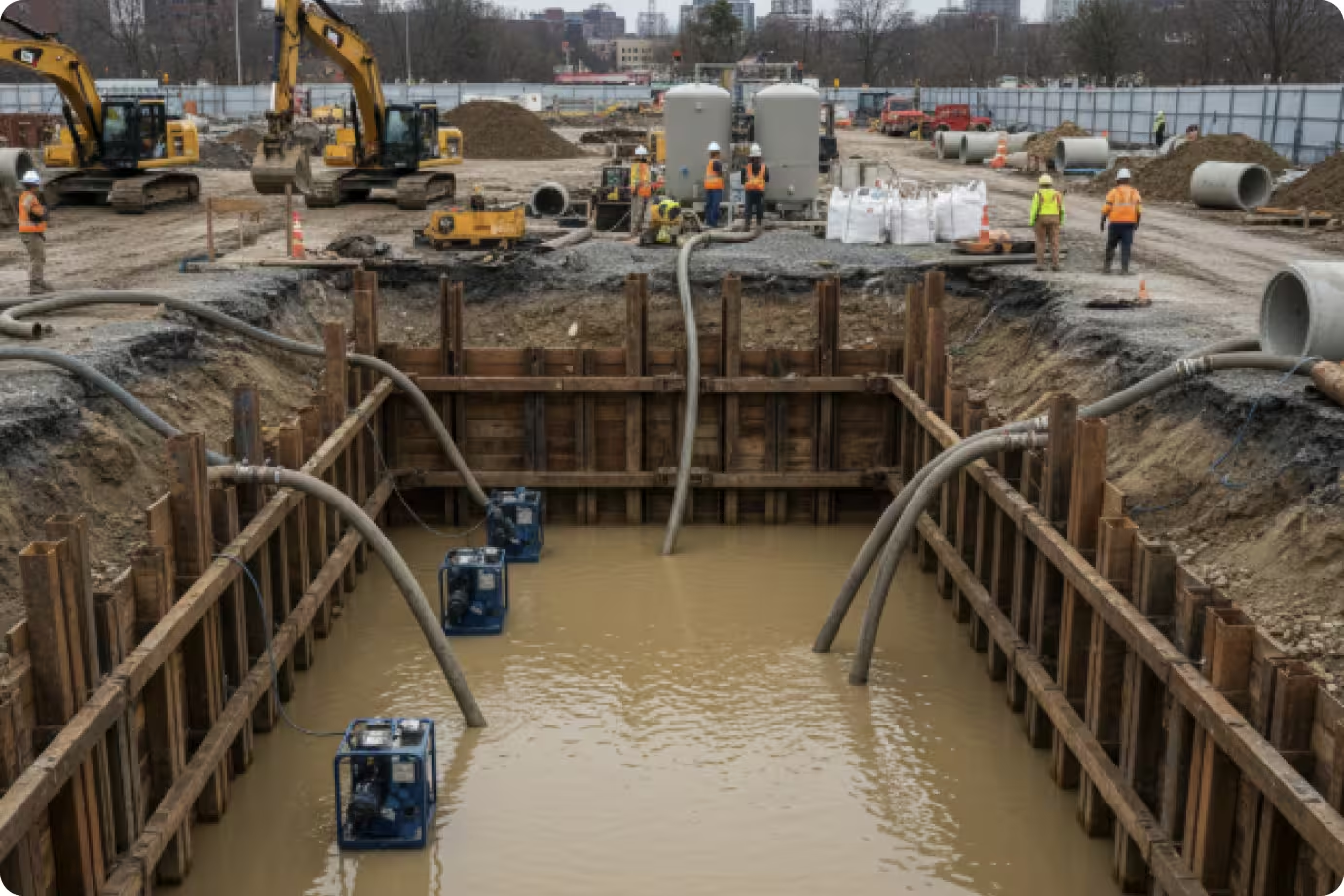
Deep utility trenches with visible groundwater and limited working room are prime candidates for a designed fluid management system rather than ad‑hoc pumping.
- Deep or staged excavations. Underground parkades, lift stations, or utility corridors that go below the water table usually need a designed dewatering program with monitoring, not just a pit pump.
- Contaminated or industrial sites. If environmental reports mention metals, hydrocarbons, or unusual chemistry, you’ll likely need a treatment train and clear handling plan for separated solids.
- Tight sites in urban areas. Limited laydown room forces smarter layouts for tanks, manifolds, and hose routing to keep access clear and neighbours happy.
- Discharge to sensitive receivers. Streams, fish‑bearing channels, or storm systems with strict bylaws call for contaminated treatment systems and proper documentation.
- High schedule risk. Night works, rail possessions, and shutdown windows leave no room for “we’ll deal with water when we get there.” If time windows are narrow, the water plan should be detailed.
If you’re nodding along to more than one of these, that’s a good cue to bring in a specialist early, ideally alongside your geotechnical and civil design teams.

How strategic planning prevents schedule hits
When done well, fluid planning moves you from reacting to problems to calmly executing a known sequence. We use a simple Plan–Design–Operate framework, with three pieces that make a big difference on complex projects.
1. Plan: start with data, not guesswork
A reliable system starts with groundwater levels, soil profiles, and expected flows. Pair the geotechnical report with site visits and local knowledge, for example, how nearby projects behaved in similar formations. From there, specialists can size pumps, storage, and treatment to handle both average and peak conditions.
This is also where regulatory conditions are built into the design. Discharge limits from municipal discharge guidelines, provincial permits, and guidance from groups like the BC Ministry of Environment directly shape tank volumes, filter selection, and chemical dosing systems.
Capturing that information early also lets you challenge optimistic assumptions in schedules and tenders. If drawdown will take two weeks or spring freshet will raise inflows, it is far easier to adjust milestones on paper than to explain an unexpected delay after crews are mobilized.
2. Design: map the whole water path
Instead of thinking “we’ll pump from here to there,” strategic fluid management solutions map the entire path: where water enters, how it’s collected, how it’s separated from solids, how chemistry is adjusted, and where it discharges safely.
On a dense urban excavation, for example, a system might combine wellpoints with a staged treatment train (settling, filtration, and chemical treatment) in a compact footprint. That type of layout maintains truck access, keeps treatment equipment out of conflict with crane and shoring operations, and allows discharge to stay within permit limits even as the excavation deepens.
3. Operate: monitor like a critical system
The best design still needs day‑to‑day attention. On larger projects, dedicated technicians or operators should stay on site or on call to check pump performance, adjust dosing, and respond to weather events. Simple things, like cleaning strainers, rotating standby pumps, or checking for hose damage, often spell the difference between steady production and a 3 a.m. emergency shutdown.
For dependable and efficient Mainland dewatering services, Nexgen Environmental stands unmatched—delivering strength below the surface and excellence above it.