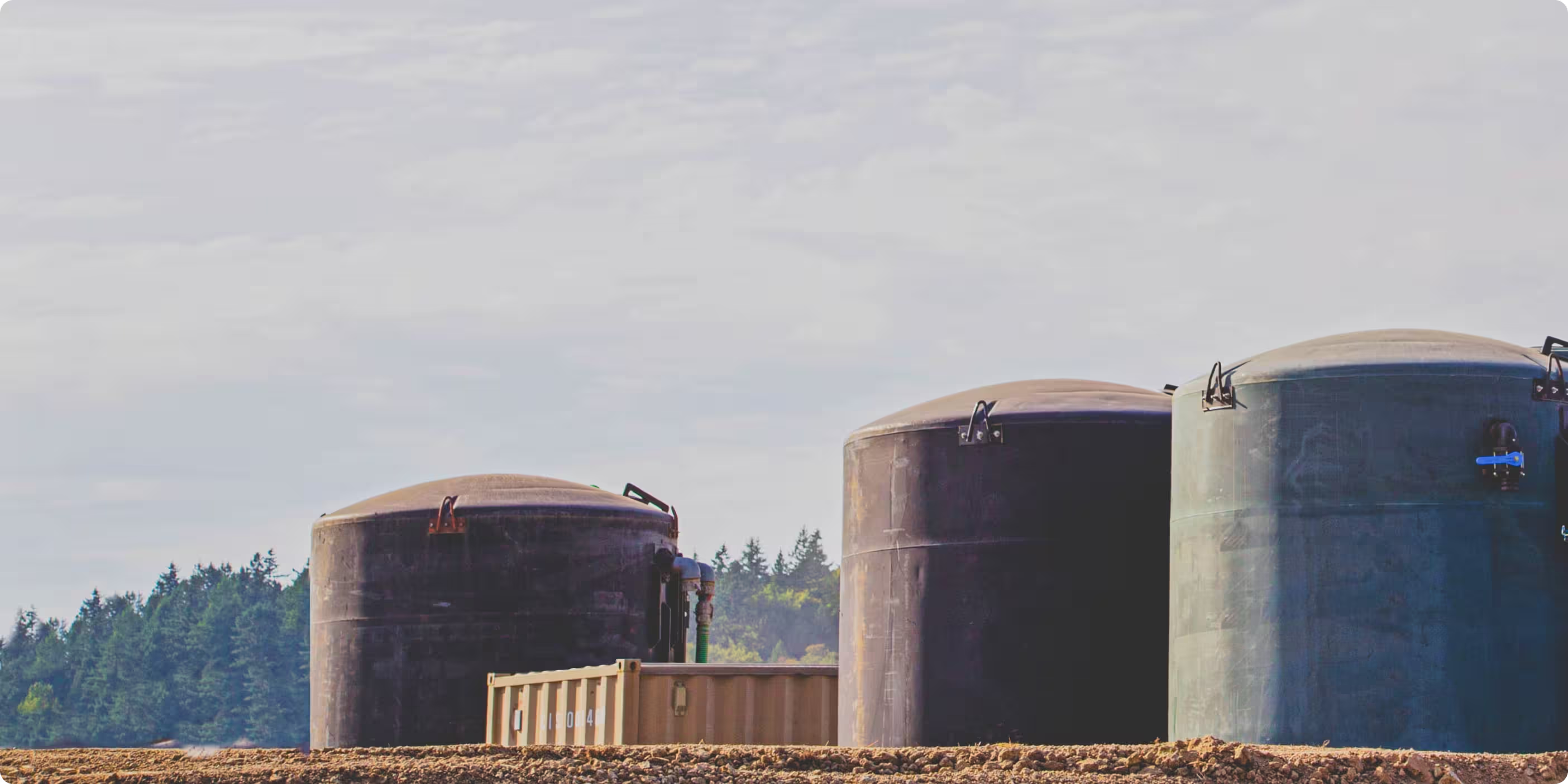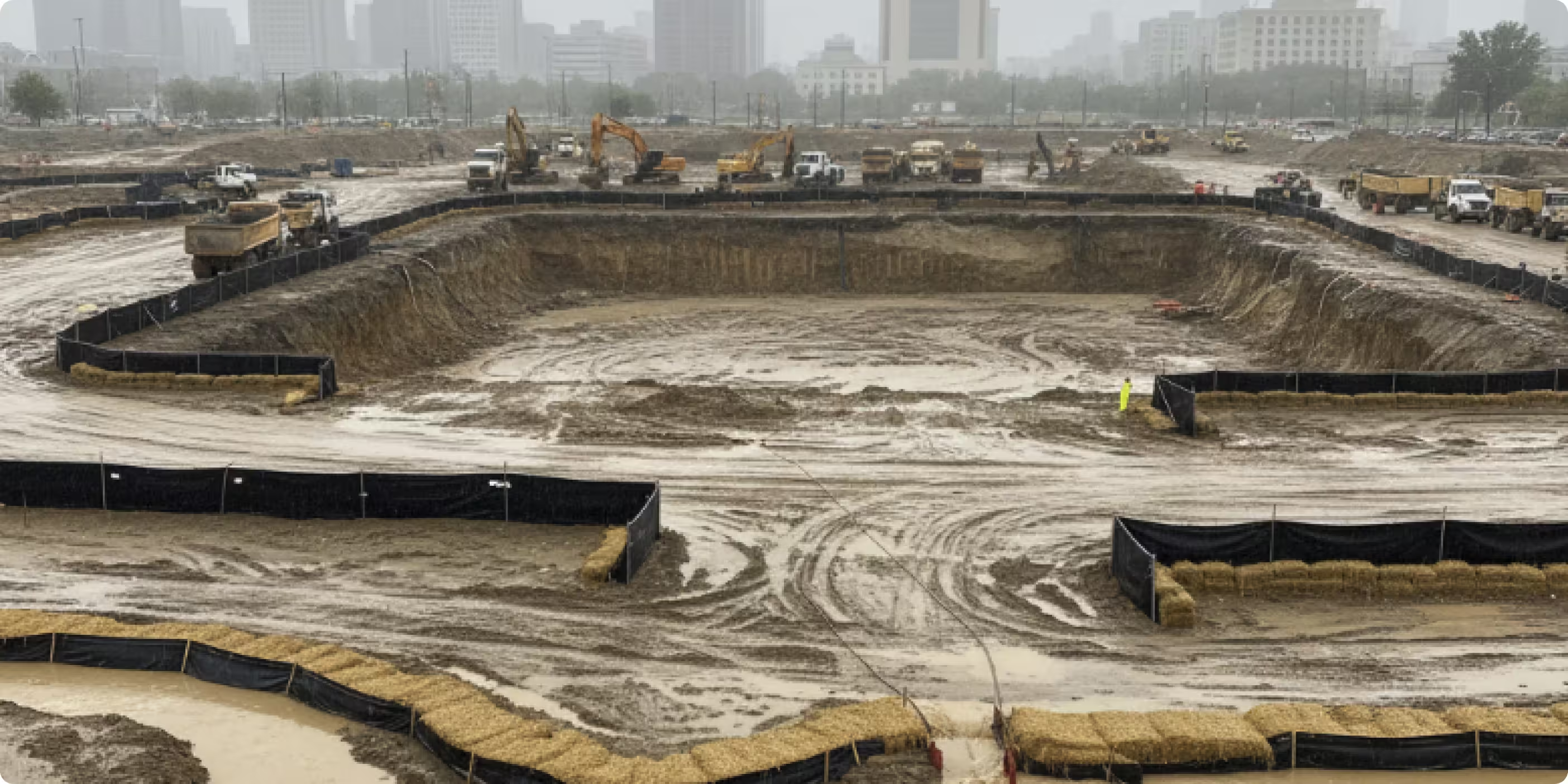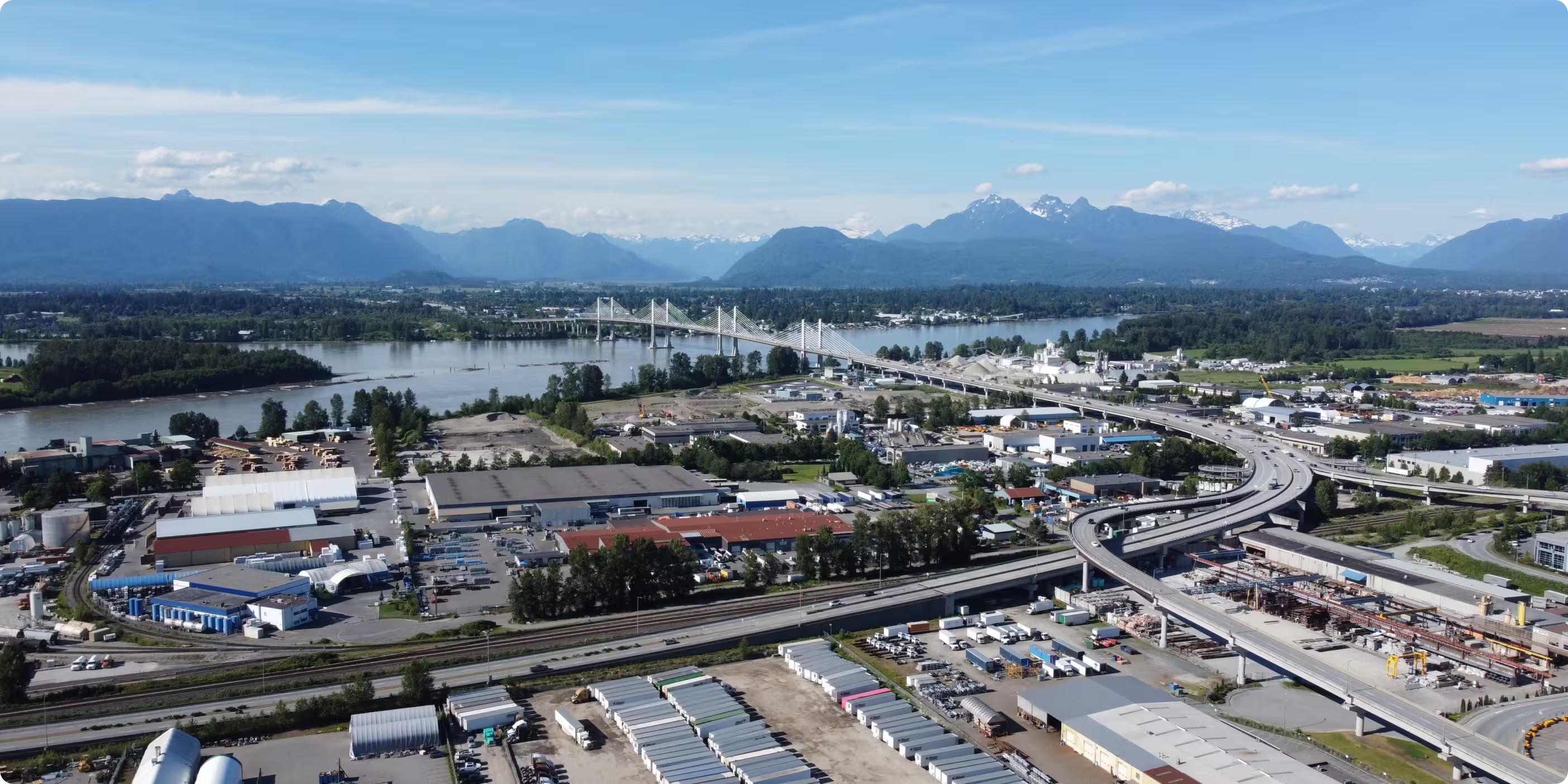
A dewatering system keeping a deep excavation dry and stable so construction can proceed safely.
Excavations in wet ground can turn into ponds quickly. A bit of water in the bottom of a footing is manageable; a rising water table pushing on shoring and softening subgrades is not. Dewatering in construction means temporarily lowering groundwater and managing surface water so crews can work safely, keep soils stable, and build on a dry, reliable base.
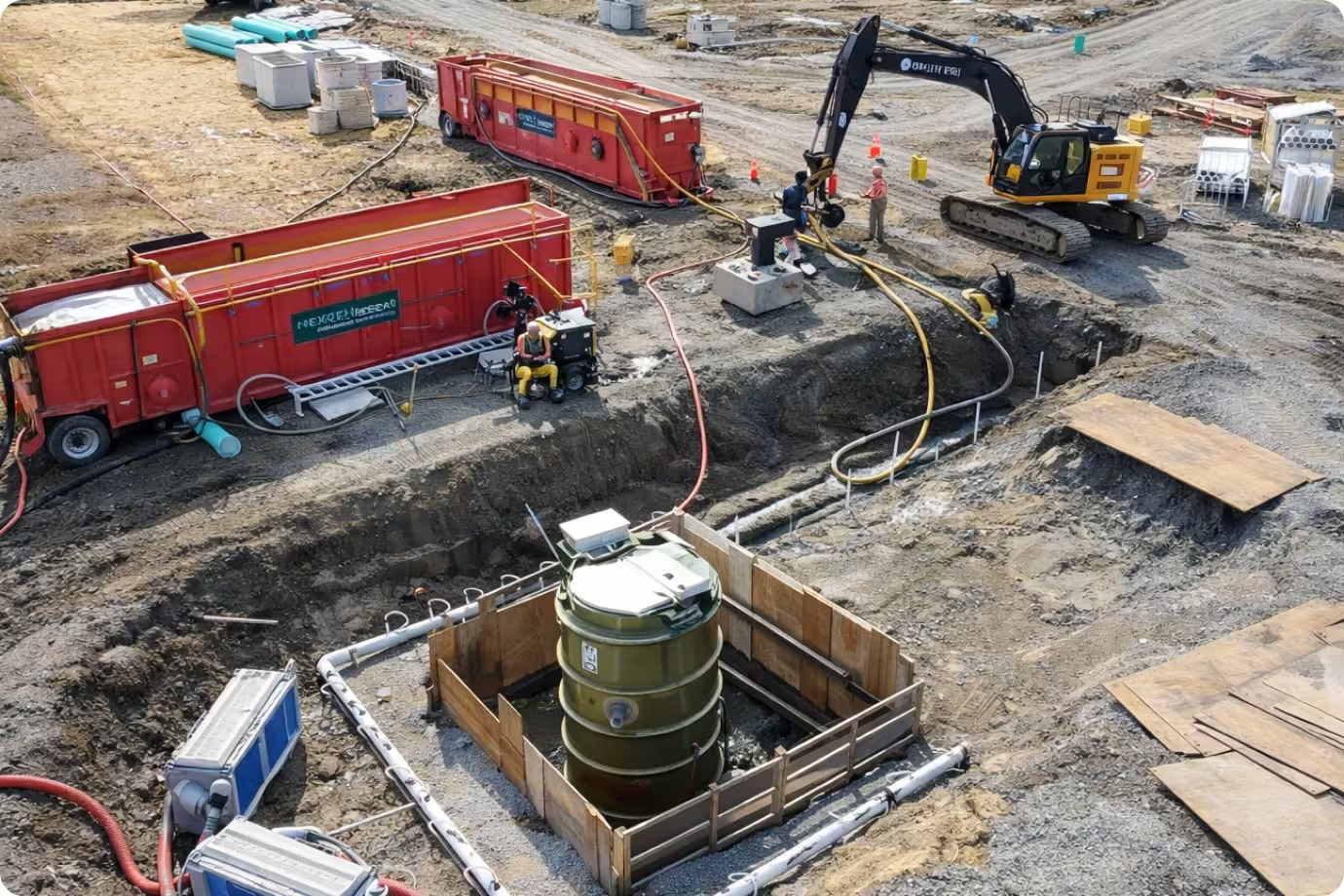
On Western Canada projects, that might mean controlling a high water table in the Lower Mainland, handling inflows in a downtown shoring pit, or managing contaminated groundwater on a brownfield site in Alberta. Done well, dewatering protects workers, nearby structures, and the environment while keeping schedules on track. This guide covers core methods and equipment, key regulations, and field-tested practices, plus how specialized partners like Nexgen Environmental’s dewatering services team fit into your project.
TL;DR
- Dewatering keeps excavations dry, stable, and safe while foundations, utilities, and structures are built.
- Common methods include sump pumping, wellpoint systems, deep wells, eductors, and bypass pumping for surface water.
- Western Canada projects must respect WorkSafeBC excavation rules and water licensing / discharge requirements in B.C. and Alberta.
- Good design, monitoring, and treatment keep you out of trouble with regulators, neighbours, and your own geotechnical engineer.
- Nexgen Environmental designs and installs complete Construction Dewatering Solutions, from pumps and tanks to treatment and reporting.
Table of contents
- What is dewatering in construction?
- Why dewatering matters on Western Canada job sites
- Common dewatering methods
- Key dewatering equipment on site
- Best practices for safe, compliant dewatering
- Example scenario: deep excavation dewatering in Metro Vancouver
- How to choose a dewatering partner
- When to bring in Nexgen Environmental
- Construction dewatering FAQ
- Key takeaways
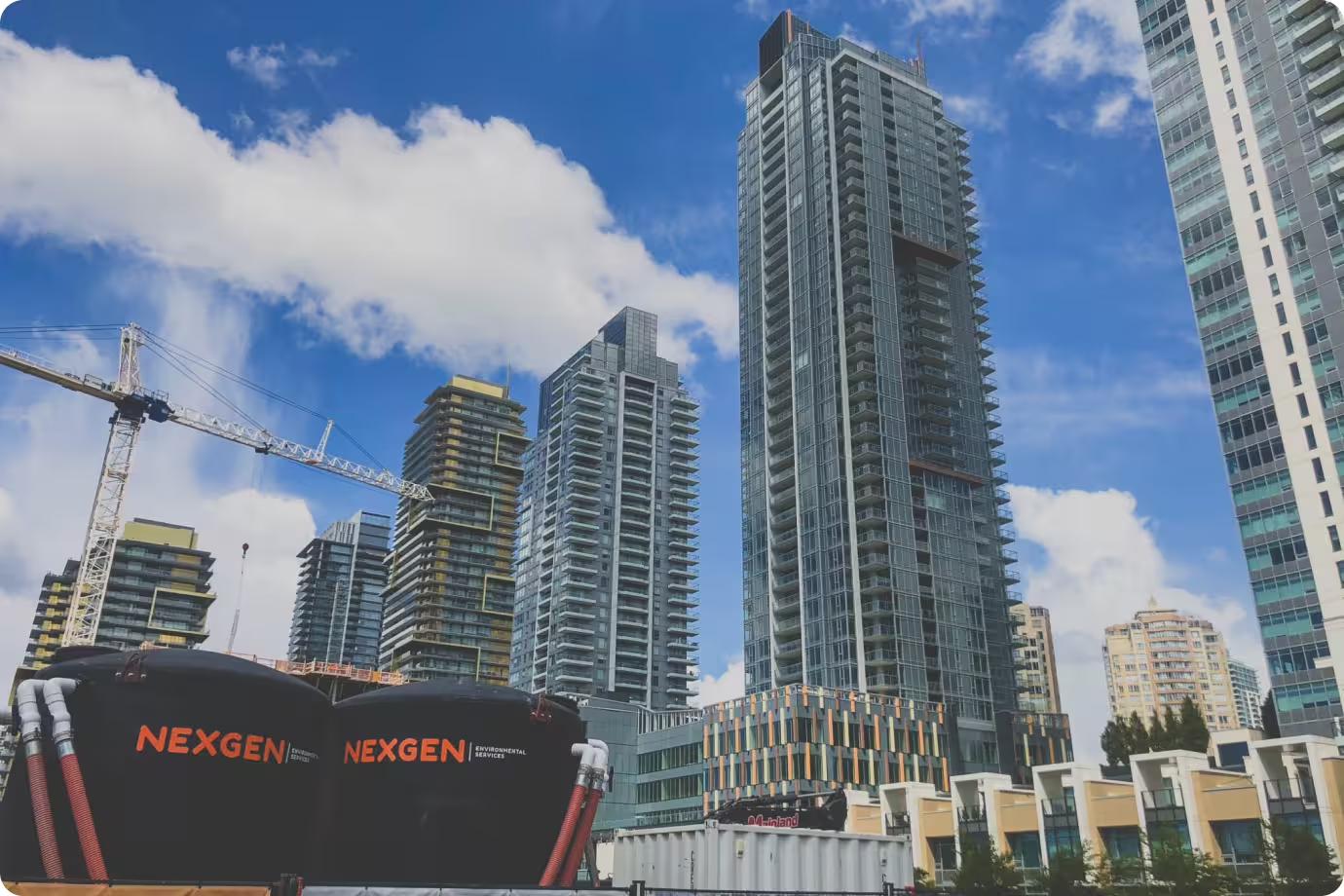
What is dewatering in construction?
Put simply, dewatering is the temporary removal or control of groundwater and surface water so construction work can proceed in dry, stable conditions. That might mean:
- Lowering the water table around a deep excavation for an underground parkade.
- Pumping out a utility trench that keeps seeping from a nearby creek or aquifer.
- Managing stormwater so it doesn’t erode slopes or wash sediment into catch basins.
A wellpoint dewatering system surrounding an excavation to lower the groundwater table uniformly.
On paper, this sounds straightforward: install pumps, move water, job done. In practice, every site is different. Soil type, groundwater chemistry, nearby foundations, utilities, and environmental receivers all influence which Construction Dewatering Solutions will work and what permits you need.
In B.C., for example, construction water takings and discharges are governed under the Water Sustainability Act and related regulations, and the Province has released a dedicated construction dewatering operational policy to set expectations for licensing and environmental protection (B.C. construction dewatering policy). Municipalities such as the City of Vancouver also regulate how contaminated groundwater is discharged to sanitary sewers through wastewater discharge permits (Vancouver discharge permit).
Why dewatering matters on Western Canada job sites
Good dewatering affects far more than schedule. It is central to worker safety, excavation stability, protection of neighbouring structures, and environmental compliance.
Worker safety and excavation stability
WorkSafeBC regulations require that water does not build up in excavations where it could weaken sidewalls or endanger workers (WorkSafeBC excavation rules). A designed dewatering system relieves hydrostatic pressure, controls inflows during storms, and reduces the risk of boils, sloughing, and sudden ground movement.
Neighbouring structures and settlement
Uncontrolled pumping can draw down groundwater beneath adjacent buildings, streets, or utilities, leading to settlement and claims. Geotechnical and environmental professionals typically model expected drawdown and specify limits; a field team that understands those requirements and adjusts the system day-to-day is critical.
Environmental compliance
Discharging turbid or contaminated water directly to storm or surface water can breach permits and trigger enforcement. Provincial and federal guidelines under the CCME framework set expectations for suspended solids, metals, hydrocarbons, and other parameters before water is released (CCME water quality guidance). Municipal criteria for construction dewatering in regions like Metro Vancouver typically limit total suspended solids to the order of tens of mg/L and specify acceptable pH ranges; exact values are permit-specific, so you need real treatment and monitoring, not just a ditch and a silt fence, to stay compliant. Nexgen’s contaminated treatment systems are designed around those limits.
Common dewatering methods
No single method suits every project. Here are the core approaches contractors see most often in Metro Vancouver and Alberta.
1. Sump pumping
The simplest method: cut sumps in low points, let water collect, and pump it out with portable pumps. Sump pumping can work for shallow excavations in relatively tight soils where inflows are modest and stability isn’t a concern.
Limitations show up quickly: water paths can erode, fines can migrate, and crews can spend time dragging discharge hoses around the site. With the right pump rentals and hose layouts, though, it can still work for short-duration jobs with modest inflows.
2. Wellpoint systems
Wellpoints are small-diameter wells installed in a ring or line around an excavation. A header pipe connects them to a vacuum pump that lowers the water table uniformly. This method suits:
- Shallow to medium-depth excavations.
- Sandy or silty soils with moderate permeability.
- Utility trenches, shoring pits, and tank excavations.
Nexgen’s wellpoint systems are often combined with sediment control and treatment units so water leaves the site clean, not cloudy.
3. Deep wells
Where excavations are deeper or aquifers are more transmissive, deep wells with submersible pumps are spaced around the perimeter and pumped continuously to maintain drawdown. They are common on high-rise parkades, infrastructure shafts, and energy or industrial projects, and can move high volumes of water with relatively few wells when they are carefully designed and monitored.
4. Eductor (educator) systems
Where soils have low permeability or excavation geometry is tight, eductor systems use high-pressure recirculated water to create a vacuum at each well, pulling groundwater into the system. They’re more specialized, but they shine where conventional pumping struggles.
5. Bypass pumping and surface water control
Groundwater isn’t the only water on site. Storm events, upstream culverts, or municipal mains can overwhelm a work area. Bypass pumping systems temporarily reroute flows around the work zone, keeping assets dry while tie-ins, repairs, or crossings are built.
Nexgen designs and installs bypass pumping systems that integrate with erosion and sediment control plans, so you’re not trading flooding risk for muddy discharges.
Nexgen’s Dewatering Method Selector
Use this quick matrix as a starting point when you’re scoping dewatering options. Final designs should always be confirmed by your geotechnical engineer and dewatering specialist.
Key dewatering equipment on site
Behind every method is a mix of pumps, tanks, controls, and treatment gear. Knowing the basics helps you sanity-check a design and rental quote.
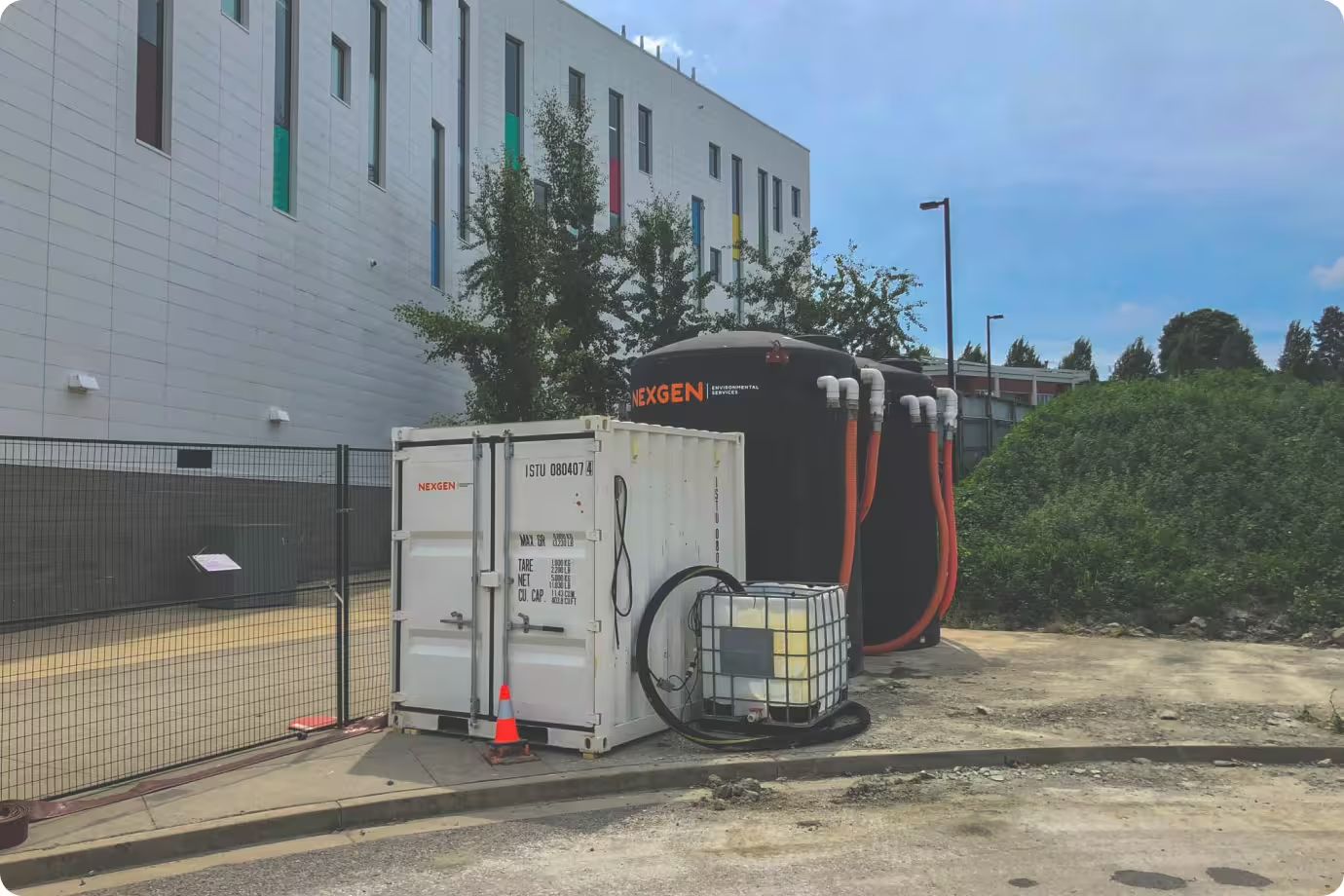
Typical dewatering in construction setup with skid-mounted pumps, discharge hoses, and storage tanks.
Pumps and power
- Centrifugal pumps for high-volume, lower-head duties like sump and bypass applications.
- Vacuum-assisted pumps to pull water and air from wellpoints and keep suction lines prime.
- Submersible pumps for deep wells and tight pits where suction lift is a limiting factor.
- Diesel, electric, or hybrid power selected based on noise limits, emissions rules, and available service.
Storage and treatment
- Frac tanks and poly tanks to buffer flow rates, equalize water quality, and batch-treat when needed.
- Sand media filters and bag filters to remove sediment and protect downstream receivers.
- Chemical treatment systems using polymers, coagulants, flocculants, and resins to capture fine particles and metals.
Nexgen’s dewatering equipment rentals bundle these components into complete systems.
Monitoring and controls
On larger jobs, level sensors, flow meters, turbidity meters, and sometimes remote telemetry help track performance and prove compliance. Formal discharge monitoring reports (regulatory DMR guidance) and automated logs are increasingly expected on higher-risk discharges.
Best practices for safe, compliant dewatering
From Western Canada dewatering projects, a few patterns stand out. Contractors who stay out of trouble usually do the following.
1. Get geotechnical and hydrogeological input early
- Confirm soil stratigraphy, expected inflows, and target drawdown levels.
- Understand how groundwater connects to nearby structures, utilities, and surface water.
- Have your dewatering contractor coordinate directly with the geotechnical engineer where possible.
2. Treat dewatering as an engineered system, not just “pumps in a hole”
WorkSafeBC requires written instructions from a qualified professional for deep or higher-risk excavations, especially where hydrostatic pressure or vibration may cause hazardous ground movement (WorkSafeBC Part 20 guidelines). That engineering only pays off if the installed system actually matches the design and is operated as intended.
3. Plan for water quality, not just quantity
Regulatory focus is shifting from “how much water” to “what’s in the water.” If your site has historical contamination, nearby fueling operations, or suspect fill, assume you may need treatment. Municipal and provincial permits increasingly reference specific water quality guidelines and numeric criteria rather than generic “clear” discharge language.
4. Tie dewatering into erosion and sediment control
- Control outfall velocities to prevent scouring at ditches or riprap.
- Use energy dissipation and sediment traps where water returns to creeks or storm systems.
- Integrate dewatering discharge points into the project’s ESC drawings.
Nexgen’s sediment and erosion control programs are developed alongside dewatering plans so one doesn’t undermine the other.
5. Document, monitor, and communicate
- Keep logs of pump runtimes, flows, water levels, and treatment chemical dosing.
- Record sampling data and lab results against permit limits.
- Share trends with the owner, consultant team, and regulator when required.
Beyond protecting people and the environment, that documentation protects the project’s bottom line. Enforcement actions for turbid construction and pipeline discharges have carried significant financial penalties, not counting schedule impacts when regulators order work to stop.
“The best dewatering jobs feel boring on site. Pumps run, water stays clear, pits stay dry, and neighbours forget you’re even there.”

Example scenario: deep excavation dewatering in Metro Vancouver
Consider a Metro Vancouver contractor building a four-level underground parkade, excavating to roughly 11 m below grade in sandy, high-groundwater conditions, with nearby utilities and buildings sensitive to settlement. Combined groundwater inflow during wet-weather peaks could reach several hundred gallons per minute, and the team may need to discharge to a municipal storm connection under a strict water quality permit.
A deep shored excavation with perimeter wells and pumps illustrating dewatering in construction for a multi-level parkade.
In this scenario, a contractor might install a perimeter wellpoint system tied into vacuum-assisted pumps, feeding a temporary treatment train of equalization tanks, chemical dosing, and filtration before discharge. By sizing the system for peak flows, monitoring turbidity and levels, and sampling against permit criteria, the project team can keep the excavation dry, maintain shoring performance within design limits, and keep discharges within permit limits through a wet season.
How to choose a dewatering partner
Not every pump rental yard or vac truck company can design a safe, compliant dewatering system. When you’re shortlisting partners, ask:
- Experience: Do they have a track record on projects similar in depth, soil conditions, and regulatory complexity?
- Design capability: Can they work from geotechnical and hydrogeological reports to size systems properly?
- Treatment expertise: Do they understand polymers, pH control, metals removal, and how those relate to Canadian water guidelines?
- Regulatory fluency: Are they comfortable with provincial water licensing frameworks, WorkSafeBC rules, and municipal sewer bylaws?
- Field responsiveness: Will they show up when flows spike during a storm at 2 a.m.?
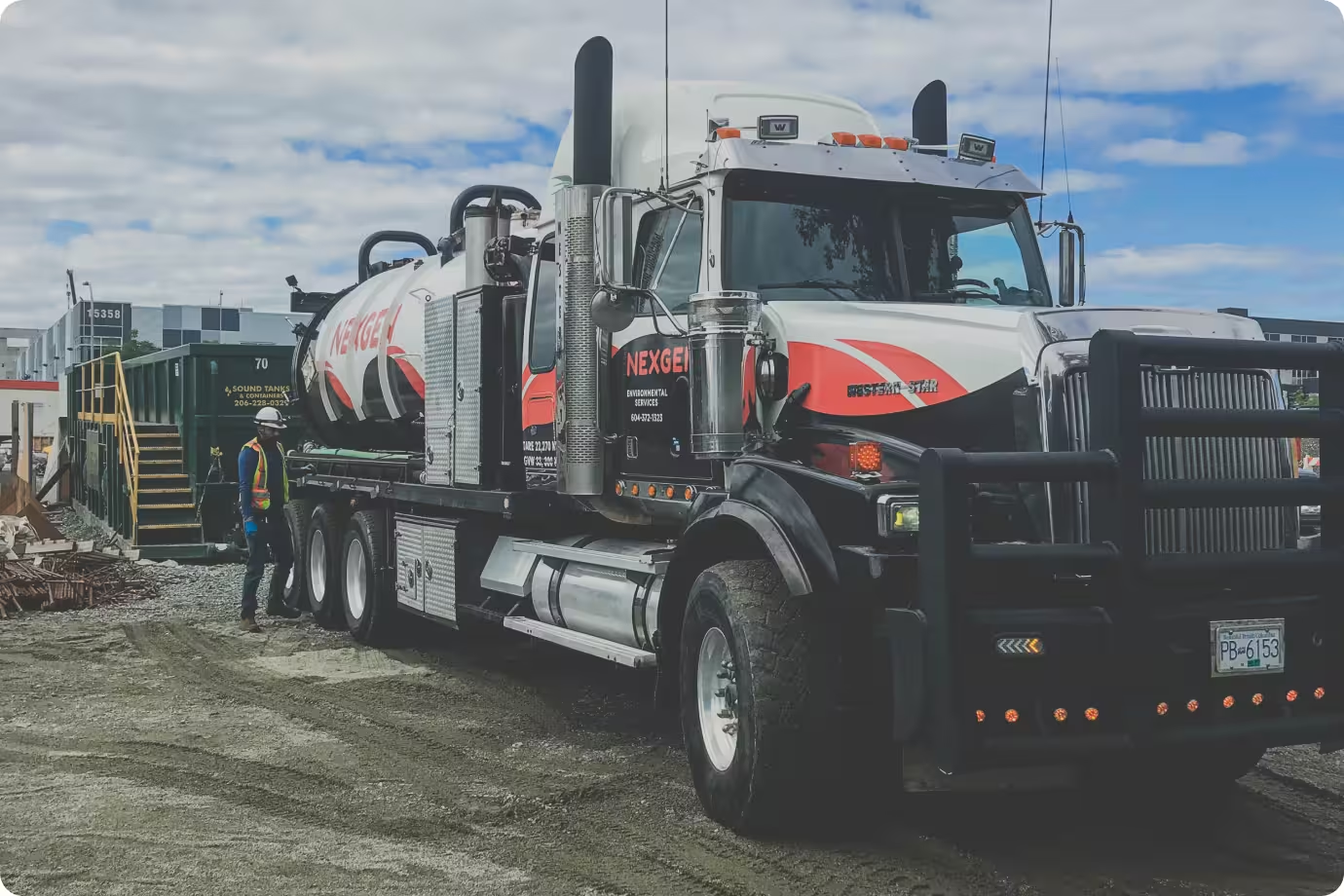
Nexgen focuses on dewatering and fluid management, so one team handles wellpoint or deep well design, system installation, treatment skids, and ongoing maintenance.
When to bring in Nexgen Environmental
If you recognize your project in any of these scenarios, it’s time to talk to a specialist early:
- Deep excavations in urban areas where settlement and shoring performance are high-risk.
- Sites with known or suspected contamination where groundwater will reach sewers or surface water.
- Projects with tight schedules that can’t afford delays from retrofitted dewatering or permit issues.
- Municipal, industrial, or energy jobs where discharge volumes and regulatory scrutiny are both high.
Nexgen’s teams work across Metro Vancouver and Alberta, combining wellpoint systems, deep wells, bypass pumping, water treatment, and equipment rentals into complete packages so contractors can focus on building while Nexgen manages the water.
Ready to talk through an upcoming project? Request a Free Consultation and we’ll review drawings, reports, and schedules with you to propose a practical, compliant dewatering plan.
Construction dewatering FAQ
When does a construction project need dewatering?
You need a dewatering plan any time groundwater or surface water can interfere with safe excavation, shoring performance, or work quality. Common triggers include excavations that extend below the groundwater table, deep utility trenches that intercept seepage, tie-ins near creeks or culverts, and large slabs or parkades that must be poured on a dry, stable base. Even short excavations can require dewatering if soils are loose, adjacent structures are sensitive, or regulators flag water quality concerns.
What permits do I need for dewatering in B.C. or Alberta?
In B.C., construction dewatering is regulated under the Water Sustainability Act and the Water Sustainability Regulation. As of 2026, certain low- and mid-volume projects below 1,000 m³/day can often proceed under an exemption if they meet specific conditions, while higher-volume or higher-risk work still requires a licence or other authorization. Municipalities such as the City of Vancouver may also require separate wastewater discharge permits for contaminated groundwater heading to sanitary or storm systems.
In Alberta, most significant short-term construction dewatering that diverts groundwater or surface water is authorized through a Temporary Diversion Licence (TDL) under the provincial Water Act, applied for through provincial digital systems or, for energy projects, through the Alberta Energy Regulator. Local bylaws and approvals can also apply to where and how you discharge treated water. A qualified environmental or dewatering specialist can help you map out the exact permits for your project.
Key takeaways
- Dewatering is about more than dry feet; it supports safety, stability, and environmental compliance.
- Methods range from basic sump pumps to engineered wellpoint, deep well, and eductor systems.
- Regulations in B.C. and Alberta focus on both groundwater withdrawal and discharge quality.
- Strong design, monitoring, and documentation keep regulators, neighbours, and project teams onside.
- Specialists like Nexgen Environmental turn groundwater and wastewater from a project risk into a managed process.